
Reviewed · ELEPHANT EXPERIENCES
Day Trip to an Elephant Conservation and Care Center near Agra
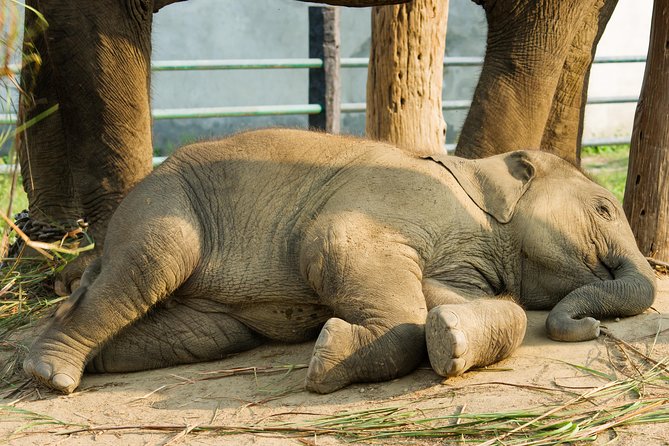
Agra’s most moving wildlife experience may be away from the Taj Mahal, at the Elephant Conservation and Care Centre run by Wildlife SOS. Here, you watch rescued elephants roam large enclosures and learn how animals once forced into harsh labor are given medical care, space, and a safer life.
I like the private round-trip transport, which keeps this short outing simple after a busy day of sightseeing. I also like the fact that the visit supports rescue work rather than elephant riding or forced performances. The main drawback is the price, $112 per person, which is high for a three-to-four-hour activity and becomes a serious consideration for solo visitors.
In This Review
- Key points to know before you go
- Why this elephant visit matters in Agra
- Leaving Agra at 9:00 in a private car
- Entering Wildlife SOS’s elephant care centre
- What you will actually see during the two-hour visit
- The ethical difference between rescue and elephant entertainment
- Is $112 per person a fair price?
- Who will enjoy this most
- Practical details that can affect your morning
- How this fits into an Agra itinerary
- Should you book the Elephant Conservation and Care Centre?
- FAQ
- Where is the Elephant Conservation and Care Centre?
- What time does the tour start?
- How long does the activity last?
- Is transportation included?
- Is the tour private?
- Is an English-speaking guide included?
- How many elephants live at the centre?
- What happens if bad weather cancels the tour?
Key points to know before you go
- About 20 rescued elephants live at the centre, including 12 females and 8 males.
- The visit focuses on rescue and care, not elephant riding, touching, or staged shows.
- Private transport from your Agra hotel is included, useful in a city where arranging a short out-of-town ride can take time.
- An English-speaking guide explains the centre’s work and the difficult conditions many elephants escaped.
- The main visit lasts about two hours, with the full experience taking roughly three to four hours.
- The $112 price includes transport, guiding, entry, mineral water, and tax, with group discounts available.
Why this elephant visit matters in Agra
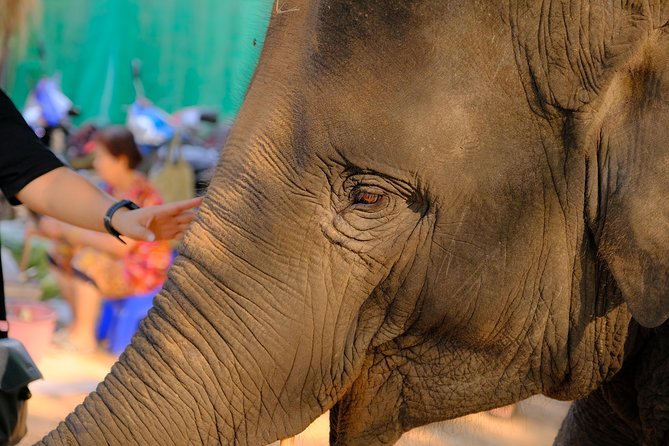
Agra is best known for grand Mughal buildings, but this centre offers a different side of the region. The Elephant Conservation and Care Centre was created in 2010 by Wildlife SOS in cooperation with the state government. Its purpose is to rescue elephants that suffered from poor treatment and provide long-term care.
That mission gives the visit more weight than a standard wildlife stop. You are not going to watch animals perform tricks or offer rides. You are going to see elephants living under care while an English-speaking guide explains why rescue was needed in the first place.
The background can be hard to hear. Some elephants arrived after being forced to perform heavy work under harsh conditions, without proper safety or care. The visit does not hide the fact that elephants used for labor or public entertainment can suffer badly.
At the same time, you should keep your expectations realistic. This is a care centre, not a safari park. You may see elephants roaming freely in their enclosures, but there is no promise of a dramatic animal encounter or constant close-up viewing. The value lies in learning about the animals and supporting a different model of elephant tourism.
More Elephant Experiences in Agra
- From Agra Private Transfers to Wildlife SOS Elephant Conservation
★ 5.0 · 49 reviews - From Agra: Visit to Wildlife SOS Elephant Conservation Trip
★ 4.8 · 47 reviews - Delhi: Sunrise Taj Mahal & Elephant SOS Tour with Transfers
★ 4.6 · 15 reviews
Leaving Agra at 9:00 in a private car
The experience begins with pickup in Agra at 9:00 in the morning. Your transport is private, meaning only you and your own party share the vehicle and guide. That matters if you want a quieter outing or are traveling with family and do not want to wait for a large group.
A private ride also makes the timing easier. The centre is outside the usual cluster of Agra monuments, so having transport arranged saves you from finding a driver for a relatively short but specialized trip. You can leave your hotel, visit the centre, and return to the same meeting point without piecing together local transport.
The full activity is listed at about three to four hours, with around two hours at the centre itself. That leaves part of your day free for the Taj Mahal, Agra Fort, or another local visit. If you are planning several monuments on the same morning, however, keep the 9:00 pickup fixed in your schedule and allow room for the return drive.
Mineral water is included. No meal is listed, so eat before you leave if you normally need breakfast or a snack during a morning outing.
Entering Wildlife SOS’s elephant care centre
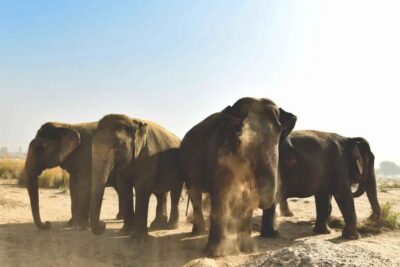
The centre currently houses around 20 elephants, made up of 12 females and eight males. That number is small enough for the visit to feel focused, while large enough that you may see different animals at different stages of recovery.
The enclosures are described as large and designed to resemble natural environments. You can watch some of the elephants moving around freely rather than standing in a cramped stall. That difference is central to the experience. The setting lets you think about what an elephant needs after years of work, confinement, or neglect.
Your guide provides the key context. You learn about Wildlife SOS and its rescue mission, as well as the kinds of conditions that led these elephants to the centre. The guide speaks English, which makes this a practical choice for international visitors who want more than a quick look at animals behind a fence.
The centre’s work also helps you understand why animal tourism choices matter. An elephant ride may look harmless in a holiday advertisement, but the path to training and controlling such a large animal can involve severe treatment. This visit gives you a chance to support care and rehabilitation without buying into that system.
What you will actually see during the two-hour visit
The main visit lasts about two hours. You can expect time to observe the elephants in their enclosures and hear staff explain their care. The animals may be walking, resting, or simply moving through their space. That rhythm is more natural than a timed performance, but it also means the experience asks you to watch patiently.
You might see some elephants roaming freely within the centre’s grounds. The available details do not promise feeding, bathing, touching, or other hands-on activities. That is a positive point for anyone who wants an ethical wildlife visit, but it may disappoint you if you expect personal contact.
I would treat the visit as an educational stop first and an animal-viewing stop second. The most memorable part may be the contrast between the elephants’ former lives and their current care. You see large animals that were once used for hard work now given room and protection.
The emotional tone can be serious. The stories of mistreatment are upsetting, particularly if you care strongly about animal welfare. Yet the centre also offers a hopeful part to the story: rescued elephants are not simply removed from danger and forgotten. They are housed, monitored, and cared for in a dedicated setting.
A completely different kind of day out from Agra:
- Agra: Skip-the-Line Taj Mahal & Agra Fort Private Tour
★ 4.9 · 1,546 reviews - Agra: Taj Mahal Express Entry Tickets
★ 4.8 · 684 reviews - Agra: Taj Mahal and Mausoleum Guided Tour with Skip-the-Line
★ 4.8 · 631 reviews - Private Guided Taj Mahal Tour with Skip The Line Entry Ticket
★ 5.0 · 562 reviews
The ethical difference between rescue and elephant entertainment
The strongest reason to choose this activity is its clear break from elephant riding and touching-based tourism. The experience is built around rescue, observation, and education. That makes it a better match for you if you want your money to support animal welfare rather than direct contact.
The difference is worth spelling out. A conservation centre does not automatically mean every activity is perfect, so you should still listen to the guide and follow the centre’s rules. But the information provided here presents the elephants as rescued animals living under care, not performers expected to entertain visitors.
The centre was created with government cooperation, giving the project an official local framework. Wildlife SOS manages the rescue effort, and the facility provides a place where elephants from harsh conditions can live with more safety.
A visit cannot undo the treatment these animals suffered. It can, however, help fund a model that values recovery over spectacle. That is a meaningful reason to include it in an Agra itinerary, especially if you are already looking for ways to make responsible choices around wildlife.
Is $112 per person a fair price?
At $112 per person, this is not a budget side trip. The price covers private transport, an English-speaking guide, admission to the elephant rescue centre, mineral water, and tax. Group discounts are available, which may improve the value for families or small groups.
For one person, the cost is harder to justify unless convenience and the conservation purpose matter a great deal to you. You are paying not only for roughly two hours at the centre, but also for a private vehicle and a guide who handles the logistics from Agra.
For a couple or small private party, the value becomes clearer. You avoid arranging transport yourself, and the visit can fit neatly into a half-day. If you hired a separate car and driver, found the centre independently, and paid entry on your own, the total might still add up, but no separate transport price is provided here, so I would not assume savings.
The best value comes when you care about three things at once: ethical animal tourism, a private outing, and a simple hotel pickup. If your only goal is to see an elephant quickly, $112 is a lot. If you want the conservation story and a supported rescue project, the price is easier to defend.
Who will enjoy this most
I would recommend this experience to families, couples, and small groups who want a break from monuments. Children may find the elephants fascinating, while the rescue stories provide a useful lesson about treating animals responsibly. The private format also helps families avoid joining a large, fixed group.
It suits animal lovers who have already decided against elephant rides and close-contact attractions. You can see rescued elephants and learn about their lives without the activity being built around a performance.
It also works well for visitors with limited time in Agra. The 9:00 start and three-to-four-hour schedule leave much of the day open. You can combine it with other sightseeing, though you should not try to squeeze too many fixed-time stops around it.
You may want to skip it if you need constant action, a safari-style setting, or a hands-on encounter. The elephants are not there to perform on command. You are visiting a care facility, so patience and respect are part of the deal.
Practical details that can affect your morning
Confirmation is provided when you book. Pickup is offered from Agra, and the activity ends back at the meeting point, which is useful if you want a clean return to your hotel area.
The activity is private, but the price is listed per person. Ask about the available group discount if you are booking for several people. Since the price and cancellation terms are strict, check your date carefully before paying.
The experience is non-refundable and cannot be changed for any reason. If poor weather forces the centre to cancel, you are offered another date or a full refund. Good weather is required, so a clear morning is the safer choice when planning.
Most people can participate, and the meeting information notes access near public transportation. Still, the tour is arranged around private hotel pickup, so you may not need to use public transport at all.
No guide name is supplied, so you should not expect to select a particular escort. What is confirmed is an English-speaking guide who explains the centre and its mission.
How this fits into an Agra itinerary
A morning at the elephant centre gives your Agra visit a useful change of pace. Monument visits can become a blur of marble, red sandstone, and hurried photographs. Here, you spend time watching living animals and thinking about how tourism affects them.
You can schedule the centre before or after other Agra sights, but the fixed 9:00 start makes it best for an organized morning. The return to Agra leaves time for a monument later, subject to your transport timing and the rest of your plans.
I would not book this as a replacement for Agra’s major historic sites. It is an addition for a different purpose. The centre offers a conservation lesson and a chance to support rescued elephants, while the Taj Mahal and Agra Fort explain the city’s architectural and political past.
If you have only one short morning in Agra, compare your priorities. If the Taj Mahal is still unchecked, that should likely come first. If you have already seen the major sights or want an experience with a social and environmental purpose, this centre adds something your monument schedule cannot.
Should you book the Elephant Conservation and Care Centre?
Book it if you want to see rescued elephants in spacious enclosures, hear the story behind their rehabilitation, and avoid riding or touching-based animal tourism. The private pickup, English-speaking guide, and modest time commitment make it easy to add to an Agra stay.
Think twice if $112 feels too high for a short visit or if you expect feeding, bathing, or close contact. The centre offers observation and education, not a staged animal encounter.
For me, the strongest case is ethical rather than photographic. You may leave with fewer dramatic pictures than you would from a performance, but you gain a clearer understanding of what responsible elephant care can look like. For an animal-focused half-day in Agra, that is a fair trade.
FAQ
Where is the Elephant Conservation and Care Centre?
The centre is near Agra, in Uttar Pradesh, India. The tour includes transportation from Agra.
What time does the tour start?
The scheduled start time is 9:00 am.
How long does the activity last?
The full experience takes approximately three to four hours. The visit at the elephant centre lasts about two hours.
Is transportation included?
Yes. Private round-trip transportation is included, with pickup offered from your Agra hotel.
Is the tour private?
Yes. Only you and your party participate in the private activity.
Is an English-speaking guide included?
Yes. An English-speaking guide is included.
How many elephants live at the centre?
The centre currently houses around 20 elephants, including 12 females and eight males.
What happens if bad weather cancels the tour?
The experience requires good weather. If it is canceled because of poor weather, you are offered a different date or a full refund.
More 1-Day Tours in Agra
- From Jaipur: Private Taj Mahal & Agra Day Trip with 5* Lunch
★ 4.9 · 161 reviews - From Delhi: Taj Mahal & Agra Private Day Trip with 5* Lunch
★ 4.8 · 41 reviews - Jaipur – Agra Day Trip
★ 5.0 · 38 reviews - From Jaipur: Taj Mahal, Agra Fort, Baby Taj Day Trip by Car
★ 4.8 · 35 reviews
Recently added around Agra
- Taj Mahal Entrance Ticket★ 5.0 · 3 reviews
- Agra’s Hidden Gems & Flavors on a Thrilling Tuk-Tuk Tour 3-4 Hrs★ 5.0 · 3 reviews
- Spiritual Private Tour of Vrindavan and Mathura★ 3.0 · 3 reviews
- Agra: Taj Mahal and Agra Fort Private Guided Half-Day Trip★ 5.0 · 3 reviews
- Shop Agra Like a Local: Unique Indian Handicrafts Tour★ 5.0 · 3 reviews
- From Jaipur: Taj Mahal Guided and Agra Tour By Car★ 5.0 · 3 reviews
- Private Transfers Jaipur To Agra Drop with sikri & stepwell★ 5.0 · 3 reviews
- Full day Taj Mahal, Agra Fort, Fatehpur Sikri By Car From Agra★ 5.0 · 3 reviews
Elephant Experiences, compared.
From Agra Private Transfers to Wildlife SOS Elephant Conservation
Read our review →
Elephant Activities Feed, Paint & Ride with Pickup
Read our review →

Sunrise Taj Mahal & Elephant SOS Tour with Transfers
Read our review →Browse the lists this tour appears in