
Reviewed · ELEPHANT EXPERIENCES
From Agra: SOS Elephant Conservation & Bear Rescue Day Trip
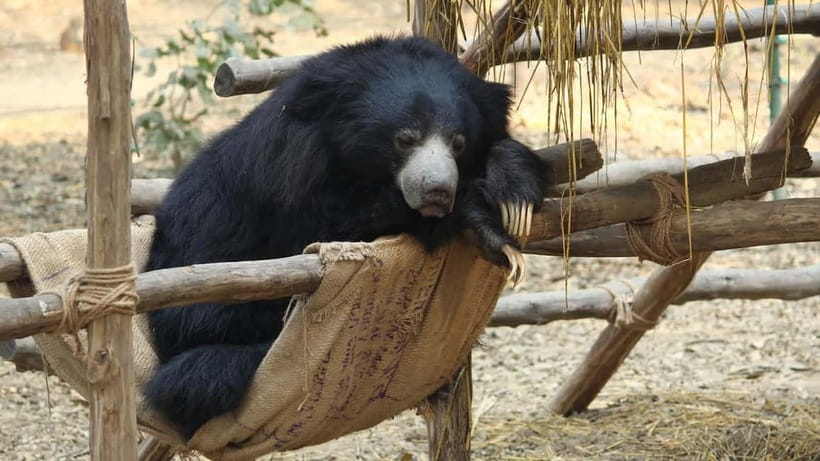
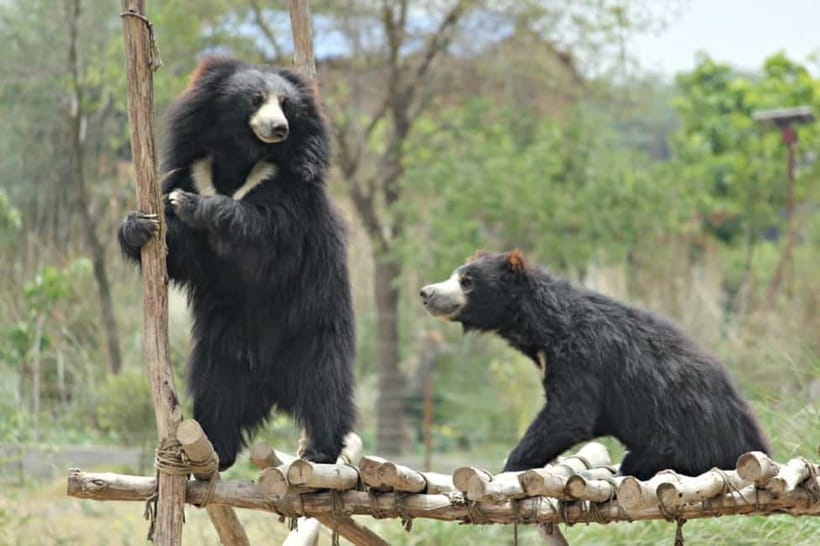
The most moving part of this Agra day trip is seeing rescued elephants and sloth bears as animals with difficult pasts, not as props for tourist entertainment. These creatures came from temples, circuses, villages, and working lives, and the centers now focus on care and rehabilitation rather than performances.
I like the private air-conditioned car and hotel pickup, which takes the strain out of reaching the centers. I also like the serious conservation message: you watch a documentary, hear about medical treatment, and see why riding elephants or supporting bear performances causes harm. The main drawback is that the $32 price does not include lunch, entry costs, or sanctuary donations, so your final spend will be higher.
In This Review
- Key points to know before you book
- Why this is a worthwhile change from Agra’s usual sights
- The ride from Agra with Sunny and Bobby
- Four and a half hours with rescued elephants
- The stories behind the sloth bear rescue work
- Lunch in Mathura is a pause, not a package meal
- What the $32 price really covers
- Practical rules that shape the visit
- The emotional side of the experience
- Who will enjoy this Agra day trip most
- Booking and timing advice
- Should you book the Wildlife SOS tour?
- FAQ
- Where does this tour begin and end?
- How long does the tour last?
- Is hotel pickup included?
- Is lunch included in the price?
- Are sanctuary donations and entry fees included?
- Can I feed the elephants or bears?
- Is the tour conducted in English?
- What should I bring?
Key points to know before you book
- Elephants are seen as rescued individuals: Learn how Wildlife SOS cares for elephants once used in temples, circuses, transport, and village work.
- The bear visit is at Keetham Lake: Your guided walk includes the flora and fauna around the Bear Rescue Center.
- Sunny is the main guide named in the experience: Previous bookings also identify Bobby as a patient driver and Vishan as an elephant-center guide.
- The day is built around education: A documentary explains rescue work and medical treatment before or during the sanctuary visits.
- The tour is private: Pickup and drop-off are available throughout Agra in an air-conditioned car.
- Budget for extra charges: Meals, personal expenses, park entry fees, and sanctuary donation fees are not included.
Why this is a worthwhile change from Agra’s usual sights
Agra is famous for the Taj Mahal and Agra Fort, but those monuments tell only part of the city’s story. This tour gives you a look at animal welfare work in Uttar Pradesh and asks you to think about the cost of old entertainment traditions.
The message can be uncomfortable. The elephants may have spent years carrying people, transporting goods, or working in temples. The sloth bears came from lives shaped by exploitation and poor treatment. You are not visiting a zoo or a performance venue. The purpose is rescue, medical care, and long-term protection.
That distinction matters. You will not be promised elephant rides, tricks, or close contact for a photo. The advertised activities include watching staff feed and bathe the animals, but the rules specifically forbid visitors from feeding them. Follow the center’s instructions, keep your distance, and treat the visit as an observation and learning experience.
I find that this makes the day more meaningful than a standard wildlife encounter. You are not simply looking at animals. You are learning what happened to them and what responsible care involves now.
More Elephant Experiences in Agra
- From Agra Private Transfers to Wildlife SOS Elephant Conservation
★ 5.0 · 49 reviews - From Agra: Visit to Wildlife SOS Elephant Conservation Trip
★ 4.8 · 47 reviews - Delhi: Sunrise Taj Mahal & Elephant SOS Tour with Transfers
★ 4.6 · 15 reviews
The ride from Agra with Sunny and Bobby
Pickup is available from hotels and several major Agra points, including Agra Airport, Agra Cantt Railway Station, the railway station parking area, Taj Mahal Metro Station, Agra Fort Metro Station, Captain Shubham Gupta Metro Station, and Agra itself. The same range of locations is available for the return journey.
Your transport is a private, air-conditioned car. That is useful in Agra, where heat, dust, and traffic can make a long road journey tiring. You also avoid the uncertainty of arranging separate transport to two different conservation centers.
Sunny is the named English-speaking guide for the tour. He has been praised for explaining the sanctuary work clearly and for helping visitors feel comfortable during the day. One unusual practical detail is that he helped a visitor with a metro ticket when traffic caused trouble. That suggests a guide who pays attention to the journey, not just the formal sightseeing stops.
Bobby is named as the driver and has been described as especially patient in Indian traffic. I would still allow flexibility in your schedule. The tour is listed as a full day, and road conditions can affect the timing even though the planned visits total about eight hours before driving time.
Four and a half hours with rescued elephants
The Elephant Conservation and Care Center is the longest stop, with about four and a half hours set aside for a visit, sightseeing, and wildlife viewing. That length is useful because the work here is not a quick photo stop.
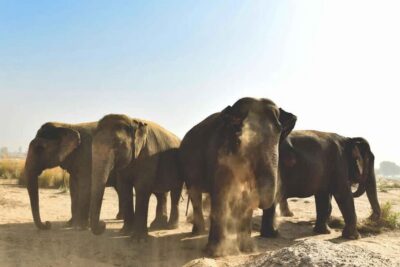
You can expect to hear how elephants were rescued from temples, circuses, villages, and working roles such as transport. The stories are often difficult. Elephants used for human labor may have suffered physical injuries, stress, isolation, or years of harsh handling. The center’s work is to provide care and rehabilitation after that period of captivity.
The visit also explains treatment. A documentary gives background on the rescue programs and medical care, helping you understand what you are seeing rather than simply looking at large animals in an enclosure. The individual sanctuary guide may add more detail. Vishan is the named guide associated with the elephant center, and he has been praised for explaining the animals’ lives and showing clear concern for their welfare.
You may see keepers feeding elephants and taking them for a walk. Bathing is also listed among the possible activities. Remember the important difference between watching care and taking part in it. Visitors are not permitted to feed the animals, and flash photography is not allowed. The animals’ routine comes first.
The four-and-a-half-hour allocation may feel long if you want a fast sightseeing day. For someone interested in animal welfare, it is the right kind of extra time. You can listen, watch the documentary, observe the keepers, and take in the scale of the work without rushing from one animal to the next.
The stories behind the sloth bear rescue work
The second major stop is Keetham Bear Park, where you spend about two hours on a guided visit and walk. The bear center is located near Keetham Lake, so the setting adds an outdoor element to the conservation visit.
Sloth bears have a long history of exploitation in India, and the tour addresses the harsh conditions some endured before rescue. The stories of their past lives are upsetting, but they explain why rescue centers are needed and why old forms of bear entertainment should not be supported.
The guided walk gives you a chance to see the animals and learn about their care in a more natural setting than a city attraction. You will also have time to notice the flora and fauna around Keetham Lake. This is not presented as a safari, and you should not expect a large wild-animal count. The value lies in the center’s work and the chance to understand the rescued bears.
A two-hour stop is enough for a focused visit without making the day feel like an entire day at one facility. It also gives the tour a useful balance. The elephant center is the longer, more detailed visit, while the bear park offers a shorter guided walk in the Keetham Lake area.
A completely different kind of day out from Agra:
- Agra: Skip-the-Line Taj Mahal & Agra Fort Private Tour
★ 4.9 · 1,546 reviews - Agra: Taj Mahal Express Entry Tickets
★ 4.8 · 684 reviews - Agra: Taj Mahal and Mausoleum Guided Tour with Skip-the-Line
★ 4.8 · 631 reviews - Private Guided Taj Mahal Tour with Skip The Line Entry Ticket
★ 5.0 · 562 reviews
Lunch in Mathura is a pause, not a package meal
The schedule allows about one and a half hours for a break and lunch in Mathura. Meals are not included, so you will pay for your own food.
That arrangement gives you some choice, but it also means you should carry water and plan for the extra cost. The supplied information does not specify a particular restaurant or menu, so I would treat this as a practical rest stop rather than a promised culinary highlight.
The break is useful after the long elephant visit. You can eat, sit down, and reset before the bear center. If you are sensitive to heat or motion, this pause will help make the second half of the day more comfortable.
What the $32 price really covers
At $32 per person, the tour is priced as an accessible private day trip, especially because it includes hotel pickup and drop-off, an air-conditioned car, and an English-speaking wildlife guide. Private transport alone can make a big difference when you are visiting two conservation sites outside the main monument area.
Still, do not treat $32 as the complete cost. Meals, park entry fees, sanctuary donation fees, and personal expenses are extra. The donation fees for both the elephant and bear sanctuaries are specifically excluded. Ask for the current amounts before setting out so you can carry enough money.
The value depends on what you want from the day. If you only want the cheapest possible wildlife stop, extra fees may frustrate you. If you want transport, a guide, two conservation centers, documentary viewing, and a structured schedule, the base price is reasonable.
The private format is another advantage. You do not have to wait for a large group or follow strangers’ preferences. You can ask Sunny questions, spend more time listening at the elephant center, or keep the pace brisk if the heat becomes tiring.
Practical rules that shape the visit
The centers are about animal care, so the restrictions are important rather than annoying. Smoking is not allowed, flash photography is forbidden, and visitors may not feed the animals.
Bring a hat, sunscreen, water, comfortable clothes, insect repellent, and a camera without relying on flash. Comfortable clothing matters because the bear-center visit includes walking, and the day involves time outdoors.
The activity is not suitable for children under three, pregnant women, wheelchair users, or people with animal allergies. The information does not provide details about uneven paths, seating, or restroom access, so anyone with mobility concerns should ask the provider before booking rather than assume the route will work for them.
The tour is conducted in English and uses a private group format. That is helpful if you want explanations throughout the day or prefer not to share a vehicle with strangers.
The emotional side of the experience
This is not a light entertainment outing. You may leave angry about the way elephants and bears were treated, especially after the documentary and the explanations of their former lives.
That difficult feeling is part of the point. The tour connects the animals in front of you with the wider choices made by visitors. Riding elephants, posing with exploited wildlife, or paying for animal performances can keep harmful systems alive. Seeing the rescue work gives you a clear reason to avoid those activities.
I appreciate that the experience offers something constructive after presenting the problem. You see the people caring for the animals, learn about medical treatment, and watch daily routines such as feeding and walking. It is a day of animal welfare education, not simply a display of suffering.
The visit also has a personal effect. Several people who took the tour decided they would never ride an elephant. You may reach the same conclusion, but the tour does not need to lecture you at every moment. The animals and their stories make the case.
Who will enjoy this Agra day trip most
I would recommend it to anyone who has an extra day in Agra and cares about conservation, animal welfare, or responsible tourism. It is especially suitable for adults, couples, families with older children, and private groups who want a thoughtful activity beyond the Taj Mahal.
It is a good match if you want:
- A private vehicle and hotel pickup
- A full day with an English-speaking guide
- Behind-the-scenes context about rescued elephants and bears
- A documentary and guided sanctuary visits
- A chance to support rescue work through sanctuary donations
I would be more cautious if your priority is a fast, relaxed sightseeing day with little walking or emotional weight. The stories can be upsetting, the schedule is long, and the extra fees need to be paid separately. The tour also does not suit wheelchair users or people with animal allergies according to the stated restrictions.
Booking and timing advice
You can cancel up to 24 hours in advance for a full refund, and the reserve-now-pay-later option lets you hold a place without paying immediately. Starting times depend on availability, so check the pickup time when you book.
Because the itinerary begins with a long elephant-center visit, then pauses for lunch before the bear park, wear clothing suitable for a full outdoor day. Keep your water close, protect yourself from the sun, and do not plan a tightly timed evening activity in Agra unless you have allowed room for traffic.
The tour can pick you up from the airport, railway stations, metro stations, or another Agra location. That flexibility is useful if you are passing through the city rather than staying in a hotel.
Should you book the Wildlife SOS tour?
Book it if you want to understand the animal welfare issues behind elephant rides and bear performances, and if you are willing to spend a full day listening, walking, and paying the required sanctuary charges. The strongest parts are the long elephant-center visit, the clear conservation focus, and the care taken by guides such as Sunny, Bobby, and Vishan.
Skip it if you want hands-on animal contact, entertainment, or a low-cost outing with no additional fees. You will not be there to feed animals yourself, take flash photos, or watch trained performances.
For the right audience, this is one of the most worthwhile ways to add depth to an Agra visit. You see a different side of Uttar Pradesh, support serious rescue work, and leave with a better sense of how your own choices affect captive wildlife.
FAQ
Where does this tour begin and end?
Pickup and drop-off are available from Agra locations, including Agra Airport, Agra Cantt Railway Station, railway station parking, Taj Mahal Metro Station, Agra Fort Metro Station, Captain Shubham Gupta Metro Station, and Agra itself.
How long does the tour last?
It is a full-day activity. The planned visits include about four and a half hours at the Elephant Conservation and Care Center, one and a half hours for a lunch break in Mathura, and two hours at Keetham Bear Park, plus driving time.
Is hotel pickup included?
Yes. Hotel pickup and drop-off in Agra are included, and pickup is also available from the listed airport, railway station, and metro station locations.
Is lunch included in the price?
No. Meals are not included, so you will need to pay for lunch and any other food yourself.
Are sanctuary donations and entry fees included?
No. Bear Sanctuary donation fees, Elephant Sanctuary donation fees, and park entry fees are not included in the tour price.
Can I feed the elephants or bears?
No. Feeding animals is not allowed for visitors. You may watch the keepers feed the elephants as part of their care.
Is the tour conducted in English?
Yes. The tour includes a live English-speaking guide, and the group format is private.
What should I bring?
Bring a hat, camera, sunscreen, water, comfortable clothes, and insect repellent. Flash photography and smoking are not allowed.
More 1-Day Tours in Agra
- From Jaipur: Private Taj Mahal & Agra Day Trip with 5* Lunch
★ 4.9 · 161 reviews - From Delhi: Taj Mahal & Agra Private Day Trip with 5* Lunch
★ 4.8 · 41 reviews - Jaipur – Agra Day Trip
★ 5.0 · 38 reviews - From Jaipur: Taj Mahal, Agra Fort, Baby Taj Day Trip by Car
★ 4.8 · 35 reviews
Recently added around Agra
- Taj Mahal Entrance Ticket★ 5.0 · 3 reviews
- Agra’s Hidden Gems & Flavors on a Thrilling Tuk-Tuk Tour 3-4 Hrs★ 5.0 · 3 reviews
- Spiritual Private Tour of Vrindavan and Mathura★ 3.0 · 3 reviews
- Agra: Taj Mahal and Agra Fort Private Guided Half-Day Trip★ 5.0 · 3 reviews
- Shop Agra Like a Local: Unique Indian Handicrafts Tour★ 5.0 · 3 reviews
- From Jaipur: Taj Mahal Guided and Agra Tour By Car★ 5.0 · 3 reviews
- Private Transfers Jaipur To Agra Drop with sikri & stepwell★ 5.0 · 3 reviews
- Full day Taj Mahal, Agra Fort, Fatehpur Sikri By Car From Agra★ 5.0 · 3 reviews
Elephant Experiences, compared.
From Agra Private Transfers to Wildlife SOS Elephant Conservation
Read our review →
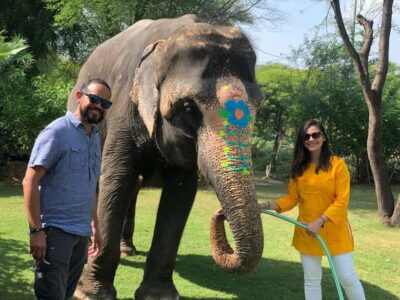
Elephant Activities Feed, Paint & Ride with Pickup
Read our review →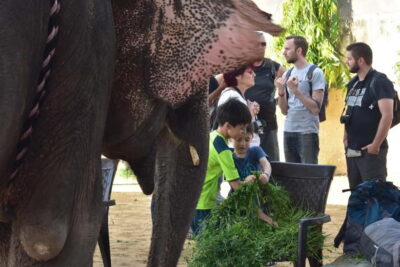

Sunrise Taj Mahal & Elephant SOS Tour with Transfers
Read our review →Browse the lists this tour appears in