
Reviewed · CYCLING TOURS
Taj Nature And Country Side Bike Tour
The best part of this tour is the quick change of scene. You start near the Taj Mahal, then pedal away from Agra’s crowded core into semi-rural India, with local communities and open views replacing the usual monument circuit. It gives you a useful look at daily life beyond the famous white marble building.
I like the small group limit of 10 and the chance to see the Taj from less familiar angles. I also like that the ride mixes exercise with history, including Dusshera Ghat, Kali Masjid, and Aga Khan Ki Haveli. The main consideration is simple: this is a bicycle tour, not a sightseeing drive, and hot weather or road conditions may affect your comfort.
In This Review
- Key points to know before you ride
- Leaving the Taj Mahal zone by bicycle
- Taj Mahal views without the usual crowd
- Dusshera Ghat and the riverside side of Agra
- Kali Masjid and the route’s religious history
- Khan Dauran and Aga Khan Ki Haveli
- Hathi Darwaza and the pleasure of a short ride
- What the countryside portion adds
- Guide quality and the small-group difference
- Is $45 a fair price for two to three hours?
- Who should book this Agra bike tour?
- Should you book it?
- FAQ
- Where does the Taj Nature and Countryside Bike Tour start?
- Where does the tour end?
- How long does the bike tour last?
- How much does the tour cost?
- What places are included on the route?
- Is admission to the Taj Mahal included?
- Is hotel pickup provided?
- Is food or drink included?
- How many people can join the tour?
- What is the minimum age?
- What happens if the weather is poor?
Key points to know before you ride
- Start near the Taj Nature Walk: Meet at Agra By Bike on Taj East Gate Road, close to the Taj Mahal area.
- See more than the monument: The route includes countryside, local communities, riverfront views, mosques, gateways, and historic buildings.
- Small groups matter: A maximum of 10 riders gives you a better chance to ask questions and stay connected with the guide.
- Moses may be your guide: He is associated with this tour, and you can ask if he is leading your departure.
- Allow 2 to 3 hours: The ride is long enough to reach rural areas but short enough to fit around other Agra plans.
- Bring your own food plan: Food and drinks are not included, and hotel pickup is not provided.
Leaving the Taj Mahal zone by bicycle
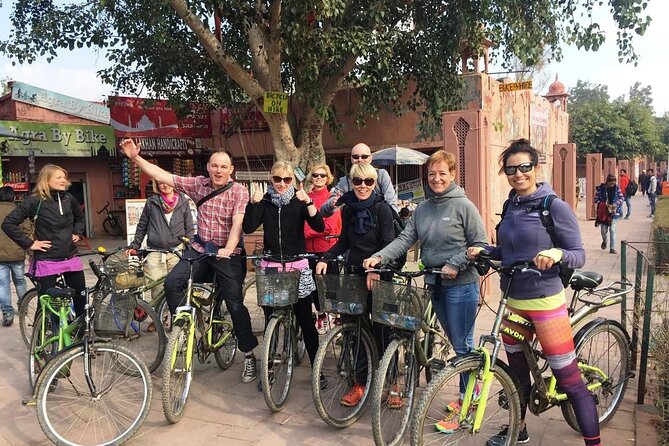
Agra is often reduced to one grand sight. You see the Taj Mahal, take photographs, and move on. This ride gives you a different rhythm. You meet at Agra By Bike, Shop 2 on Taj East Gate Road, near Taj Nature Walk in Tajganj, then set off by bicycle with a local guide and tour host.
That starting point is practical if you are already staying near the Taj East Gate. It is not a hotel pickup service, so you need to arrange your own way to the shop. The meeting point is near public transportation, which helps, but you should still allow time to reach it without rushing.
The tour lasts about 2 to 3 hours. That is enough time for a meaningful ride without turning the outing into an all-day commitment. I would place it either early in your Agra visit, when you want to get your bearings, or on a day when you want a break from enclosed monuments and vehicle traffic.
The route begins with views and lanes near the Taj Mahal, then moves farther into the countryside. The appeal is not speed. It is the gradual change in surroundings and the chance to ask questions as you go.
More bike days around Agra:
- Taj Nature And Country Side Bike Tour
★ 3.0 · 4 reviews - Agra: Old City & Street Food Tour in Car, Tuk Tuk or Bike
★ 5.0 · 4 reviews - 3-Hour Morning Bike Tour of Jaipur
★ 5.0 · 1,253 reviews
Taj Mahal views without the usual crowd
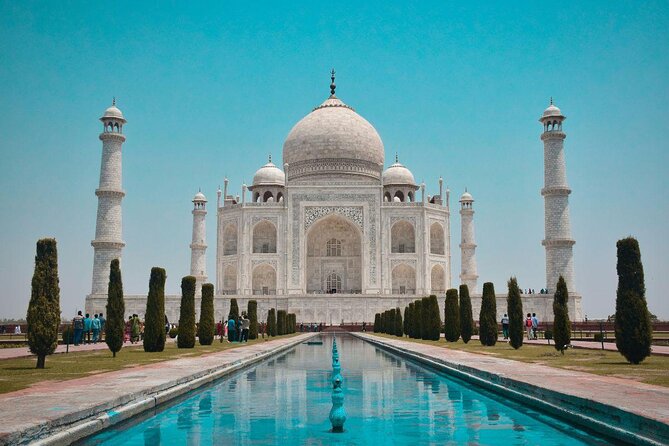
You do not spend this tour touring the Taj Mahal interior or grounds. Instead, the monument appears as part of the ride, seen from areas away from the standard entrance route.
That change in viewpoint matters. From the usual visitor path, the Taj is carefully framed and heavily photographed. From the bicycle route, it becomes part of the wider setting around Agra. You may see it from open areas and less familiar approaches, giving you a better sense of how the monument relates to the city and countryside around it.
The first stop is listed as the Taj Mahal, with about 15 minutes connected to the opening part of the route. Admission is free for this activity, but that does not mean the tour includes entry into the Taj Mahal itself. Think of this as a viewpoint and orientation stop rather than a substitute for a proper Taj visit.
If this is your first time in Agra, keep your expectations clear. You will not get a long guided tour of the monument’s architecture. You will get a moving view of it, plus context from your guide about the area beyond the main visitor zone.
Dusshera Ghat and the riverside side of Agra
Dusshera Ghat brings the route toward one of Agra’s riverfront areas. A ghat is a set of steps or an access point leading toward a river, and these spaces often reveal another side of city life.
The stop is valuable because it shifts your attention away from polished sightseeing areas. You may find a more local setting here, with daily activity and a wider view across the river area. The exact feel can change with weather, season, and time of day, so come ready for a working part of Agra rather than a formal attraction.
This is also one of the places where a local guide adds real value. A guide can explain what the site means to nearby communities and how it fits into life around Agra. Ask questions as you ride. The tour is designed around conversation, not just following a bicycle from one stop to the next.
Because there is no food or drink included, carry what you need for the ride. The supplied information does not specify refreshment stops, so do not count on buying a snack as part of the tour.
Kali Masjid and the route’s religious history
Kali Masjid adds a religious and architectural stop to the cycling route. It helps break up the countryside portion with a place connected to Agra’s Islamic heritage.
The value here is context. Agra’s story is not only the Taj Mahal and the Mughal court. Mosques, old lanes, gates, homes, and river access points all form part of the city’s past and present. A bicycle lets you connect these places physically, rather than seeing them as isolated points reached by car.
You should dress for comfort, since this is an active outing and the stated dress code is simply anything comfortable. The tour details do not require formal clothing or special attire. Still, respectful clothing is a sensible choice when visiting religious sites.
Do not expect a long stop at every location. With several points included within 2 to 3 hours, some visits will be brief. The strength of the tour is the combined picture, not a detailed museum-style presentation at each stop.
More Agra trips:
- Agra: Skip-the-Line Taj Mahal & Agra Fort Private Tour
★ 4.9 · 1,546 reviews - Agra: Taj Mahal Express Entry Tickets
★ 4.8 · 684 reviews - Agra: Taj Mahal and Mausoleum Guided Tour with Skip-the-Line
★ 4.8 · 631 reviews - Private Guided Taj Mahal Tour with Skip The Line Entry Ticket
★ 5.0 · 562 reviews
Khan Dauran and Aga Khan Ki Haveli
Khan Dauran and Aga Khan Ki Haveli give the ride more historic depth. They are part of the route’s mix of lesser-known places, local streets, and older buildings.
A haveli is a traditional large residence, often tied to wealthy families or historic urban life. Aga Khan Ki Haveli adds a look at the built environment that shaped Agra beyond its best-known monument. You are not simply cycling through empty countryside. The ride connects rural edges with older urban structures and community spaces.
Khan Dauran adds another layer to that sequence. The details provided for the tour do not spell out a separate admission plan or a long guided visit at either place, so treat them as route stops rather than full standalone attractions. Your guide’s explanation will likely matter more than the amount of time spent looking at each building.
This is where the tour suits curious visitors best. If you want only a major monument with a polished presentation, the Taj Mahal itself is the better use of your time. If you want to understand how Agra works around its headline sight, these smaller stops help fill in the picture.
Hathi Darwaza and the pleasure of a short ride
Hathi Darwaza, or Elephant Gate, brings the route back to the city’s older architectural character. A gate can tell you a lot about how people once entered, left, and moved through an area. Even a short look helps you notice that Agra’s built history extends far beyond the Taj complex.
The final stops also show why a bicycle works well here. You cover ground under your own power, but you are not committed to a demanding full-day cycling trip. The pace allows you to notice side roads and changing surroundings that are easy to miss through a vehicle window.
The ride ends back at the Agra By Bike meeting point. That makes planning easier. You can leave luggage at your accommodation, complete the tour, and then continue with your day from the same general area. Hotel drop-off is not included, so plan your next move yourself.
What the countryside portion adds
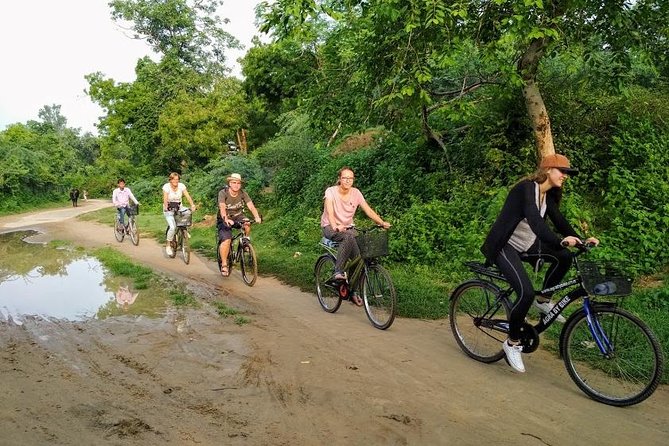
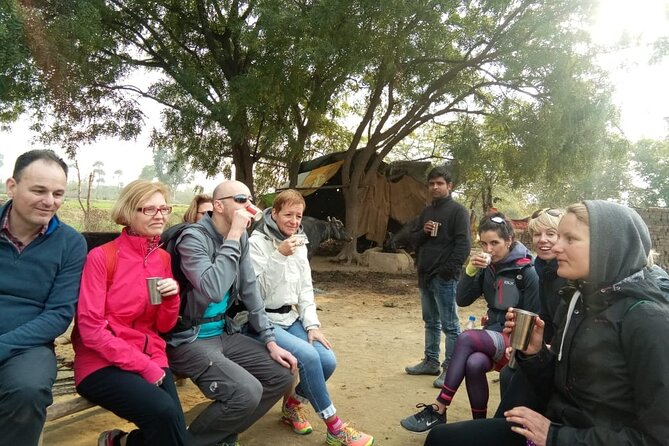
The countryside section is the heart of the tour. You pedal deeper into areas where semi-rural communities live and work, learning about local life from the guide as you go.
That phrase, local life, can sound vague, but here it points to the tour’s main purpose. You are not just looking at fields from a road. You are moving through communities and hearing about society and ways of living in this part of India. One customer specifically described the ride as a way to leave the chaotic city within minutes and learn about countryside life. That is a useful expectation to carry with you.
The route may feel very different from central Agra. You might find quieter roads, open views, homes, working areas, and people going about ordinary routines. The exact sights will change, and the supplied details do not promise a particular village, farm, animal encounter, or meal. That is a good reason to focus on the setting and guide conversation rather than arrive with a checklist.
Cycling also gives you a small role in the scene. You are not sealed inside a car. You feel the air, notice the road surface, and have time to watch the transition from city to countryside. The tradeoff is that heat, dust, traffic, and uneven riding conditions can affect the outing. Good weather is required, and poor weather can lead to a new date or a full refund.
Guide quality and the small-group difference
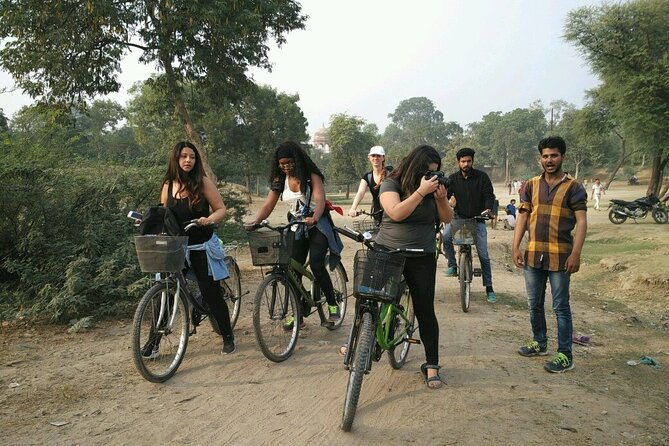
A local guide and tour host are included. That matters more here than it would on a simple point-to-point bike rental because the route depends on explanation.
The guide can help you understand what you are seeing at the ghats, mosque, gates, historic residences, and community areas. You will get more from the outing if you ask direct questions about family life, work, religion, neighborhood customs, and how rural areas connect with Agra. The supplied customer note specifically names Moses and suggests asking for him, so you can check if he is available when arranging your ride.
The group cap is 10 people. That is small enough for a guide to keep the group together and answer questions without turning the outing into a crowd. It also makes the ride feel more personal than a large coach tour.
Still, a small group does not mean private. You may share the route with up to nine other riders, and the pace will need to suit the group. If you need a completely custom schedule, ask the operator before booking rather than assume the standard departure can be changed.
Is $45 a fair price for two to three hours?
At $45 per person, this is not the cheapest way to see Agra. You are paying for a guided route, a local host, bicycles, and access to a more personal view of the area. Food, drinks, and hotel transport are extra.
The value depends on what you want from Agra. If your only goal is to see the Taj Mahal at the lowest possible cost, this tour adds more time and expense than necessary. If you want exercise, local conversation, and places outside the standard sightseeing loop, the price is easier to justify.
The strongest value comes from combining several things in one short outing: Taj views, rural roads, historic stops, and interpretation from a local guide. You also avoid spending half a day arranging separate transport to scattered sites.
Keep in mind that admission tickets are listed as free, so the price is mainly for the guided cycling service rather than entry to paid attractions. That is not a weakness, but it explains what you are buying.
Who should book this Agra bike tour?
I would choose this ride if you want a break from monuments, enjoy light outdoor activity, and care about how people live beyond the main tourist district.
It suits:
- Adults and families with children aged 12 or older
- Visitors who want a short, active morning or afternoon
- People interested in rural and semi-rural communities
- Repeat visitors to Agra who have already seen the main sights
- First-time visitors who want cultural context alongside the Taj Mahal
- Anyone comfortable riding in a changing urban and countryside setting
It may not suit you if you dislike bicycles, need hotel transport, want a detailed indoor history tour, or have less than three hours available. The minimum age is 12, and most people can participate, but the tour still requires enough comfort with cycling to stay with the group.
Wear comfortable clothes and prepare for outdoor conditions. Since the operator requires good weather, keep some flexibility in your Agra schedule. You can cancel for a full refund up to 24 hours before the start time, but late cancellations and changes are not accepted.
Should you book it?
Book this tour if you want to see Agra as a living place, not just as the setting for the Taj Mahal. The route’s best features are its countryside access, short duration, small group size, and mix of riverfront, religious, residential, and historic stops.
I would skip it if you are looking for a grand monument tour or a guaranteed food-and-shopping outing. For everyone else, $45 buys a useful change of pace and a better look at the communities around Agra. Ask if Moses is guiding your departure, bring water, and leave room in your plans for weather.
FAQ
Where does the Taj Nature and Countryside Bike Tour start?
It starts at Agra By Bike, Shop 2, Taj East Gate Road, near Taj Nature Walk in Tajganj, Agra, Uttar Pradesh 282001, India.
Where does the tour end?
The tour ends back at the same meeting point.
How long does the bike tour last?
The tour lasts approximately 2 to 3 hours.
How much does the tour cost?
The listed price is $45 per person.
What places are included on the route?
The route includes the Taj Mahal area, Dusshera Ghat, Kali Masjid, Khan Dauran, Aga Khan Ki Haveli, and Hathi Darwaza.
Is admission to the Taj Mahal included?
The activity lists free admission for the tour stops, but it does not include entry into the Taj Mahal itself.
Is hotel pickup provided?
No. Hotel pickup and drop-off are not included.
Is food or drink included?
No. Food and drinks are not included in the tour price.
How many people can join the tour?
The maximum group size is 10 people.
What is the minimum age?
The minimum age is 12 years.
What happens if the weather is poor?
The tour requires good weather. If poor weather causes cancellation, you can choose another date or receive a full refund.
Recently added around Agra
- Taj Mahal Entrance Ticket★ 5.0 · 3 reviews
- Spiritual Private Tour of Vrindavan and Mathura★ 3.0 · 3 reviews
- Agra’s Hidden Gems & Flavors on a Thrilling Tuk-Tuk Tour 3-4 Hrs★ 5.0 · 3 reviews
- Agra: Taj Mahal and Agra Fort Private Guided Half-Day Trip★ 5.0 · 3 reviews
- Shop Agra Like a Local: Unique Indian Handicrafts Tour★ 5.0 · 3 reviews
- From Jaipur: Taj Mahal Guided and Agra Tour By Car★ 5.0 · 3 reviews
- Private Transfers Jaipur To Agra Drop with sikri & stepwell★ 5.0 · 3 reviews
- Full day Taj Mahal, Agra Fort, Fatehpur Sikri By Car From Agra★ 5.0 · 3 reviews
Cycling Tours, compared.
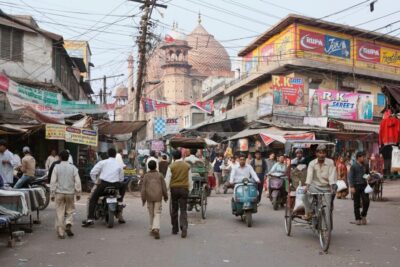
Old City & Street Food Tour in Car, Tuk Tuk or Bike
Read our review →Browse the lists this tour appears in