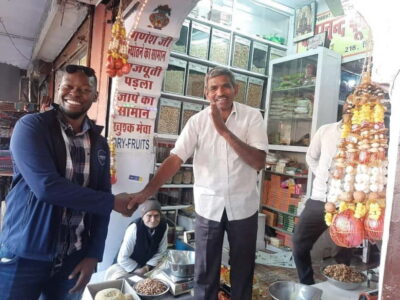
Reviewed · STREET FOOD TOURS
Agra: Street Food Walking Tour, Spice Market, & Tuk-tuk Ride
Agra’s best street scenes are away from the Taj Mahal gates, where Kinari Bazaar’s jewelry shops, textile stalls, spice sellers, temples, and food carts crowd the narrow lanes. This two-to-three-hour tour gives you a practical way into that maze, with a tuk-tuk ride from your hotel and a private guide such as Farman or Amir to keep the outing moving.
I like two things here: the chance to see Old Agra without having to navigate it alone, and the steady stream of small food tastings, from samosa and aloo tikki to sweets and masala tea in a clay cup. The main consideration is that this is a walking-and-snacking tour, not a sit-down dinner, and part of the route may include an artisan shop where you should feel free to browse without buying.
In This Review
- Key points at a glance
- Why Old Agra makes a better street-food setting
- The tuk-tuk ride sets the tone
- Jama Masjid and the Mughal city
- Mankameshwar Temple and living faith
- Seth Gali is where the food begins
- Rawatpara Road and Agra’s spice trade
- Kinari Bazaar’s jewelry, textiles, and craft shops
- What the guides add
- Timing, walking, and comfort
- Is $14 good value?
- Who should book it?
- FAQ
- How long does the Agra street-food tour last?
- Where can pickup take place?
- Which places are visited?
- What street food can I try?
- Is food included in the price?
- Are monument entrance tickets included?
- What should I wear?
- Which languages are available?
- Should you book this Agra tour?
Key points at a glance
- Old Agra beyond the Taj Mahal: Walk through local shopping lanes where residents buy jewelry, cloth, sweets, tea, and household goods.
- A private tuk-tuk from your hotel: Pickup and return are included from a hotel, railway station, or agreed location in Agra.
- Two important religious sites: Visit Jama Masjid and Shri Mankameshwar Temple, with clothing that covers your knees and shoulders required.
- Several local bites: Depending on the option selected, tastings may include samosa, dosa, chole bhature, aloo tikki, pani tikki, sweets, and chai.
- Helpful guides: Farman and Amir receive repeated praise for clear English, good local knowledge, patience, and care in traffic.
- A useful first-evening activity: The suggested timing is 2 p.m. to 4 p.m. in winter and 4 p.m. to 6 p.m. in summer, making this a good companion to a morning Taj Mahal visit.
Why Old Agra makes a better street-food setting
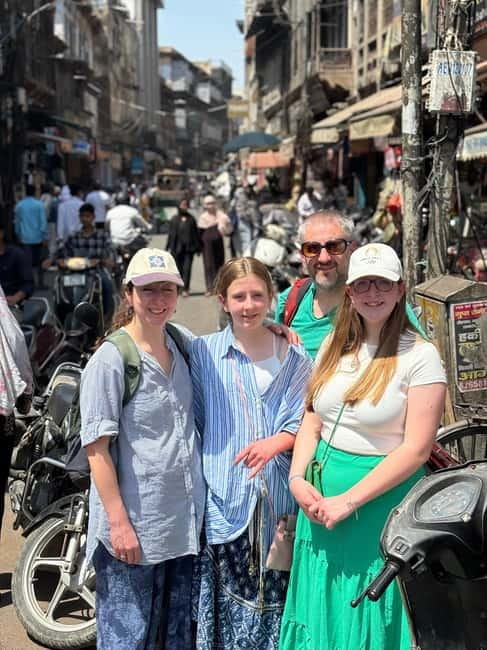
The Taj Mahal is Agra’s great headline, but it tells you little about how the city works day to day. This route takes you toward the older commercial center, where the pleasures are smaller and more immediate: a hot snack lifted from a griddle, a shopkeeper arranging embroidered cloth, a temple bell, and the smell of ground spice drifting through a lane.
I like this approach because the guide handles the practical problems that make Old Agra hard to visit alone. The lanes can feel like a maze, traffic squeezes through with little warning, and you may not know which food stall is suitable for a first taste. A private guide gives you context while helping you cross streets, stay together, and find the next stop.
The tour also works well as a short cultural counterpoint to the Taj Mahal. You will not see every major monument in Agra, but you will get a closer look at local shopping, worship, food, and craft traditions. Several guides have also helped solo visitors and families feel comfortable in crowded streets, which matters in a place that can be intense at first.
More Food Tours in Agra
- Flavours of Agra Food walk
★ 5.0 · 25 reviews - Agra: Sadar Bazar Food Market Night Walking Tour by Tuk-Tuk
★ 4.9 · 25 reviews - Agra: Street Food Tour with Spice Market on Tuk-Tuk Ride
★ 4.7 · 23 reviews
The tuk-tuk ride sets the tone
Pickup is offered from your Agra hotel, railway station, or another agreed location. The ride to the old city takes about 15 minutes, followed by a similar transfer back at the end.
A tuk-tuk is not a quiet sightseeing vehicle. It puts you close to the sounds and movement of Agra, and the ride through traffic can feel exciting. One practical detail is worth knowing: drivers used to carrying international visitors are described as careful, but the streets remain hectic. Hold on, keep bags secure, and expect a lively ride rather than a smooth glide.
The tuk-tuk also saves time. Instead of trying to reach the market on foot or arranging several separate rides, you can go directly from your accommodation to the walking route and return afterward. That makes the $14 price especially attractive when pickup, return, guiding, transport, and food tastings are included in your selected option.
Jama Masjid and the Mughal city
The first main stop is Jama Masjid, also called the Friday Mosque. The visit lasts about 30 minutes and includes time to walk, take photos, and hear about the building and its place in Agra.
The mosque is a good introduction to the city’s Mughal past, with architectural details that are easier to appreciate when someone points them out. You will also see how a major place of worship fits into the surrounding market district rather than sitting apart from daily life.
Dress matters here. Cover your shoulders and knees, and wear clothing suitable for entering both the mosque and the temple. The tour does not include monument entrance fees, so check the current arrangements at booking if a fee applies on your date.
Do not expect a long architectural lecture or a full monument visit. This is a short stop within a larger walk, so the value comes from combining the mosque with the markets and food streets around it.
Mankameshwar Temple and living faith
A short walk leads to Shri Mankameshwar Mandir, an old Hindu temple dedicated to Lord Shiva. The scheduled visit is about 30 minutes, with the guide explaining local religious customs and the site’s place in Agra’s culture.
This stop gives the tour a useful balance. Jama Masjid presents one side of Agra’s religious and architectural story, while the temple shows another form of worship in an active neighborhood setting. You are not simply checking off two buildings. You are moving through a city where different traditions occupy the same busy urban center.
As with the mosque, modest clothing is required. Comfortable shoes help, since the route includes roughly 90 minutes of walking when the transfers and stops are counted separately. The pace is not described as rushed, and guides such as Farman and Amir are often praised for answering questions and adjusting the outing when practical needs arise.
More Market Tours in Agra
- Agra: Street Food and Walk Tour with Spice Market by Tuk-Tuk
★ 5.0 · 18 reviews - Agra Old City & Bazaar Tour, With Taj mahal & Fort.
★ 5.0 · 15 reviews - Agra Evening Food Walk & Market Tour with Private Local Guide
★ 5.0 · 6 reviews - From Agra: Fatehpur Sikri and Market Private Half-Day Tour
★ 5.0 · 5 reviews
Seth Gali is where the food begins
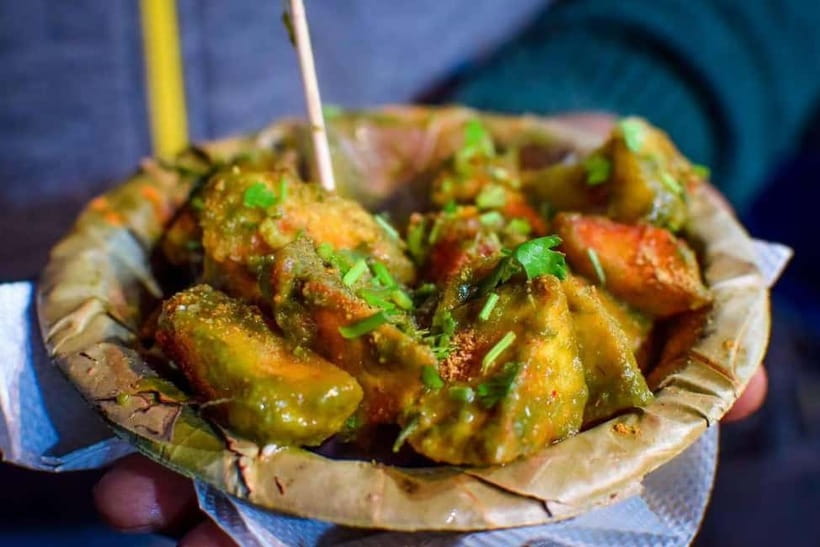
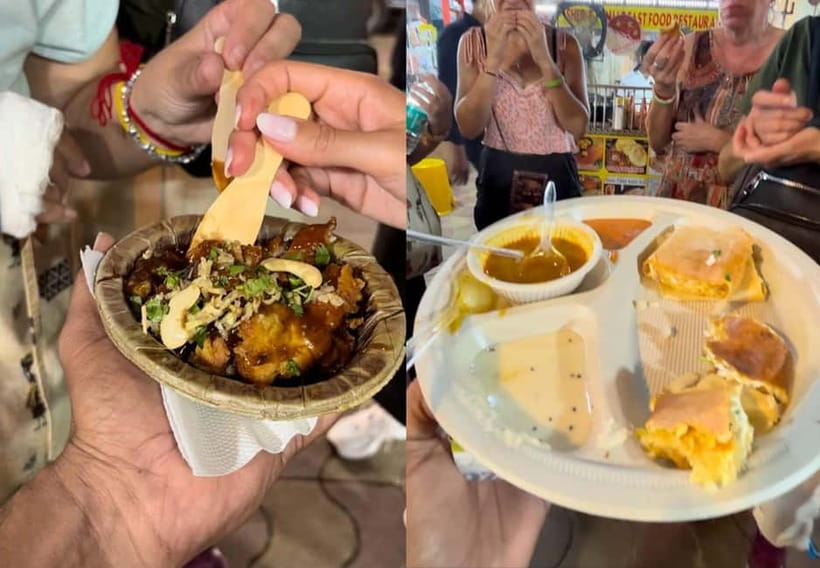
Seth Gali is one of the food-focused parts of the route. You might stop for samosa, dosa, chole bhature, aloo tikki, pani tikki, local sweets, and masala tea served in a small clay pot.
The exact selection can change, but the point is variety. A samosa gives you a crisp, savory start. Aloo tikki brings spiced potato with sauces and toppings, while pani tikki adds a sharper, wetter bite. Dosa offers a different texture, and chole bhature is more filling. Sweets such as barfi, chom chom, sheermal, or seasonal gajar ka halwa may appear depending on the day and season.
Gajar ka halwa is particularly associated with winter in the tour information. If you visit during colder months, ask about it. It is a warm carrot dessert, and it can be a welcome change after several spicy or fried samples.
Masala tea in a clay cup is another small pleasure. You get the tea, the scent of the spices, and the simple ritual of drinking it in the market rather than in a hotel dining room. I would treat these tastings as a generous snack session, not a guaranteed full meal. One visitor found the portions enough for dinner, while another made the fair point that the tour is more about snacks than a formal food meal.
Rawatpara Road and Agra’s spice trade
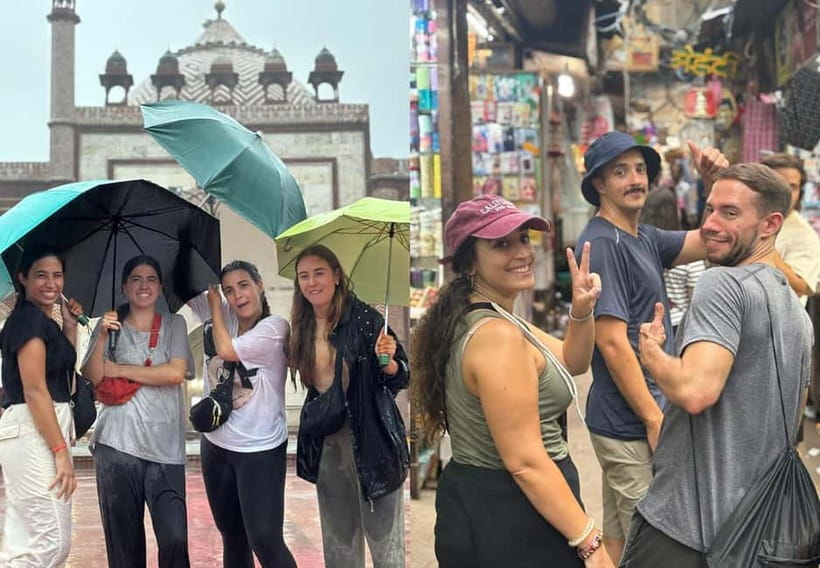
Rawatpara is Agra’s well-known spice market, and this is where the sense of smell becomes as important as the food. Sacks and displays of spices bring strong color and fragrance to the narrow streets, and your guide can explain what you are seeing and how the market fits into local commerce.
This part of the walk is valuable even if you are not planning to buy anything. Spices are a direct way to understand Indian cooking, and the market makes a useful link between the ingredients on display and the food you have just tasted.
You may also have time to shop for tea, spices, sweets, or small gifts. Ask your guide to explain prices and quality before you buy, and remember that browsing is perfectly acceptable. The tour is intended to show you the market, not require a purchase.
Street food always calls for ordinary care. Choose freshly cooked items, take small portions at first, and tell the guide about allergies or dietary limits before ordering. The route includes vegetarian choices, and one family specifically enjoyed having the guide make the food stops work for a child.
Kinari Bazaar’s jewelry, textiles, and craft shops
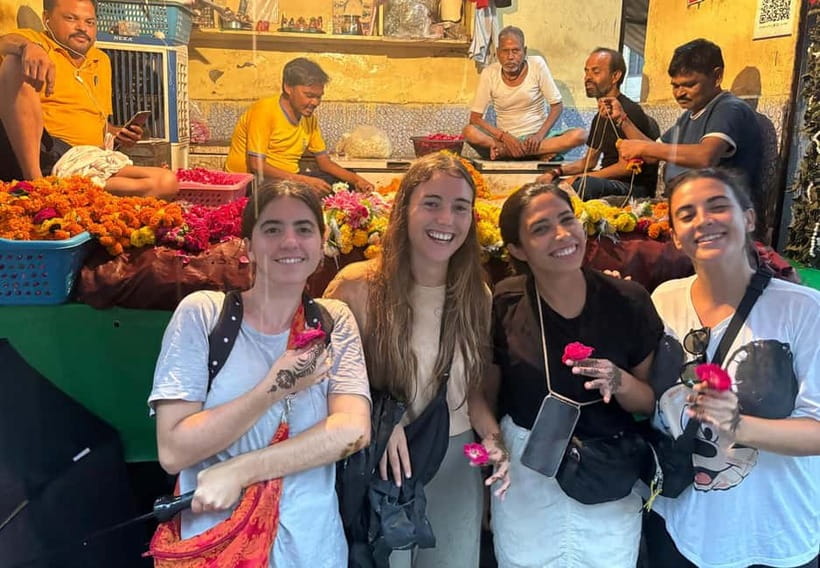
Kinari Bazaar is a major shopping stop and one of the most visually crowded parts of the outing. You will see traditional jewelry, textiles, embroidery, and handicrafts, with shops packed closely along the lanes.
This is a place to watch how Old Agra shops rather than simply pass through it. You might find something to take home, but you can also focus on the workmanship, colors, and way goods are displayed. Guides may explain the connection between local craft and Agra’s wider tradition of decorative stone and textile work.
Some versions of the route include a visit to an artisan or handicraft shop, such as a rug-weaving or marble and stone workshop. That can be interesting if you want to understand how an item is made. It can also turn into a sales pitch. The best approach is to set expectations early: tell your guide if you want to see craft demonstrations but do not want shopping time, and do not feel obliged to buy.
This is the one part of the tour I would watch closely. Most accounts describe the guides as respectful, and some visitors were not pressured. Still, guided shopping stops can be commercial, so keep your wallet and schedule under your own control.
What the guides add
The guide is central to the value of this activity. Farman and Amir are the names most often associated with the tour, and both are described as friendly, clear in English, and attentive in crowded streets. Spanish guiding is also available, subject to the selected guide and date.
A good guide changes the walk from a confusing market visit into a readable one. You can ask why a street sells a particular product, how a religious site is used, or what a sweet is made from. Guides have also helped with small practical needs, such as finding souvenirs, recommending a local sweet, taking photos, or arranging onward transport.
Safety is another useful part of the service. The route takes you through traffic and tight pedestrian lanes, and guides have been praised for keeping an eye on solo women, children, and groups when strangers or beggars approach. This does not remove the need for normal city awareness, but it can make the outing feel much easier.
The guiding style may vary. If you want more food and less shopping, say so at the start. If you want extra time for photos or a specific purchase, ask. The activity is private, so there is more room for that sort of adjustment than on a large group tour.
Timing, walking, and comfort
The stated duration is two to three hours. The route includes around 15 minutes of transfer time at each end, plus visits of about 30 minutes at the mosque, temple, food areas, and bazaar. In practice, you should expect a compact outing with roughly 90 minutes of walking and several short stops.
Winter start times are suggested between 2 p.m. and 4 p.m. Summer starts are suggested between 4 p.m. and 6 p.m. The later summer timing should make the walk more manageable than the hottest part of the day, while winter afternoons give you time to see the market before evening.
Wear comfortable shoes and loose, modest clothing. Cover your knees and shoulders for the religious sites. The streets are crowded and uneven enough that sandals with poor support may become annoying, especially if you are enjoying the food and want to linger.
The tour is not recommended for pregnant women or people with pre-existing medical conditions. The combination of tuk-tuk travel, street walking, traffic, and food stalls may be tiring if you need a slower or more controlled setting.
Is $14 good value?
At $14 per person, this is an unusually inexpensive way to get a private introduction to Old Agra. The included tuk-tuk pickup and drop-off alone remove some of the friction of reaching the market, while the guide gives you access to places that are difficult to understand on your own.
Check which booking option includes the food. Street-food snacks and sweets are included if that option is selected, while drinks are not included. You may also need to pay monument entrance fees, so the headline price should not be treated as an all-in budget for every possible expense.
The cheaper no-food option may suit you if you want to choose each snack yourself. One practical advantage is control: you can buy only what appeals to you and spend less if you have a small appetite. The food-inclusive option is easier if you want the guide to choose several classic bites and keep the route moving.
Free cancellation up to 24 hours ahead and reserve-now, pay-later booking add useful flexibility. Starting the tour after a morning visit to the Taj Mahal also makes good use of a half-day in Agra.
Who should book it?
I would choose this tour if you want to see Agra as a working city rather than only as a collection of monuments. It suits first-time visitors, solo tourists, couples, families with older children, and anyone who wants help finding food without guessing at every stall.
It is also a good fit for photographers and shoppers. The old lanes, market displays, religious architecture, food preparation, and tuk-tuk ride provide plenty to look at, while guides may help with photos and local purchases.
I would hesitate if you want a long, relaxed restaurant meal, a quiet vehicle, or a tour focused only on architecture. The food comes in snack-sized stops, the streets are noisy, and the artisan visit may include a sales element. People with medical concerns, pregnancy, or difficulty walking should choose a gentler activity.
FAQ
How long does the Agra street-food tour last?
The activity lasts approximately two to three hours, including tuk-tuk transfers, walking, religious-site visits, food tastings, and time in the markets.
Where can pickup take place?
Pickup is available from hotels, railway stations, or another agreed location in Agra. Drop-off is provided at the original departure point.
Which places are visited?
The route includes Jama Masjid, Shri Mankameshwar Temple, Seth Gali, Rawatpara Road, and Kinari Bazaar.
What street food can I try?
Possible tastings include samosa, dosa, chole bhature, aloo tikki, pani tikki, sweets, and masala tea in a clay pot. The exact selection may vary.
Is food included in the price?
Street-food snacks and sweets are included if you select the food option. Drinks are not included.
Are monument entrance tickets included?
No. Monument entrance tickets are not included in the activity price.
What should I wear?
Wear comfortable clothes and shoes. Your clothing should cover your knees and shoulders because the route includes a mosque and a Hindu temple.
Which languages are available?
Live guiding is available in English and Spanish.
Should you book this Agra tour?
Book it if the Taj Mahal is only part of what you want from Agra. For $14, you get a private guide, tuk-tuk transport, a walk through Old Agra, two religious sites, a spice market, a traditional bazaar, and a chance to taste local snacks.
Go in with the right expectations. This is a lively street walk with food samples, not a polished culinary class or a full dinner. Tell Farman or Amir what interests you, stay firm about shopping, dress for the mosque and temple, and you will have a practical, low-cost way to see the parts of Agra most short visits miss.
More Tuk-Tuk Tours in Agra
- Tajmahal Full day Tour by tuk tuk
★ 5.0 · 357 reviews - Tuk Tuk Tour of Taj Mahal With Experienced Driver
★ 5.0 · 47 reviews - Skip the Line: Half Day Sunrise Tour of Taj Mahal by TUK TUK
★ 5.0 · 45 reviews - Taj Mahal by Tuk Tuk : A Local-Style Adventure
★ 5.0 · 39 reviews
More Shopping Tours in Agra
- Agra Shopping Tour with Guide
★ 5.0 · 15 reviews - Agra Sightseeing & Shopping Tour by Private Car with Guide
★ 5.0 · 4 reviews
Recently added around Agra
- Taj Mahal Entrance Ticket★ 5.0 · 3 reviews
- Agra’s Hidden Gems & Flavors on a Thrilling Tuk-Tuk Tour 3-4 Hrs★ 5.0 · 3 reviews
- Spiritual Private Tour of Vrindavan and Mathura★ 3.0 · 3 reviews
- Agra: Taj Mahal and Agra Fort Private Guided Half-Day Trip★ 5.0 · 3 reviews
- Shop Agra Like a Local: Unique Indian Handicrafts Tour★ 5.0 · 3 reviews
- From Jaipur: Taj Mahal Guided and Agra Tour By Car★ 5.0 · 3 reviews
- Private Transfers Jaipur To Agra Drop with sikri & stepwell★ 5.0 · 3 reviews
- Full day Taj Mahal, Agra Fort, Fatehpur Sikri By Car From Agra★ 5.0 · 3 reviews
Street Food Tours, compared.

Street Food Tour with Spice Market on Tuk-Tuk Ride
Read our review →
Street Food and Walk Tour with Spice Market by Tuk-Tuk
Read our review →
Guided Night Tour of Jaipur With Optional Street Food Tasting
Read our review →
Best Evening Street Food & Local Bazar Tour in Agra.
Read our review →
No Diet Club Amazing Street Food Tasting in Jaipur
Read our review →