

Reviewed · FOOD & DRINK
Feast on the Streets: Best Jaipur Food Tour
Jaipur’s best stories may arrive on a small plate. This walking food tour takes you through the Pink City for chaat, chole bhature, masala chai, lassi, and Indian sweets, with stops near Hawa Mahal, Govind Devji Temple, and Tripolia Bazar. The food is the hook, but the setting and street-level history are the real treat.
I like two things right away: the route stays on foot, so you see the city between bites, and the tasting list covers sweet, salty, sour, spicy, and creamy flavors rather than repeating one kind of snack. Guides such as Abdul also explain local customs, architecture, trades, and food culture while helping you cross Jaipur’s busy roads.
The main consideration is that this is an authentic street-food outing, not a polished restaurant crawl. Hygiene standards and comfort can vary from stop to stop, and the food may be too much for cautious eaters or anyone with a sensitive stomach.
In This Review
- Key points before you book
- Why food is the right way into Jaipur
- Starting at Tripolia Gate
- Hawa Mahal and the first taste of Jaipur
- Govind Devji Temple and food with a religious setting
- Tripolia Bazar, where the walk feels most local
- What you may taste along the way
- Hygiene, comfort, and sensible precautions
- The guide makes the difference
- Is $22 a fair price?
- Who should book this walk?
- Should you book Feast on the Streets?
- FAQ
- Where does the Jaipur food tour begin?
- Where does the tour end?
- How long does the tour last?
- Which sights are included along the route?
- What food and drinks are included?
- Are all food and drink costs included in the price?
- What happens if the weather is poor?
Key points before you book
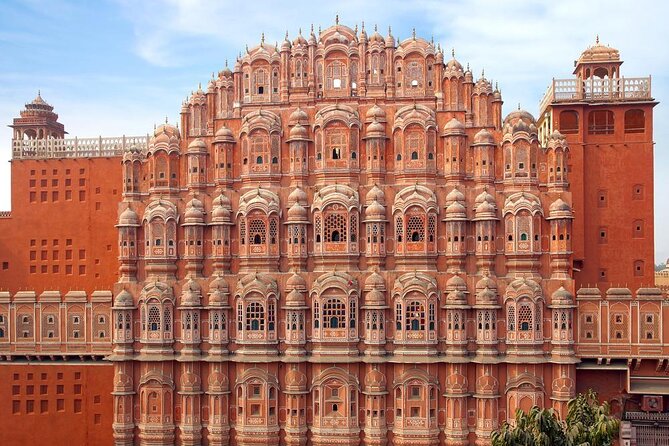
- Jaipur’s Pink City by foot: Start and finish at Tripolia Gate, with stops around Hawa Mahal, Govind Devji Temple, and Tripolia Bazar.
- A broad tasting menu: Expect chaat, chole bhature, masala chai, lassi, drinks, and a large selection of Indian sweets.
- Food with local context: The guide explains culinary traditions, city history, architecture, and the trades found around the bazaars.
- A small-feeling group: The maximum group size is 20 people, though the experience may feel more personal with fewer participants.
- Evening timing: The advertised duration is about two and a half hours, within operating hours from 7 a.m. to 10 p.m.
- Good value at $22: Bottled water and coffee or tea are included, while your other food and drink expenses are separate.
Why food is the right way into Jaipur
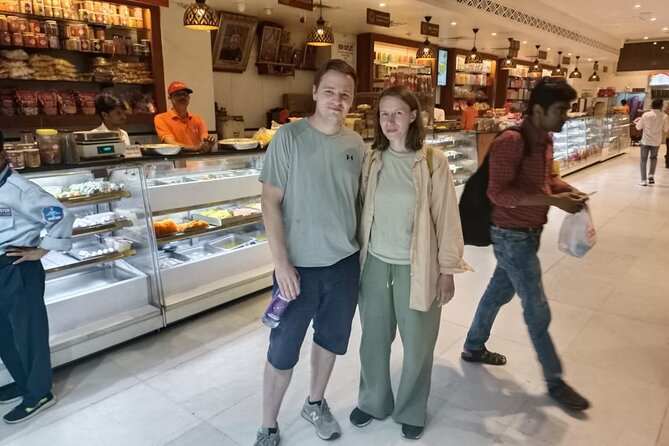
Jaipur can feel like a lot at first: painted buildings, busy crossings, temple bells, shopfronts, traffic, and an endless stream of people moving through the old city. A food walk gives you a simple way to read it. You stop, taste one thing, hear its story, and then notice the neighborhood around you.
That rhythm matters. Instead of racing between major sights, you spend time watching how the old city works. A snack stall may sit near a temple. A sweet shop may serve families who have been buying the same treats for years. A lane near the bazaar may reveal small workshops and local trades that are easy to miss from a car.
I like that the tour treats food as part of Jaipur’s culture, not just fuel between attractions. The guide’s commentary covers Indian culinary traditions and newer food habits, giving you a better sense of how old recipes and modern city life meet.
You should also arrive hungry, but not starving. Two and a half hours of tastings can add up quickly, especially when the route includes filling chole bhature, creamy drinks, savory chaat, and sweets at the end. A light meal earlier in the day is sensible.
More Food Tours in Jaipur
- Jaipur Bazaar & Food Walking Tour
★ 5.0 · 281 reviews - Heritage Walk & Street Food Tasting in Jaipur
★ 5.0 · 158 reviews - Cultural Walk and Food Tasting In Jaipur
★ 5.0 · 118 reviews
Starting at Tripolia Gate
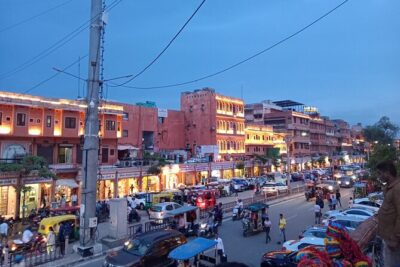
The tour begins at Tripolia Gate in Tripolia Bazar, within Jaipur’s Pink City. This is a practical meeting point because the walk starts in the middle of the old city rather than requiring a long ride out to a separate food district.
Tripolia Bazar is more than a place to meet. It puts you straight into the commercial heart of Jaipur, where shops, lanes, shrines, food vendors, and everyday city life overlap. The route ends back at the same meeting point, which makes planning easier if you have a hotel, driver, or later activity arranged nearby.
The walk is listed as lasting about two hours and 30 minutes. That is long enough for several food stops and conversation without taking up an entire evening. Still, walking in the old city means you should expect traffic, uneven movement, crowded lanes, and frequent pauses.
The group limit is 20 people. That is not a tiny private walk, but it is far more manageable than a large coach excursion. If you want plenty of direct conversation with the guide, a smaller departure would be preferable. The available information does not promise a private group, so book with the expectation of a shared experience.
Hawa Mahal and the first taste of Jaipur
Hawa Mahal, the Palace of Wind, is one of Jaipur’s familiar sights, but seeing it as part of a food walk changes the emphasis. You are not simply stopping for a photograph. The building provides a visual starting point for talking about Jaipur’s royal past, its old streets, and the way the Pink City was planned around public life and trade.
The tour description does not specify exactly which dish is served at this stop, so do not book expecting a fixed snack at Hawa Mahal itself. Instead, think of it as one of the key landmarks along a route that uses food to explain the city.
This is also where the practical side of a guided walk becomes clear. Jaipur’s roads can be rushed and confusing, especially when you are looking at architecture while trying to keep up with a group. The guide is expected to manage road crossings and keep the group together, a useful service when the evening traffic picks up.
The Hawa Mahal area can be visually busy. If you want quiet sightseeing or a long architectural explanation, this tour may feel too active. The focus remains on moving through the city and tasting food, not on a formal monument visit.
Govind Devji Temple and food with a religious setting
The route continues to Govind Devji Temple, an important stop for understanding how food, faith, and daily life connect in India. The temple adds another layer to the walk because Indian food traditions often sit close to religious customs, festivals, offerings, and family routines.
The exact temple activities included in the walk are not specified, so you should not assume the tour includes a dedicated temple ceremony or interior visit. The stop is best understood as part of the cultural route, with the guide providing context as you move through this part of Jaipur.
This is one reason I would take the tour early in a Jaipur visit. The explanations can help you make sense of later meals and market visits. You will have a better frame for understanding why certain foods are popular, how sweets fit into celebrations, and why some ingredients or preparations carry social meaning.
As with any religious site, follow the guide’s instructions and local customs. The supplied information does not state a dress code or entrance arrangement, so those details should be confirmed at booking if they matter to you.
A completely different kind of day out from Jaipur:
- Jaipur: Private Full Day Sightseeing Tour By Car with Guide
★ 4.9 · 1,839 reviews - Agra: Skip-the-Line Taj Mahal & Agra Fort Private Tour
★ 4.9 · 1,546 reviews - 3-Hour Morning Bike Tour of Jaipur
★ 5.0 · 1,253 reviews - Spiritual City Walking Tour-THE Pushkar Route
★ 5.0 · 907 reviews
Tripolia Bazar, where the walk feels most local
Tripolia Bazar is the natural home base for the experience. It is a place to watch commerce happen at close range, with food stalls and shops sharing the same crowded urban space. The route may take you into smaller lanes and back streets that you might not feel comfortable entering alone.
That point came through clearly in the feedback about the tour. The value is not only the food itself. A local guide can show you where to look, which stalls are trusted, and how to move through streets that are hard to read on your own.
The guide may also point out local artisans and trades. That makes the bazaar more than a backdrop for eating. You get a picture of how Jaipur’s old commercial quarters function, with food, crafts, worship, and ordinary errands all woven into the same few streets.
Do keep your expectations practical. This is not a quiet market stroll. You may need to step aside for traffic, wait while a stall prepares food, or eat standing up. That slight disorder is part of the experience, but it will not suit everyone.
What you may taste along the way
The advertised food range is broad. It includes chaat, chole bhature, masala chai, Indian sweets, and other drinks, with bottled water and coffee or tea included. Feedback also specifically highlights lassi, so it may be offered during the walk, though the exact tasting list can change.
Chaat is a useful introduction to Jaipur’s street-food style because it often combines several textures and tastes in one serving. You may encounter crisp, soft, tangy, spicy, and sweet elements together. Chole bhature is more substantial, pairing spicy chickpeas with fried bread, so it can quickly turn a tasting walk into a full meal.
Masala chai gives you a warm, familiar pause between savory stops. Indian sweets then shift the meal in another direction, with a wide range of colors, textures, and levels of sweetness. If you have not tried many sweets before, ask the guide what each one contains and whether it is especially rich.
The tour is designed around variety. That is its strongest food feature. You are not merely sampling one famous Jaipur dish, then heading home. You get a progression of contrasting flavors, which makes the evening feel like a proper introduction to local eating.
The tradeoff is predictability. The information does not list every stall or dish in advance, and street-food menus can change. If you need a guaranteed vegetarian, vegan, gluten-free, dairy-free, or allergy-safe menu, contact the provider before booking. The tour description does not promise any of those arrangements.
Hygiene, comfort, and sensible precautions
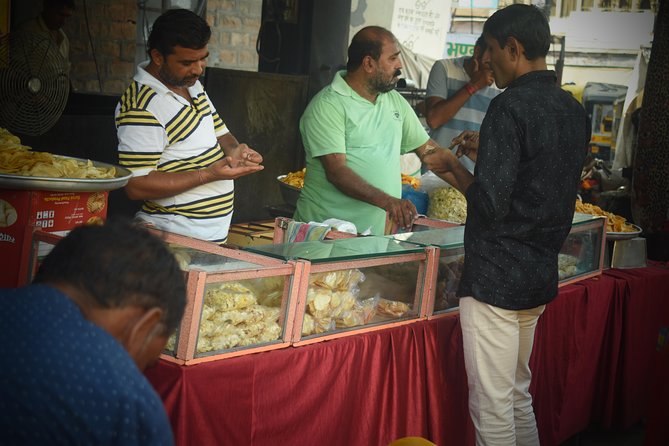
Several parts of the feedback describe food stops chosen for quality and cleanliness. The guide is also described as attentive to safety, especially during road crossings. Those are meaningful positives, since a good street-food guide should know more than what tastes good.
Still, you should take the hygiene question seriously. One account raised a strong concern about the balance between authenticity and cleanliness. Even if most of the stops are well chosen, street food is not a controlled restaurant setting, and conditions can vary.
I would carry hand sanitizer and tissues, even though they are not listed as included. Drink the bottled water provided or use sealed water, and tell the guide early if you have dietary restrictions or a low tolerance for spice. You can also ask which foods are freshly prepared and which are best avoided if you feel uncertain.
The provider requires good weather. If poor weather cancels the walk, you are offered another date or a full refund. That is useful in Jaipur, where a wet evening could make walking and eating outdoors less comfortable.
The guide makes the difference
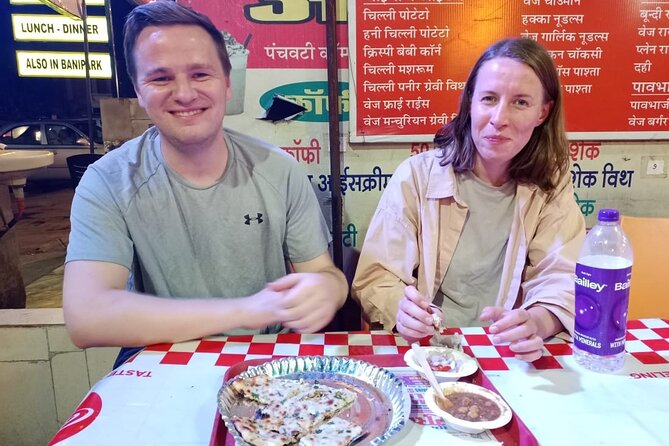
Abdul receives especially warm praise in the available feedback. He is described as friendly, funny, attentive, and well informed about food, history, architecture, and local trades. He is also credited with answering many questions and helping people move safely through the city.
That combination matters more than a long food list. A guide who can explain what you are eating, why the stall matters, and how the neighborhood fits together gives the walk a clear purpose. Abdul also seems to favor a relaxed, personal style, including playful humor and a prank at the first meeting.
That humor will not suit everyone. If you prefer a formal guide with a quiet introduction, say so early. The food walk is social, and a guide’s personality shapes the entire evening.
Guide assignments can change, so Abdul should not be treated as guaranteed unless the provider confirms him. Still, his style gives you a useful picture of what the experience aims to provide: conversation, local recommendations, stories, and help finding food you might not choose on your own.
Is $22 a fair price?
At $22, this is an inexpensive way to spend an evening in central Jaipur. The price includes bottled water and coffee or tea, while other food and drink expenses are not included. That last point deserves attention because the tour is built around multiple tastings.
The value depends on how many stops you make and how much food you buy or receive along the route. The supplied information does not promise unlimited tastings or a set meal, so budget a little extra for items beyond the included provisions.
Even with that limitation, the cost is reasonable if you value guidance and context. You are paying for route planning, local food judgment, cultural explanation, and support in streets that can be difficult to navigate alone. A self-guided walk may cost less, but it also leaves you guessing which stalls to trust and what you are eating.
The low price may also appeal to people who want to test Jaipur street food without committing to an expensive restaurant tour. Just remember that cheaper does not mean every personal expense disappears.
Who should book this walk?
I would recommend it to first-time visitors who want an easy introduction to Jaipur’s food and old city. It suits curious eaters, couples, families with older children, and anyone who prefers seeing a place on foot rather than from behind a vehicle window.
It is also useful for people who want local orientation at the start of a visit. You can pick up ideas for later meals, learn which flavors you enjoy, and see parts of the Pink City that you might otherwise pass without noticing.
You may want to skip it if you dislike street food, have serious dietary restrictions, need a quiet pace, or expect a luxury dining experience. It is also not the best choice for someone who wants a detailed, extended visit inside each listed landmark. The sights support the food route rather than replace it.
The mobile ticket is convenient, and the start point is near public transportation. The walk returns to Tripolia Gate, so you do not need to arrange a separate pickup at the end. Confirm the exact meeting instructions before leaving for the tour, since old-city gates and bazaars can be confusing.
Should you book Feast on the Streets?
Book this tour if you want a practical taste of Jaipur’s street food with a local guide, not simply a checklist of famous dishes. The strongest reasons to go are the range of food, the walk through Tripolia Bazar, and the chance to connect snacks with temples, architecture, trades, and everyday city life.
I would book it early in your Jaipur stay, arrive ready to walk, and bring sanitizer and a little extra money for food not included in the base price. Ask about dietary needs and the guide assignment in advance.
The main caution is simple: authenticity means less control over surroundings and hygiene than you get in a restaurant. If you accept that tradeoff, the $22 price makes this a solid introduction to Jaipur’s edible side.
FAQ
Where does the Jaipur food tour begin?
The tour begins at Tripolia Gate, Tripolia Bazar, Badi Choupad, J.D.A. Market, Pink City, Jaipur, Rajasthan 302002, India.
Where does the tour end?
The activity ends back at the meeting point at Tripolia Gate.
How long does the tour last?
The tour lasts approximately two hours and 30 minutes.
Which sights are included along the route?
The route includes Hawa Mahal, Govind Devji Temple, and Tripolia Bazar.
What food and drinks are included?
The experience includes tastings such as chaat, chole bhature, masala chai, and Indian sweets. Lassi is also highlighted in the food experience. Bottled water and coffee or tea are included.
Are all food and drink costs included in the price?
No. Your other food and drink expenses are not included, so you should bring extra money for purchases beyond the included bottled water and coffee or tea.
What happens if the weather is poor?
The experience requires good weather. If it is canceled because of poor weather, you will be offered another date or a full refund. You can also cancel for a full refund if you do so at least 24 hours before the start time.
Recently added around Jaipur
- Taj Mahal Entrance Ticket★ 5.0 · 3 reviews
- Agra’s Hidden Gems & Flavors on a Thrilling Tuk-Tuk Tour 3-4 Hrs★ 5.0 · 3 reviews
- Jaipur: Ajmer & Pushkar Day Trip with Lunch & Camel ride★ 4.3 · 3 reviews
- Spiritual Private Tour of Vrindavan and Mathura★ 3.0 · 3 reviews
- Jaipur: City Tour Full-Day Sightseeing with Guide★ 5.0 · 3 reviews
- Shop Agra Like a Local: Unique Indian Handicrafts Tour★ 5.0 · 3 reviews
- Agra: Taj Mahal and Agra Fort Private Guided Half-Day Trip★ 5.0 · 3 reviews
- From Jaipur: Taj Mahal Guided and Agra Tour By Car★ 5.0 · 3 reviews
Food & Drink, compared.

Guided Morning Bicycle Tour with Food Tasting in Jaipur
Read our review →

Street Food Walking Tour, Spice Market, & Tuk-tuk Ride
Read our review →
Jaipur@Twilight Guided Heritage City walk tour with Food Tasting
Read our review →Browse the lists this tour appears in