
Reviewed · MONKEY TEMPLE TOURS
Jaipur: Full-Day City Tour with Camel Ride and Monkey Temple
Jaipur packs royal forts, clever astronomy, sacred pools, and monkeys into one long day. This tour gives you a useful first look at the city, with Amber Fort and the 953-window Hawa Mahal doing most of the visual heavy lifting.
I like the mix of major sights and smaller experiences, especially the camel ride at Jal Mahal and the chance to see Galtaji Temple. I also like the flexible format: one guide once changed the plan to replace a canceled stop with another temple. The drawback is pace. Nine hours is tight, and the Monkey Temple entrance can involve a rough, steep walk.
In This Review
- Key points to know
- A long Jaipur day with a clear royal theme
- Amber Fort, Jaipur’s grand opening act
- Jal Mahal and the camel ride by Man Sagar Lake
- Lunch in the middle of a busy sightseeing day
- Hawa Mahal and its 953 small windows
- Jantar Mantar turns astronomy into stone
- Galtaji Temple, holy pools, and a lot of monkeys
- Shopping closes the day
- Guide quality can shape the whole experience
- Weather, pace, and practical planning
- Who should book this Jaipur tour
- Should you book it?
- FAQ
- How long does the Jaipur city tour last?
- What time does pickup begin?
- Where does hotel pickup take place?
- Which language is the tour conducted in?
- Is a camel ride included?
- Does the tour visit the Monkey Temple?
- What can you see at Jantar Mantar?
- Can you cancel the booking for a refund?
Key points to know
- Amber Fort leads the day: Allow time to study its gates, courtyards, defensive walls, and royal rooms rather than rushing through for photographs.
- Hawa Mahal is a quick but memorable stop: Its 953 small windows are best appreciated from outside, where the honeycomb-like facade fills your view.
- Jantar Mantar makes science visible: Huge stone instruments explain how Jaipur’s rulers tracked time, planets, and celestial positions.
- The camel ride adds local color: It takes place near Jal Mahal, beside Man Sagar Lake, and may be one of the day’s most unusual moments.
- Galtaji Temple is not an easy stroll: Monkeys, holy pools, and temple buildings reward a visit, but uneven stone and slopes call for sensible footwear.
- The guide matters greatly: English ability and flexibility can make this a fine introduction to Jaipur, while a rigid or hurried approach can weaken the day.
A long Jaipur day with a clear royal theme
The tour begins with hotel pickup at 8 AM and runs for about nine hours. You travel by vehicle between sights, with an English-speaking guide and driver handling the day’s route.
The plan has a sensible arc. You start with Jaipur’s fortified past at Amber Fort, move toward the water and royal collections around Jal Mahal, then visit the city’s most recognizable facade, its astronomical observatory, and a Hindu temple complex filled with monkeys. Lunch and shopping round out the schedule.
At $113 per person, this is not a bargain city walk. The price makes more sense if you want transport, a guide, several major sights, lunch, a camel ride, and a full-day structure in one booking. It is less compelling if you prefer to move slowly, choose your own restaurants, or spend most of a day at one monument.
More Monkey Temple visits:
- Jaipur Tuk Tuk Sightseeing Tour with Monkey Temple Sunset View
★ 5.0 · 108 reviews - Jaipur Guided Tour with Monkey Temple
★ 5.0 · 55 reviews - Jaipur: Private Evening Tour with Monkey Temple Sunset
★ 4.6 · 27 reviews
Amber Fort, Jaipur’s grand opening act
Amber Fort is the strongest historical stop on the route. Built by Rajput King Man Singh, the complex shows how defense and royal display worked together. Every gate, courtyard, and palace has a purpose, so this is not a place to race through with your camera raised.
Give your attention to the changes in the architecture as you move inward. Outer areas speak to protection and control, while the inner courtyards and palaces reflect court life and ceremony. The fort’s scale helps explain the power of Jaipur’s former rulers better than a quick photograph ever could.
This is where a good guide earns the fee. Names, dates, and architectural details can blur together, but a clear explanation turns the fort into a story. You can ask about the Rajput king who commissioned the defenses and about the uses of the different courtyards.
The main caution is time. Amber Fort is enormous, and a full tour can easily consume more of the day than planned. If you want photographs, quiet pauses, and detailed explanations, tell the guide early. The route may change according to your hotel location, and the schedule can become hurried later.
Jal Mahal and the camel ride by Man Sagar Lake
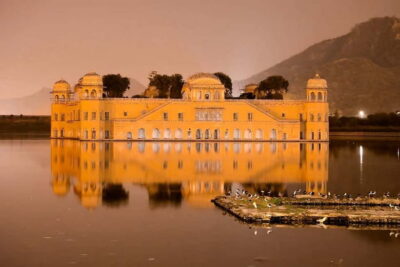
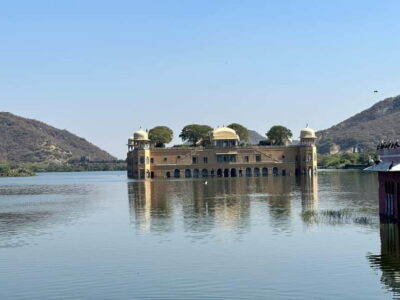
The next stop is Jal Mahal, or the Water Palace, set in the middle of Man Sagar Lake. The palace gives the day a different mood after the stone walls of Amber Fort. Here, water surrounds a royal building, creating one of Jaipur’s most familiar scenes.
The program includes a camel ride in this area. It is a short, distinctive break from monument viewing and gives you something tactile to remember beyond palace walls and old masonry. If you have never ridden a camel, expect a slower, swaying experience rather than a fast excursion.
The description also includes palace exhibits, with weapons, royal clothing, Mughal miniature paintings, antiques, and other paintings. These objects help connect the buildings to the people who used them. The value of this stop depends on how much time remains after Amber Fort and how the day’s route is arranged.
One point needs care: the order of places can change based on your hotel location. Ask the guide to confirm what you will see at Jal Mahal and how much time is set aside for the camel ride and exhibits. That simple question can prevent confusion if the schedule shifts.
Lunch in the middle of a busy sightseeing day
Lunch takes place at a local restaurant. The supplied details do not specify a set menu, restaurant name, or dietary arrangements, so ask before departure if you have food restrictions or strong preferences.
A meal break matters here because the tour covers a lot of ground. You will have already spent time at a large fort, then moved on to the lake and palace area. Lunch gives you a chance to sit down, review the afternoon plan, and tell the guide if you want more time at a particular sight.
Do not treat the meal as a major reason to book the tour. Its main value is convenience. If you want a carefully chosen culinary experience, you may prefer arranging your own meal. If you want the day to keep moving without planning another reservation, the included stop is practical.
More camel rides in Jaipur:
- Jodhpur: Overnight Stay in Desert with Camel Safari
★ 4.9 · 53 reviews - Fullday pushkar tour from jaipur with guid+camel/jeep safari
★ 4.4 · 12 reviews - Dazzling Half Day Camel & Desert Safari With Sunset & Dinner
★ 5.0 · 9 reviews - Camel Desert Safari with Sunset -The Pushkar Route
★ 5.0 · 8 reviews
Hawa Mahal and its 953 small windows
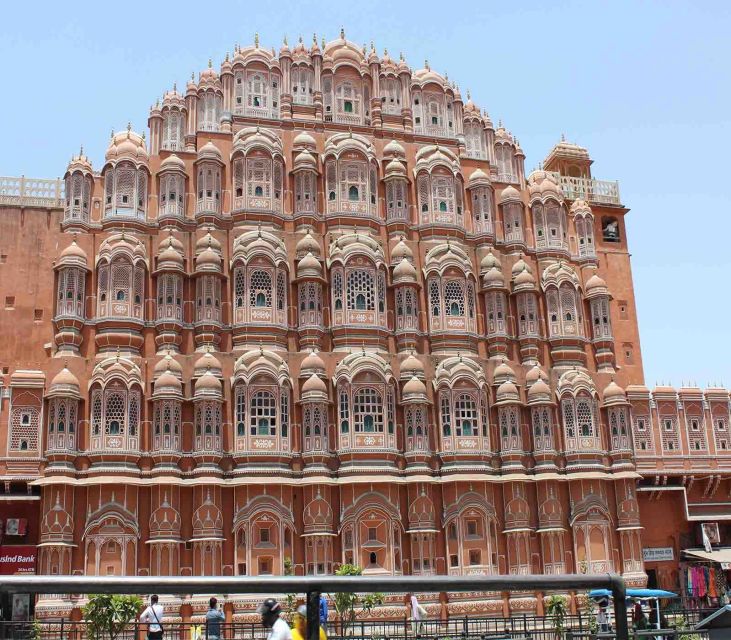
Hawa Mahal, known as the Air Palace, is Jaipur’s signature facade. Maharaja Sawai Pratap Singh, a Kachwaha ruler, built it with 953 small windows decorated with latticework.
The palace is famous for its delicate appearance, but the details are best viewed as part of the building’s design rather than as a simple photo stop. Look closely at the repeated windows and the crisscross patterns. From a distance, the facade looks almost weightless. Up close, the amount of careful work becomes clear.
This stop may be relatively brief compared with Amber Fort. That is not necessarily a flaw. Hawa Mahal’s most striking view comes from outside, and you can understand its main visual idea without spending several hours inside.
I would save a little energy for the guide’s explanation here. The building was created under a Kachwaha ruler, and its many windows are the feature that gives it both its name and its character. If the schedule feels rushed, ask for a short pause to take in the full front before moving on.
Jantar Mantar turns astronomy into stone
Jantar Mantar is a working lesson in old astronomical technology. Maharaja Jai Singh II built the site to make accurate observations of time, planets, and other celestial bodies.
Instead of reading about instruments in a book, you see large structures designed for measurement. The scale makes the science easier to grasp. Shadows, angles, and positions become physical things, not distant ideas.
This stop suits you if you enjoy the reason behind a building, not only its appearance. It also provides a useful contrast to the palaces. Amber Fort and Hawa Mahal show royal power through architecture, while Jantar Mantar shows a ruler’s interest in mathematics and the sky.
A guide can make a big difference here. Without explanation, some instruments may look like abstract stone forms. With clear help, you can understand how the site connected timekeeping with observations of the heavens. The tour is conducted in English, so confirm that the guide is explaining the instruments at the level you need.
Galtaji Temple, holy pools, and a lot of monkeys
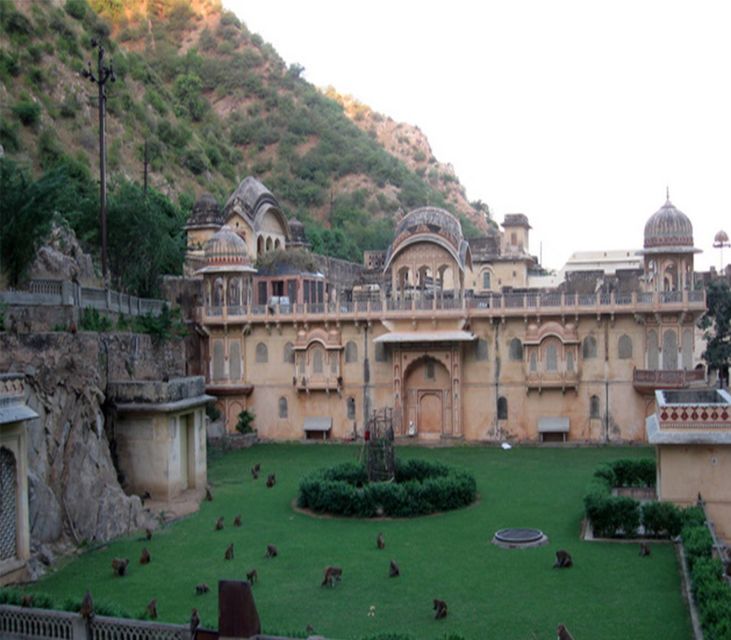
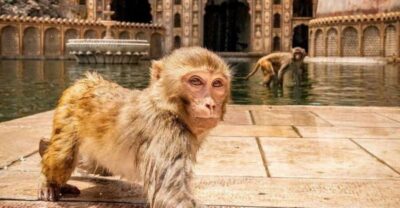
The final major sight is Galtaji Temple, commonly called the Monkey Temple. The complex has seven water pools filled with holy water, where Hindu followers come to bathe as part of a religious practice connected with washing away sins.
The monkeys are the obvious attraction, but they are only part of the place. The pools and temple setting give you a glimpse of living religious practice, rather than another royal monument built for court life. Be respectful around people bathing and keep your attention on where you step.
The approach deserves special notice. One entrance involves a steep slope made of uneven stones. It is not the easy, flat temple visit some people may expect from the name. Wear shoes with a firm sole, take your time, and be honest with the guide about how comfortably you handle slopes.
Food around monkeys can also create trouble. Do not scatter food on the ground. It can draw animals toward you and make the visit uncomfortable. The safest approach is to follow the guide’s instructions and keep food secured unless you are specifically told otherwise.
The route to Galtaji has also shown some flexibility. On one occasion, the guide took a guest to the Sun Temple on the monkey hill instead of the expected temple. That kind of change may be useful if weather, timing, or access affects the plan, but you should confirm which temple you are visiting before leaving the vehicle.
Shopping closes the day
The tour finishes with time to browse famous local shops before returning to your hotel. The description does not name particular stores or list expected purchases, so treat this as a general shopping stop rather than a guaranteed visit to a specific market.
Shopping can be useful after the monuments because you have had a full day to see Jaipur’s royal and religious side first. You may have a better sense of what interests you before looking at local goods.
Still, keep your expectations sensible. The amount of shopping time depends on how long Amber Fort, the temple, and the other stops take. If you want a serious buying session, tell the guide at the start and ask how much time can be protected for it.
Guide quality can shape the whole experience
The strongest version of this tour includes a guide who speaks English clearly, explains the sights, and adjusts the route when needed. One guide was described as humorous, easygoing, and able to suggest a replacement temple when City Palace was removed from the plan. That sort of flexibility is valuable in a nine-hour schedule.
The weaker version is a guide who seems disengaged, refuses to adjust the itinerary during rain, or hurries you through every attraction. Since the tour includes many stops, communication matters. Tell the guide what you care about most: detailed history, photography, religious sites, shopping, or the camel ride.
The itinerary does not include City Palace as a guaranteed stop. If that palace is important to you, ask before booking or at pickup. The guide may suggest another place, but you should not assume every major Jaipur monument fits into this route.
Weather, pace, and practical planning
The tour starts at 8 AM, which gives you a sensible chance to cover the major sights before the day runs out. The exact starting time should still be confirmed when booking, since availability controls the schedule.
Rain can affect the route and the comfort of the day. A previous outing became strained when the guest wanted an itinerary change during rain. I would raise weather concerns early rather than waiting until you are already at a monument.
The nine-hour length is both the tour’s strength and its warning label. You get a broad introduction to Jaipur, but you do not get unlimited time at any one sight. The order may change according to your hotel location, so think of the plan as a full-day framework rather than a minute-by-minute promise.
Free cancellation is available up to 24 hours before the activity for a full refund. You can also reserve now and pay later, which helps if your Jaipur plans are not fixed.
Who should book this Jaipur tour
I would recommend this experience to a first-time Jaipur visitor who wants the main sights arranged in one day. It suits you especially well if you value a driver, an English-speaking guide, a flexible route, and a mix of forts, architecture, astronomy, religion, animals, and shopping.
Families may enjoy the camel ride and monkeys, though the steep stone approach to Galtaji Temple deserves attention. The tour also suits curious adults who want context at Amber Fort and Jantar Mantar instead of only transport between photo stops.
I would hesitate if you dislike rushed sightseeing or want a quiet, detailed visit to each monument. The price is high for a day with mixed guide quality and a changeable itinerary. You should also think twice if a flat, easy route is important to you, since the Monkey Temple approach can be rough.
Should you book it?
Book this tour if you want a broad, convenient introduction to Jaipur and accept that the day will move quickly. Amber Fort, Hawa Mahal, and Jantar Mantar make the price easier to justify, while the camel ride and Galtaji Temple add variety.
Before confirming, ask three things: which sights are guaranteed, how much time is planned for shopping, and how the guide handles rain or a change in priorities. If you get clear answers and value flexibility, this can be a useful one-day overview. If you prefer depth and control, choose fewer sights and explore them at your own pace.
FAQ
How long does the Jaipur city tour last?
The tour lasts nine hours.
What time does pickup begin?
The stated pickup time is 8 AM. Your driver collects you from your hotel.
Where does hotel pickup take place?
Pickup takes place in your hotel lobby.
Which language is the tour conducted in?
The live tour guide speaks English.
Is a camel ride included?
Yes. The itinerary includes a camel ride near Jal Mahal, also known as the Water Palace.
Does the tour visit the Monkey Temple?
The planned visit is Galtaji Temple, also known as the Monkey Temple. The order or exact stops can change based on your hotel location and the day’s conditions.
What can you see at Jantar Mantar?
Jantar Mantar contains astronomical observation instruments built to study time, planets, and other celestial bodies.
Can you cancel the booking for a refund?
Yes. You can cancel up to 24 hours in advance for a full refund. You can also reserve the activity and pay later.
More Full-Day in Jaipur
- Jaipur: Private Full Day Sightseeing Tour By Car with Guide
★ 4.9 · 1,839 reviews - Jaipur: Private Full-Day Sightseeing Tour by Tuk-Tuk
★ 4.8 · 573 reviews - Jaipur: Full-Day City Tour with Car, Guide & Skip-the-Line
★ 4.8 · 512 reviews - Full-Day Jaipur Private Sightseeing Tour by Car with Guide
★ 5.0 · 472 reviews
Recently added around Jaipur
- Taj Mahal Entrance Ticket★ 5.0 · 3 reviews
- Jaipur: Ajmer & Pushkar Day Trip with Lunch & Camel ride★ 4.3 · 3 reviews
- Spiritual Private Tour of Vrindavan and Mathura★ 3.0 · 3 reviews
- Agra’s Hidden Gems & Flavors on a Thrilling Tuk-Tuk Tour 3-4 Hrs★ 5.0 · 3 reviews
- Jaipur: City Tour Full-Day Sightseeing with Guide★ 5.0 · 3 reviews
- Shop Agra Like a Local: Unique Indian Handicrafts Tour★ 5.0 · 3 reviews
- Agra: Taj Mahal and Agra Fort Private Guided Half-Day Trip★ 5.0 · 3 reviews
- From Jaipur: Taj Mahal Guided and Agra Tour By Car★ 5.0 · 3 reviews
Monkey Temple Tours, compared.

Jaipur Tuk Tuk Sightseeing Tour with Monkey Temple Sunset View
Read our review →
Jaipur sightseeing tour with monkey temple (Galta ji temple)
Read our review →
Abhaneri & Bhangarh Day Trip – Car, Guide, Lunch & Monkey Temple
Read our review →
Private Full-Day Jaipur Guided Tour with Monkey Temple
Read our review →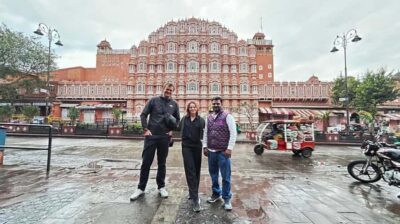
Browse the lists this tour appears in