
Reviewed · JHALANA LEOPARD SAFARIS
Jaipur: Jhalana Amagarh Leopard Reserve 4×4 Jeep Safari
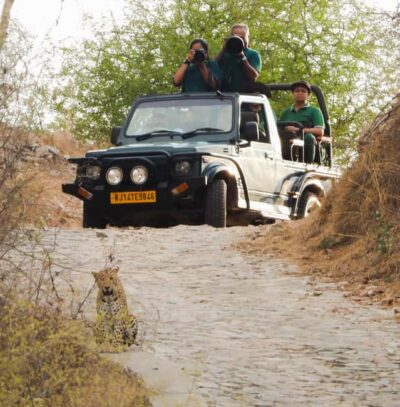
Leopards live surprisingly close to Jaipur’s city streets, in the rocky Aravali Hills at Jhalana Amagarh Leopard Reserve. That contrast is the real thrill: one minute you are leaving your hotel in an air-conditioned car, and soon you are bumping along a forest track watching for a spotted cat in the scrub.
I like the easy hotel pickup and drop-off, especially when a safari starts before sunrise or ends after sunset. I also like the chance to see wildlife without giving up a full day to a distant national park. The trade-off is simple: you may spend 2.5 hours searching and never see a leopard. That is not a fault in the booking, but it matters if a big-cat sighting is your main reason for going.
In This Review
- Key points to know before booking
- Why a leopard reserve inside Jaipur is worth your time
- From your Jaipur hotel to the forest gate
- What happens during the 2.5-hour jeep safari
- The animals you might actually see
- Choosing morning or afternoon
- The guides, drivers, and quality of the ride
- Is the $60 price good value?
- What to bring and what to expect
- Who should book this safari?
- Should you book Jhalana Amagarh?
- FAQ
- Where is Jhalana Amagarh Leopard Reserve?
- How long does the safari last?
- Are leopard sightings guaranteed?
- What is included in the $60 price?
- Is the elephant village visit included?
- What should I bring?
Key points to know before booking
- The reserve is inside Jaipur: You can reach the forest in roughly 30 minutes from some hotels, making this a practical half-day outing.
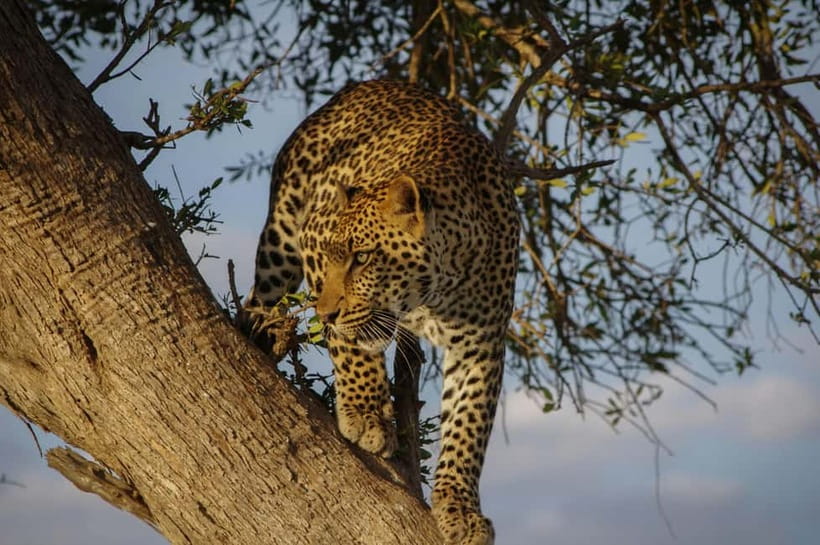
- Leopards are the main attraction: The reserve has more than 70 leopards and five cubs, but sightings remain a matter of luck.
- Wildlife goes beyond big cats: You might see striped hyenas, chital, nilgai, sambar, jackals, foxes, mongooses, peacocks, owls, and reptiles.
- Timing affects comfort: Winter mornings can feel very cold in the open jeep, while hot weather may reduce leopard activity.
- The driver matters: Guides and drivers such as Ashok, Yogesh, Ganesh, Singh, and VT Singh have been praised for spotting animals and positioning the jeep.
- The elephant option needs care: It is separate from the safari, costs extra, and activity charges are not included in the base experience.
Why a leopard reserve inside Jaipur is worth your time
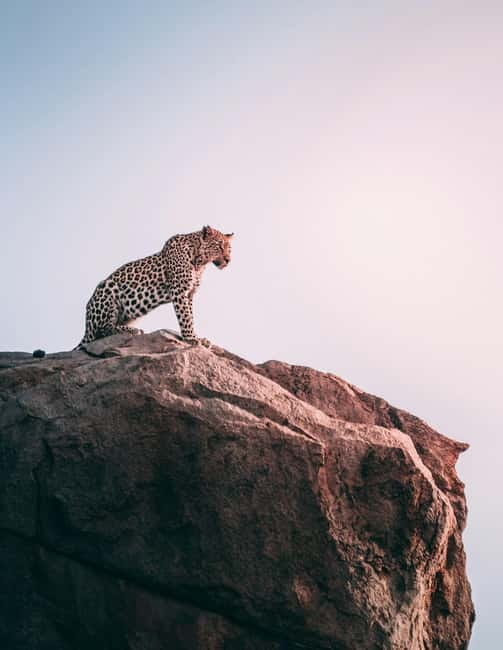
Jhalana Amagarh is not a remote wilderness trip. It is a city escape, with the Aravali Hills forming a dry, rocky setting for the reserve. The park protects a patch of habitat where leopards share space with smaller predators, deer, birds, and reptiles.
That location gives the safari a useful place in a Jaipur itinerary. You can see the City Palace, Amber Fort, and other major sights on one day, then spend a few hours in the forest on another. I find that balance more appealing than squeezing every attraction into a single packed sightseeing loop.
The reserve is described as India’s first leopard reserve. Its central appeal is not a parade of animals at fixed viewing points. You are looking into thorny brush, across tracks, and toward water sources while the guide studies signs that may be easy for you to miss.
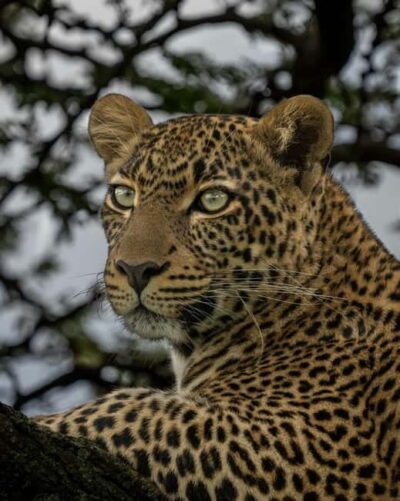
The reserve currently has more than 70 leopards and five cubs. That is a healthy reason to be hopeful, but it does not turn wildlife into a scheduled performance. Some outings produce close leopard sightings, while others produce hyenas, deer, birds, or nothing more than a quiet ride through the trees.
More Safaris in Jaipur
- From Jaipur: Ranthambore National Park Day Trip with Safari
★ 4.6 · 244 reviews - Jhalana Panther Safari Park Tour in Jaipur
★ 4.5 · 127 reviews - SkyWaltz Hot Air Balloon Safari
★ 5.0 · 117 reviews
From your Jaipur hotel to the forest gate
Pickup is available from your hotel or another location in Jaipur, with return to the same place after the safari. The transfer vehicle is air-conditioned, and tolls, parking, taxes, park entry, and a water bottle are included.
This part of the arrangement earns its keep when you have an early departure. You do not need to find the reserve on your own, arrange a separate taxi, or worry about getting back after the forest drive. Several drivers have been praised for arriving on time, communicating clearly, and driving carefully. Singh and Vinay receive particularly strong praise for punctuality and hospitality, while Rajendra has been singled out for taking excellent care of a solo visitor.
The ride itself can also become part of the day. Drivers have sometimes suggested nearby stops, including the Monkey Temple, especially when time allowed. Treat these as possible extras, not guaranteed parts of the safari. The official experience is the reserve and transport, not a full Jaipur sightseeing tour.
If you are traveling alone, the private transfer is a useful comfort. The safari vehicle arrangement depends on the option you choose, so check the exact seating before paying. One account describes three people per row in an SUV, with the middle seat feeling cramped. That may matter more than you expect when you are carrying a camera and spending several hours on rough tracks.
What happens during the 2.5-hour jeep safari
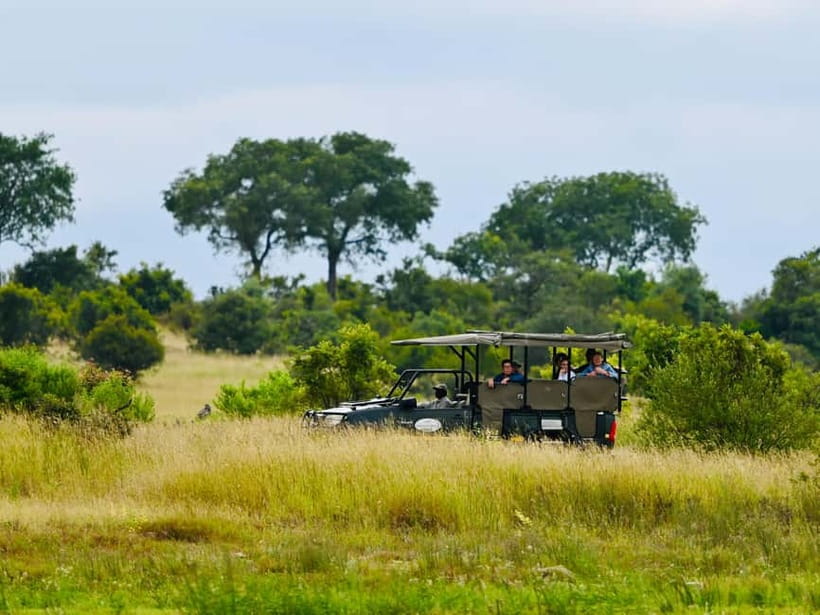
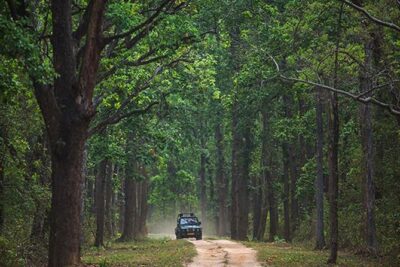
At the reserve, you switch to a 4×4 jeep, often called a Gypsy, built for uneven forest roads. The actual safari lasts about 2 hours 15 minutes to 2 hours 45 minutes, with the wider outing taking roughly 3.5 to 8 hours depending on your pickup time, transfer, and any added option.
The ride is active but not extreme. You will travel off-road over rough ground, so wear comfortable clothes and expect some bouncing. The open vehicle gives you a better view than a closed car, but it also exposes you to cool air, sun, dust, and wind.
The main task is waiting and watching. Your guide may slow down near signs of wildlife, check the brush, or stop near a waterhole. Ashok has been praised for spotting a leopard pair with a cub, while Ganesh is described as an experienced driver who knows the reserve closely. Yogesh has also received strong praise for tracking leopard and hyena sightings.
Good positioning makes a real difference. A leopard may be present but nearly invisible until it shifts in the grass or steps toward water. Several outings produced close views, including one at sunset when a leopard emerged to drink. Other sightings included two leopards together, a leopard near the road, and a pair with a cub.
You should also expect pauses that lead nowhere. One outing spent too long waiting for a sleeping hyena to wake up. That is part of watching wild animals, but a guide who explains the reason for a stop can make the wait more rewarding. Some visitors found that guides spoke mainly to local passengers, leaving English-speaking passengers unsure about what was happening. If you have questions, ask directly and early.
The animals you might actually see
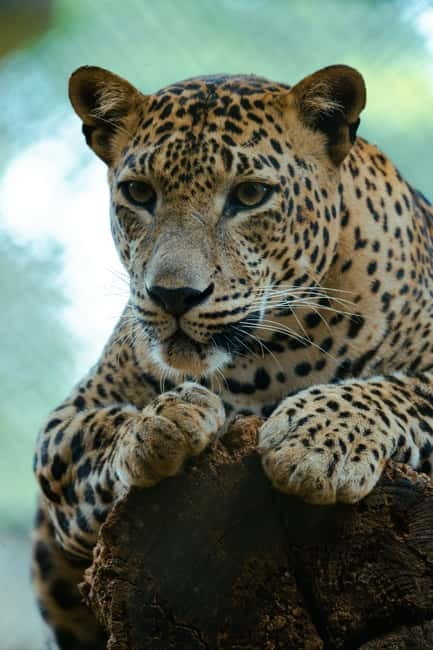
Leopards are the headline, but I would not judge the trip only by the cats. The reserve supports a good range of animals for a short outing near a major Indian city.
Striped hyenas are among the more unusual possibilities. They are elusive and may be seen resting, moving through the scrub, or appearing briefly before disappearing. A sighting of one can be just as memorable as a distant leopard, especially if you care about less familiar species.
The reserve also has Indian civets, desert cats, jungle cats, desert foxes, jackals, porcupines, jungle rats, monitor lizards, and mongooses. These animals will not appear on every drive, and some are most active at different times of day. The point is to keep scanning rather than stare at one patch of brush.
Hoofed animals add movement to the ride. You may see sambar deer, spotted deer called chital, and blue bull, or nilgai. Wild boar and antelope have also appeared during drives. Peacocks are common enough to be a regular highlight, while owls and other birds reward anyone who brings binoculars.
If a leopard does not appear, these smaller encounters help carry the experience. I recommend treating the safari as a search for the reserve’s wildlife, with leopards as the prize, rather than treating every other animal as a consolation.
More Jhalana leopard safaris:
- Exclusive Safari at Jhalana Leopard Park Including Transfers
★ 4.5 · 23 reviews - Safari In Jhalana Leopard Conservation Reserve, Jaipur
★ 3.5 · 21 reviews - Jaipur: Jhalana/Amagarh leopard safari private tour
★ 3.8 · 21 reviews - Jaipur to Jhalana Leopard reserve Private Day Trip All Inclusive
★ 5.0 · 16 reviews
Choosing morning or afternoon
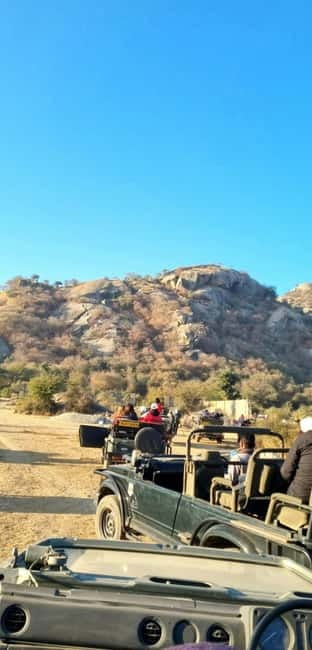
The available times vary, so you need to check the schedule when booking. The practical choice is between comfort, light, and animal activity.
Winter mornings can be sharply cold in the open jeep. One visitor went out in late February expecting warm Jaipur weather and needed a jumper, jacket, and hat. If you choose an early departure between November and February, dress for the moving air, not just the temperature outside your hotel.
The afternoon or sunset option can be more comfortable in winter. One visitor who tried two morning safaris and an afternoon outing found the afternoon more productive for leopard viewing. Another saw a leopard emerge at sunset near a watering hole.
That is not a guarantee that afternoons always win. Hot days can make leopards less active, and one March outing found the heat reduced movement. Still, if you dislike cold mornings, the later safari may be the better fit.
Photography also favors the later light at times, though the animals control the schedule. Bring a camera and binoculars. Your guide may help position the jeep and even help you frame phone photos, but you should not expect the conditions of a controlled wildlife enclosure. Animals can be partly hidden, far away, or gone before the vehicle arrives.
The guides, drivers, and quality of the ride
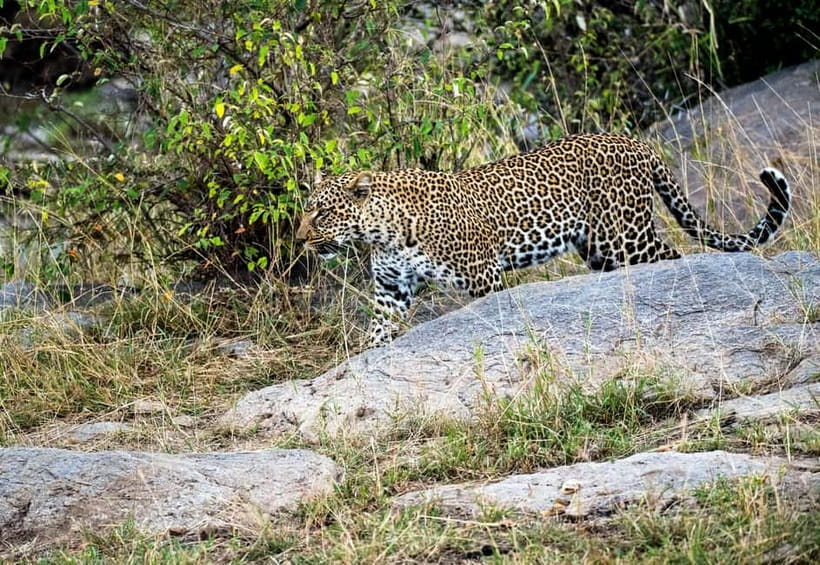
The strongest part of this experience is often the human service around the wildlife search. Drivers such as Vinay, Singh, Uday, and Rajendra have been praised for punctual pickups, safe driving, useful Jaipur advice, and clear communication. That is valuable when you are tired, unfamiliar with Jaipur roads, or traveling alone.
Inside the reserve, the guide and safari driver are separate from the Jaipur transfer driver. The best results come when they work patiently, know the tracks, and can read small signs of animal movement. Ashok, Ganesh, Yogesh, and VT Singh have each been praised for finding leopards or other wildlife.
Vehicle comfort is generally a plus, and several outings describe the jeep as comfortable and in good condition. But this is still a forest vehicle, not a luxury ride. The rough tracks can be bumpy, and cramped seating may affect how easily you photograph or move your legs.
Language can be uneven. English and Hindi are listed, but not every guide explains the park equally well in English. If natural history matters to you, ask the guide to explain the reserve, animal behavior, and reasons for stopping. Otherwise, you may receive a good sighting but little context.
Is the $60 price good value?
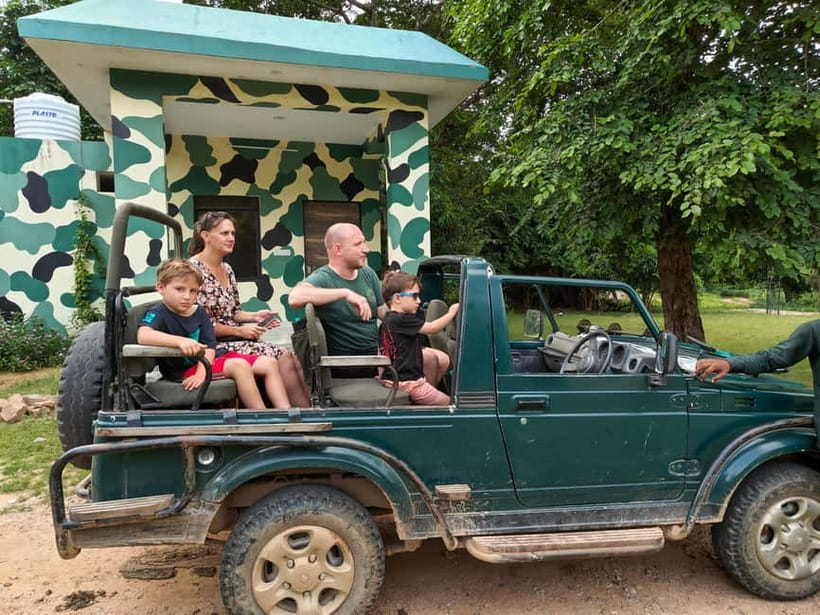
At $60 per person, the experience is priced as a convenient package rather than simply a park entry ticket. You are paying for hotel transfers, a private booking structure, an air-conditioned vehicle, park entry, the 4×4 safari, taxes, tolls, parking, and coordination.
I think that is fair value if you want an easy outing from Jaipur. The transfer removes hassle, and a good spotter can make a real difference in a reserve where animals hide in dense scrub. For a first visit, the convenience may be worth more than the money saved by arranging separate transport.
There is a budget alternative. Park entry itself is described as inexpensive, so you could compare the package price with taking a taxi to the reserve and arranging the safari directly. That makes sense if you are confident handling local transport and want to keep costs low.
The price becomes less appealing if you expect a guaranteed leopard, a private jeep with lots of personal space, or a detailed English wildlife lecture. None of those should be assumed. You are paying for access and a serious search, not a promised photograph.
Be cautious with the elephant village option. It is not included in the basic safari, and elephant activities cost extra. One account describes high charges and pressure to choose a paid interaction. If you add this option, ask exactly what is included and what each activity costs before agreeing.
What to bring and what to expect
Wear comfortable clothing suited to an open vehicle. For winter mornings, add a warm layer, hat, and jacket. For warmer departures, protect yourself from sun and bring water, although a bottle is included.
A camera is obvious, but binoculars may be even more useful. Leopards often stay at a distance or in cover, and binoculars let you inspect movement without relying on a phone zoom.
Smoking is not allowed. The activity is not suitable for people with animal allergies. You also need to send your passport by WhatsApp or email after booking so the operator can obtain park entry.
The reserve is operated by the Government Forest Department. Rules and access are therefore tied to forest management, not simply to the tour company. Follow the guide’s instructions, keep your voice low near animals, and avoid expecting the vehicle to force a close approach.
Cancellation is flexible if your plans change: you can cancel up to 24 hours in advance for a full refund. You can also reserve now and pay later, which is useful when your Jaipur schedule is not fixed.
Who should book this safari?
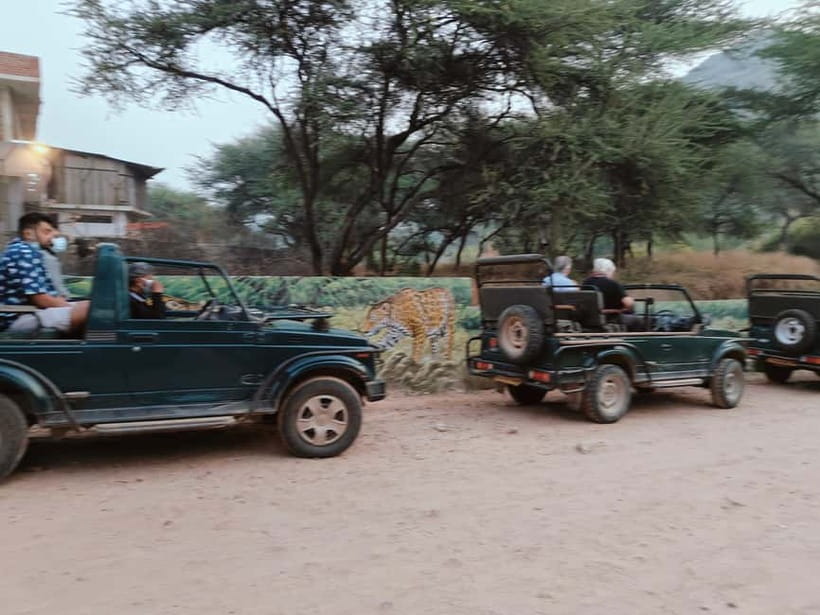
I would choose this for a first visit to Jaipur when you want a taste of Indian wildlife without leaving the city for a full national-park trip. It suits photographers, families who enjoy animal watching, solo visitors who value hotel transport, and anyone who likes a quiet morning or sunset outdoors.
It is also a good match if you can accept uncertainty. The best outings may bring several leopard sightings, a cub, hyena, deer, and peacocks. Another day may bring birds and antelope but no leopard at all.
I would hesitate if you have only one chance and need a guaranteed big-cat encounter. I would also compare the price with direct park arrangements if you are on a tight budget, and I would confirm seating if you are tall or carrying bulky camera gear.
Should you book Jhalana Amagarh?
Yes, if you want a convenient, reasonably priced wildlife outing close to Jaipur and you understand that nature sets the timetable. The reserve’s location, the range of possible animals, and the strong record of punctual transfer drivers make it an attractive add-on to a city visit.
For the best odds of a satisfying day, consider an afternoon or sunset departure in winter, bring warm clothes for early mornings, and ask your guide to explain what they are tracking. Book this for the forest experience first and the leopard second. If the cat appears, you may get the kind of close, quiet sighting that stays with you. If it does not, you can still have a worthwhile ride through Jaipur’s wild side.
FAQ
Where is Jhalana Amagarh Leopard Reserve?
The reserve is in Jaipur, Rajasthan, India, among the Aravali Hills. The experience includes pickup and drop-off from your hotel or another location in Jaipur.
How long does the safari last?
The 4×4 safari inside the reserve lasts about 2 hours 15 minutes to 2 hours 45 minutes. The full activity takes about 3.5 to 8 hours, depending on the selected starting time and arrangements.
Are leopard sightings guaranteed?
No. Leopards cannot be guaranteed, and there is no refund if you do not see one. You may still see hyenas, deer, nilgai, wild boar, foxes, jackals, mongooses, peacocks, and other wildlife.
What is included in the $60 price?
The package includes hotel pickup and drop-off by private vehicle, an air-conditioned transfer vehicle, park entry, the 4×4 safari, tolls, parking, taxes, and a water bottle. A private safari in a 4×4 Gypsy applies if that option is selected.
Is the elephant village visit included?
It is included only if you choose the relevant option. Elephant activities are not included in the base experience, and personal expenses, food, and drinks are also excluded.
What should I bring?
Bring a camera, binoculars, water, and comfortable clothing. If you take an early safari in winter, bring warm layers because the open jeep can feel very cold. Smoking is not allowed.
Recently added around Jaipur
- Taj Mahal Entrance Ticket★ 5.0 · 3 reviews
- Jaipur: Ajmer & Pushkar Day Trip with Lunch & Camel ride★ 4.3 · 3 reviews
- Spiritual Private Tour of Vrindavan and Mathura★ 3.0 · 3 reviews
- Agra’s Hidden Gems & Flavors on a Thrilling Tuk-Tuk Tour 3-4 Hrs★ 5.0 · 3 reviews
- Jaipur: City Tour Full-Day Sightseeing with Guide★ 5.0 · 3 reviews
- Shop Agra Like a Local: Unique Indian Handicrafts Tour★ 5.0 · 3 reviews
- Agra: Taj Mahal and Agra Fort Private Guided Half-Day Trip★ 5.0 · 3 reviews
- From Jaipur: Taj Mahal Guided and Agra Tour By Car★ 5.0 · 3 reviews
Jhalana Leopard Safaris, compared.
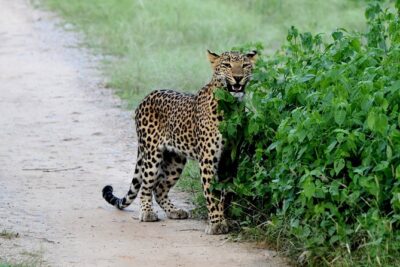
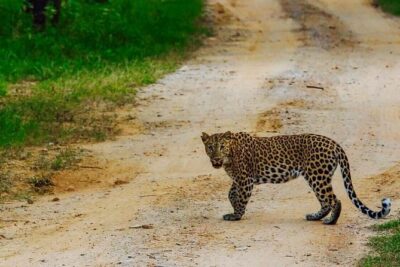
Exclusive Safari at Jhalana Leopard Park Including Transfers
Read our review →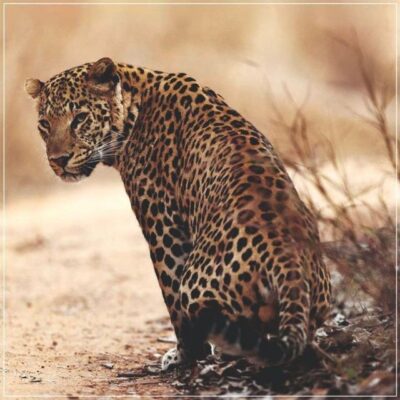
Safari In Jhalana Leopard Conservation Reserve, Jaipur
Read our review →
Jaipur to Jhalana Leopard reserve Private Day Trip All Inclusive
Read our review →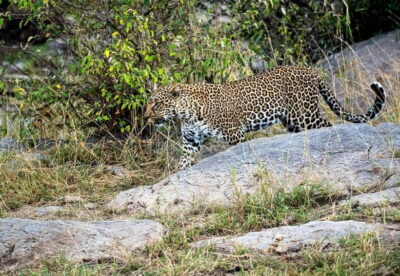
Browse the lists this tour appears in