
Reviewed · JHALANA LEOPARD SAFARIS
Jhalana Panther Safari Park Tour in Jaipur
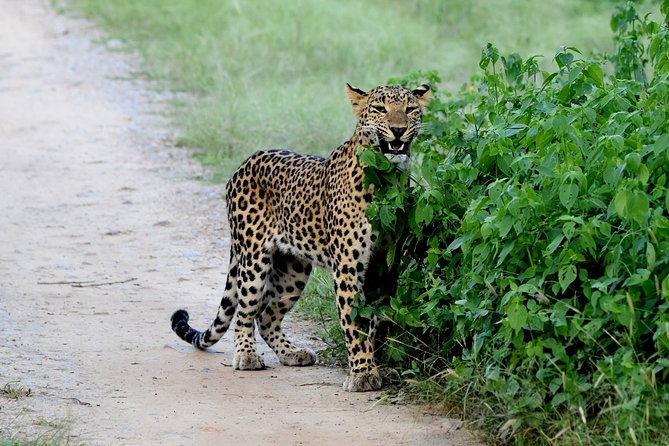
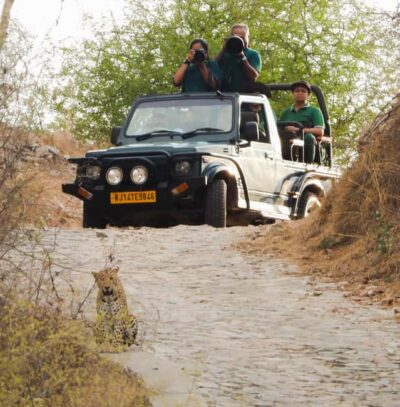
Jhalana Panther Safari gives you a real chance to see a free-ranging leopard just outside Jaipur, not a staged animal show. The best moments come when your driver hears of a sighting and moves the open 4×4 toward it, as happened when one driver hurried guests to another vehicle’s panther sighting. You may see two sleeping leopards at a distance, or none at all.
I like the small maximum group of six and the fact that permits, permit handling, the interpretation center, and still-camera fees are included. I also like the 2.5-hour schedule, which fits neatly into a Jaipur day. The main caution is simple: there is no guaranteed leopard, and some departures can feel crowded or poorly managed.
In This Review
- Key points at a glance
- What Jhalana Panther Safari is really like
- From Jaipur streets to the forest gate
- Following the dirt tracks inside Jhalana
- The leopard question
- Other animals can save a quiet safari
- Morning or afternoon: choosing your timing
- How much value do you get for $45?
- What the vehicle and group size mean
- The interpretation center and included fees
- Who should book this safari?
- My booking advice for Jhalana
- Should you book Jhalana Panther Safari?
- FAQ
- Where does the Jhalana Panther Safari start?
- How long does the safari last?
- Is hotel pickup included?
- What animals can I see?
- Will I definitely see a leopard?
- Is the vehicle open?
- How many people can join the tour?
- Are safari permits and camera fees included?
- What should I wear?
Key points at a glance
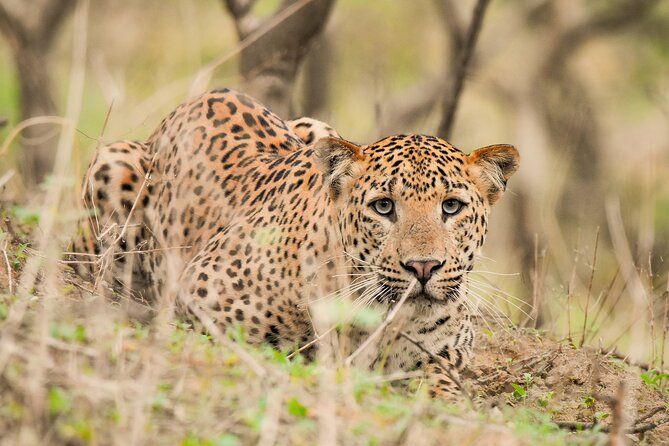
- Free-ranging leopards: Jhalana offers a genuine wildlife search, so sightings depend on luck, season, and animal behavior.
- Open 4×4 safari: You ride through the reserve in an open vehicle with a naturalist and a driver watching for wildlife.
- Close to Jaipur: This urban forest makes a safari possible without leaving the city for a full day.
- Morning or afternoon timing: Choose the departure that best fits your sightseeing plans, though animal activity can vary.
- Six-person maximum: The advertised vehicle limit is useful, but shared seating arrangements may require a short wait.
- Season matters: Winter can fall to 2 degrees Celsius, summer is hot, and monsoon grass can make leopard spotting harder.
What Jhalana Panther Safari is really like
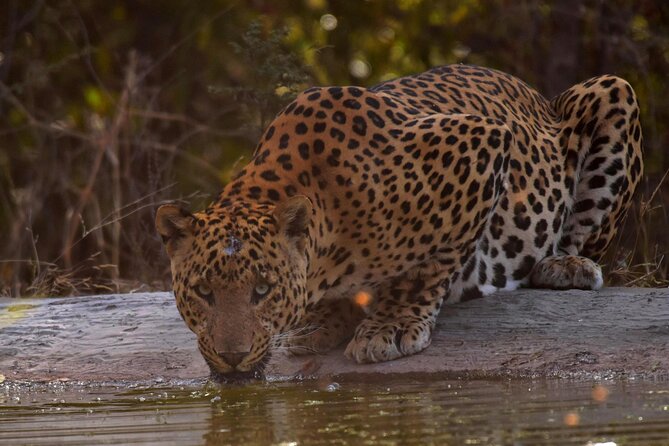
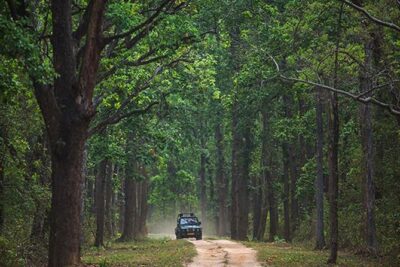
Jhalana is a small forest reserve in the middle of Jaipur, spread across about 23 square kilometers. It is not a vast African-style wilderness or a polished national park with endless paved roads. You follow dirt tracks, often toward waterholes, while the driver and naturalist scan for movement.
That urban setting is part of the appeal. You can add a wildlife outing to a Jaipur visit without spending a whole day on the road. It also shapes the experience: the reserve can feel compact, and several safari vehicles may gather when an animal is spotted.
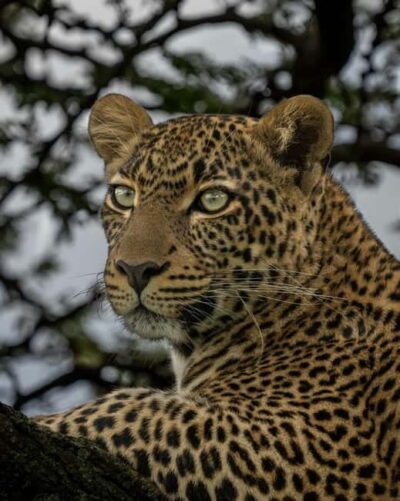
The main target is the Indian leopard, often called a panther in local tour language. Jhalana is also home to hyenas, desert foxes, birds, and other animals. You might spend long stretches looking at small signs of life rather than watching a large animal in the open. That is normal for a wildlife safari, but it is important to set your expectations before paying.
The tour lasts about two and a half hours. You travel in an open 4×4, with a driver and naturalist providing commentary and looking for animals. The experience is about searching, not following a fixed parade of attractions.
More Safaris in Jaipur
- From Jaipur: Ranthambore National Park Day Trip with Safari
★ 4.6 · 244 reviews - SkyWaltz Hot Air Balloon Safari
★ 5.0 · 117 reviews - Jaipur: Jhalana Amagarh Leopard Reserve 4×4 Jeep Safari
★ 4.5 · 97 reviews
From Jaipur streets to the forest gate
The meeting point is World of Wilders on Central Road, inside the Malviya Nagar Industrial Area. The listed address places it near the Jhalana safari operations and Amagarh Panther Safari area.
Pickup is offered within about 5 miles, or 8 kilometers, of the park entrance. If your hotel is farther away, a round-trip transfer upgrade costs $35. Check the exact pickup arrangement before booking, because the standard meeting point and the paid transfer option are not the same thing.
Transportation to the entry gate is provided in an open 4×4. That is practical, but it also means weather matters from the moment you leave the city. Rain can make the open vehicle uncomfortable, while cold mornings can feel sharp even before the safari begins.
At the gate, your driver lets you know which naturalist will accompany you. The safari vehicle then enters the reserve, and the search begins. Afterward, you return to the meeting point or receive the arranged hotel drop-off if your transfer includes it.
One point deserves careful attention: the experience is described in some places as private, but the vehicle limit and operating details point to a shared safari setup in some cases. A group of up to six is allowed, and shared seating may mean waiting 5 to 10 minutes for the vehicle to fill. If having the 4×4 to yourself matters, confirm that directly before booking.
Following the dirt tracks inside Jhalana
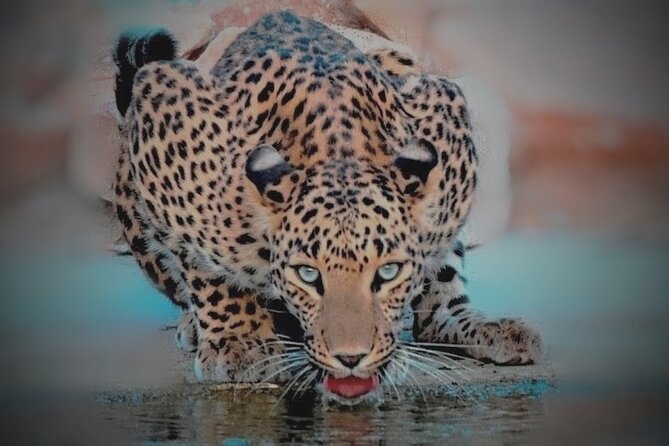
The safari route consists largely of unpaved forest roads and stops near man-made waterholes. These water sources can draw animals, making them useful places to pause, but they also mean several vehicles may gather in the same area.
Your driver does much of the practical spotting. Good drivers watch for alarm calls, movement in the grass, tracks, and the locations being shared by other vehicles. One strong feature of this operation is the willingness to move when another vehicle reports a panther. That can turn a quiet drive into the best moment of your morning or afternoon.
The naturalist adds context about animals and birds. The quality of English commentary may vary, so do not assume you will receive a long, polished nature talk in English. Some people have found the guide communication limited, while others have had a driver who pointed out animals carefully and gave them time for photographs.
That difference may come down to the individual guide and the day’s conditions. If you care about detailed English interpretation, state that need clearly when arranging the tour. If your main goal is simply to search for wildlife with help from a local team, the experience may work well.
The leopard question
You book this safari for a leopard, but you should not treat a sighting as part of the ticket. Leopards roam freely, hide well, and choose where they want to be. A two-and-a-half-hour search can end with a leopard in view, a distant sleeping animal, or no leopard at all.
The strongest sightings can be memorable. One outing produced two leopards, although they were sleeping and quite far away. Another included a wild leopard feeding on a dead deer. Those are unusual scenes, and they show why the safari can be worth the gamble.
At other times, you may spend the full safari without seeing a leopard. A driver can work hard for the entire 2.5 hours and still come up empty. That is not a failed wildlife experience by itself, but it can feel disappointing if you have paid mainly for one animal.
Season makes a real difference. From July through September, rain brings thicker grass and a greener forest, but the vegetation can make animals harder to spot. Monsoon conditions have also caused uncomfortable rides when guests were picked up in an open jeep during rain.
The reserve is said to have a high leopard sighting rate, but a high probability is not a promise. I would book this as a chance to see a leopard, not as a leopard viewing appointment.
More Jhalana leopard safaris:
- Exclusive Safari at Jhalana Leopard Park Including Transfers
★ 4.5 · 23 reviews - Safari In Jhalana Leopard Conservation Reserve, Jaipur
★ 3.5 · 21 reviews - Jaipur: Jhalana/Amagarh leopard safari private tour
★ 3.8 · 21 reviews - Jaipur to Jhalana Leopard reserve Private Day Trip All Inclusive
★ 5.0 · 16 reviews
Other animals can save a quiet safari
The outing is not only about large cats. You might see hyenas, desert foxes, birds, and other wildlife. A good driver can make these smaller sightings matter by slowing down and giving you time to study them.
That is where the naturalist is especially useful. The forest may look quiet at first, but careful watching can reveal birds, tracks, movement in the grass, or an animal near a waterhole. Several hours of patient searching can become rewarding even without the main target.
Still, the experience varies sharply. Some departures have produced plenty of animals, while others have seen very little of interest. The reserve is an urban forest with dirt roads and managed waterholes, so you should not expect untouched wilderness or dramatic scenery at every turn.
The strongest approach is to treat the safari as a nature outing with a leopard possibility. If you need a guaranteed animal encounter, choose a different type of attraction. If you enjoy the uncertainty of looking for wildlife, Jhalana has a reasonable place in a Jaipur itinerary.
Morning or afternoon: choosing your timing
You can choose a morning or afternoon departure. The right choice depends on the rest of your Jaipur plans, since the safari takes roughly two and a half hours plus the time needed to reach the gate.
Morning departures may suit you if you want cooler temperatures and a full day afterward. They can also work well if you are hoping to see animals before the heat of the day. The available information does not promise better sightings at a particular hour, so avoid booking one time solely because you expect a guaranteed leopard.
Afternoon departures may fit better after a late start or a morning visit to Jaipur’s monuments. In summer, however, the heat can be a serious factor. The open vehicle offers little shelter, and the park can feel exposed.
Winter brings the opposite problem. Temperatures can fall as low as 2 degrees Celsius, especially when you are moving in an open vehicle. From November through February, wear warm layers rather than relying on Jaipur’s daytime sunshine.
For April through June, bring a hat and sunglasses. During July and August, wear full-length clothing to reduce mosquito exposure. Rain is limited in the region, but a wet safari in an open jeep is still a very different experience from a dry one.
How much value do you get for $45?
At $45 per person, the price covers more than a ride. Safari permits, permit management, admission, a visit to the interpretation center, and the still-camera fee are included. That makes the cost easier to judge because several mandatory items are already bundled in.
You are also paying for the possibility of a rare sighting in a reserve close to Jaipur. If you see a leopard at a useful distance, the price can feel fair. If you spend two hours seeing little wildlife, the same price may seem high, especially if you expected a private vehicle and an English-speaking naturalist.
The $35 transfer upgrade is separate for pickups and drop-offs beyond the stated 8-kilometer range from the entrance. That can be worthwhile if your hotel is far from the meeting point, but it changes the total cost quickly for one person.
I see the best value here for someone who wants a convenient wildlife outing and accepts uncertainty. The value is weaker for anyone who expects a luxury safari, a private vehicle by default, or guaranteed close views of a leopard.
The experience is booked, on average, 35 days ahead. That suggests you should reserve early if the safari is important to your schedule, especially during a short Jaipur stay. Since the booking is non-refundable and cannot be changed, check the date, meeting point, pickup radius, and season before committing.
What the vehicle and group size mean
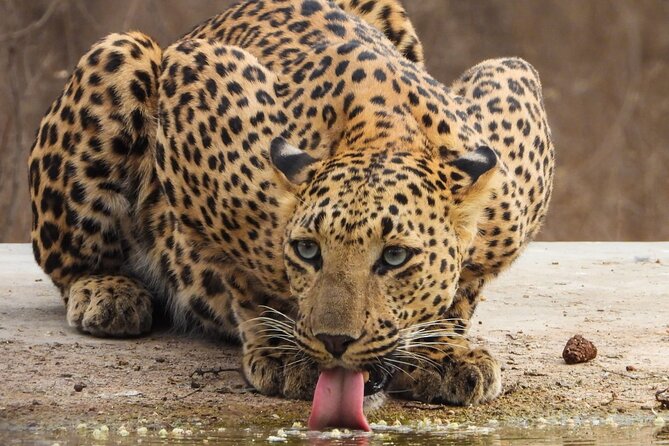
The open 4×4 gives you a better view than a closed vehicle. You can look across the scrub, watch birds above the track, and take photographs without glass between you and the forest.
The tradeoff is exposure. Cold air, hot sun, rain, dust, and mosquitoes are all part of the setup. Dress for the month, not just the forecast you see for Jaipur’s city center.
The maximum group size is six. That is small enough to keep the vehicle from becoming a large tour bus, and it gives most people a reasonable chance to look out from the sides. Yet shared seating can still create awkward moments if a large family or mixed group arrives at the same time.
If you need extra room for camera equipment or want a guaranteed window-side position, ask how seating is assigned. The operation has acknowledged that shared vehicles can require a short wait while seats are filled. A little flexibility at the gate will help.
The interpretation center and included fees
The interpretation center is included in the outing. It gives you a useful place to get basic context about the reserve and its animals, though the supplied details do not specify how long the visit lasts or what displays are inside.
Still-camera fees are included, which is a practical benefit. Many wildlife outings add a camera charge at the gate, so having it covered keeps the final cost clearer. The inclusion does not guarantee good photographic conditions. Leopards may be far away, hidden in grass, sleeping, or visible for only a short time.
Bring patience more than expensive equipment. A driver who spots a distant leopard or a small bird can help you get a better view, but the open vehicle and natural setting cannot provide zoo-like close-ups.
Who should book this safari?
I would recommend Jhalana to you if you have at least half a day in Jaipur, enjoy uncertain wildlife outings, and want to stay near the city. It also suits photographers who are happy to photograph birds, foxes, and forest scenes while hoping for a leopard.
Families and first-time safari visitors may appreciate the short duration and small vehicle limit. The experience is also practical if you want something different from forts, palaces, and markets.
I would hesitate if you have only one chance to see a leopard and need a certain result. I would also think twice if you dislike open vehicles, extreme temperatures, rough dirt tracks, or waiting near other safari vehicles.
The tour can work for most participants, but people with specific mobility needs should confirm arrangements directly. The available details say most people can participate, but they do not provide a full accessibility description.
My booking advice for Jhalana
Book early if you want a particular morning or afternoon slot, but do not book until you understand the non-refundable terms. Confirm whether your hotel falls within the free pickup area and whether the vehicle will be shared.
For the best chance of a satisfying outing, choose your season with care. Winter requires warm clothing. Summer calls for a hat and sunglasses. Monsoon brings greener surroundings but thicker grass and a lower chance of spotting a leopard.
I would also ask one direct question before paying: Is the naturalist assigned to this departure able to provide commentary in English? The answer matters because the quality of communication has varied.
Should you book Jhalana Panther Safari?
Book it if you want a convenient, reasonably priced wildlife search near Jaipur and can accept that the leopard may remain hidden. The included permits, camera fee, small group limit, and flexible departure times make the outing easy to fit into a city visit.
Skip it if your idea of a safari means constant animal sightings, untouched wilderness, or a guaranteed big cat. Jhalana can produce a wonderful leopard moment, but it can also give you two quiet hours on dirt tracks and a few smaller sightings. That uncertainty is the honest price of seeing a wild animal on its own terms.
FAQ
Where does the Jhalana Panther Safari start?
The listed meeting point is World of Wilders on Central Road, inside the Malviya Nagar Industrial Area in Jaipur, Rajasthan.
How long does the safari last?
The experience lasts approximately 2 hours and 30 minutes. Some direct descriptions refer to the safari itself as lasting about two hours, so allow the full 2.5 hours for the activity.
Is hotel pickup included?
Free pickup is available within about 5 miles, or 8 kilometers, of the park entrance. Pickup and drop-off beyond that area cost $35.
What animals can I see?
The reserve is home to leopards or panthers, hyenas, desert foxes, birds, and other wildlife. Sightings are not guaranteed.
Will I definitely see a leopard?
No. Leopards are free-ranging, and you may see one, see one at a distance, or see none during the safari.
Is the vehicle open?
Yes. Transportation and the safari take place in an open 4×4 vehicle.
How many people can join the tour?
The activity has a maximum of six participants. Shared seating may sometimes require a wait of 5 to 10 minutes while the vehicle fills.
Are safari permits and camera fees included?
Yes. Safari permits, permit management, admission, the interpretation center visit, and still-camera fees are included.
What should I wear?
From November through February, bring warm clothing because temperatures can drop to about 2 degrees Celsius. From April through June, wear a hat and sunglasses. During the July and August rainy period, full-length clothing is recommended to help avoid mosquitoes.
Recently added around Jaipur
- Taj Mahal Entrance Ticket★ 5.0 · 3 reviews
- Jaipur: Ajmer & Pushkar Day Trip with Lunch & Camel ride★ 4.3 · 3 reviews
- Spiritual Private Tour of Vrindavan and Mathura★ 3.0 · 3 reviews
- Agra’s Hidden Gems & Flavors on a Thrilling Tuk-Tuk Tour 3-4 Hrs★ 5.0 · 3 reviews
- Jaipur: City Tour Full-Day Sightseeing with Guide★ 5.0 · 3 reviews
- Shop Agra Like a Local: Unique Indian Handicrafts Tour★ 5.0 · 3 reviews
- Agra: Taj Mahal and Agra Fort Private Guided Half-Day Trip★ 5.0 · 3 reviews
- From Jaipur: Taj Mahal Guided and Agra Tour By Car★ 5.0 · 3 reviews
Jhalana Leopard Safaris, compared.
Exclusive Safari at Jhalana Leopard Park Including Transfers
Read our review →
Safari In Jhalana Leopard Conservation Reserve, Jaipur
Read our review →
Jaipur to Jhalana Leopard reserve Private Day Trip All Inclusive
Read our review →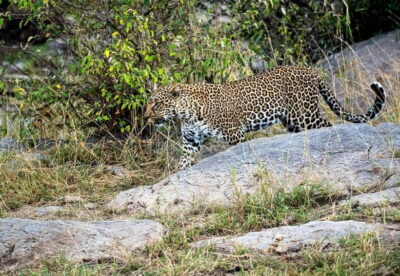
Browse the lists this tour appears in