
Reviewed · PINK CITY TOURS
Culture and Heritage Walk | Pink City Jaipur
Jaipur’s best stories are often found away from palace interiors, in the lanes where shopkeepers sell metalware, jewelry, sweets, and everyday goods. This three-hour walk brings you into that working Pink City, with stops at Hawa Mahal, Bapu Bazar, Tripolia Bazar, and Johri Bazaar, plus local food and stories that are easy to miss on your own. I like the market focus, and I like the small-group limit of 10, which should make it easier to ask questions and keep together. The main drawback is that Hawa Mahal is only an outside photo stop, and the short scheduled stops may feel rushed if you want to shop.
I also like the evening option, when the old city takes on a softer look and the walk can include tea, street food, rooftop views, and local shops. Guides such as Deepak, Ayush, Aayush, and Harshit have led versions of this walk, though the assigned guide can vary. Plan for uneven streets, traffic, crowds, and a fair amount of walking, since this is a city experience rather than a seated sightseeing tour.
In This Review
- Key points at a glance
- Why this walk gets closer to everyday Jaipur
- Starting near Bapu Bazar and Golcha Cinema
- Hawa Mahal, a five-minute street lesson
- Bapu Bazar and Jaipur’s village connections
- Tripolia Bazar, metalwork and devotional objects
- Johri Bazaar and Jaipur’s jewelry trade
- Food stops that make the walk feel local
- Stories, temples, and the value of a local guide
- What three hours really means on this route
- Is $20 a fair price?
- Who should book this Jaipur walk?
- FAQ
- Where does the Culture and Heritage Walk start?
- Where does the walk finish?
- How long does the tour last?
- How much does the experience cost?
- Is Hawa Mahal visited inside?
- Which markets are included?
- What can you see at Tripolia Bazar?
- What is Johri Bazaar known for?
- How large is the group?
- Is cancellation available?
- Should you book it?
Key points at a glance
- A market-first view of Jaipur: Spend your time around Bapu Bazar, Tripolia Bazar, and Johri Bazaar rather than only looking at monuments.
- Hawa Mahal from the street: You get a short history lesson and photo stop, but no interior visit.
- Local food is part of the flavor: Jaipur snacks, sweets, tea, and long-running food stalls are central to the experience, though the price of food is not specified.
- Small groups help: The maximum group size is 10, useful in narrow lanes and busy markets.
- Guides vary by departure: Deepak, Ayush, Aayush, and Harshit have led walks, and the experience is also described as being led by a female guide.
- Good value at $20: For three hours of local orientation, market context, and food stops, the price is sensible, especially early in a Jaipur visit.
Why this walk gets closer to everyday Jaipur
Jaipur is famous for grand forts, painted gateways, and royal residences. Those sights matter, but they tell only part of the city’s story. This walk shifts attention to the places where Jaipur still works every day: markets, workshops, food counters, religious spaces, and old streets that can look almost village-like beside the city’s formal architecture.
I see the value in that approach. You are not simply moving from one photo stop to the next. You are using the markets to understand what Jaipur makes, sells, eats, and worships. A guide can explain why jewelry became such an important trade in the Pink City, point out products brought in from nearby villages, and give meaning to objects that might otherwise look like ordinary merchandise.
The tour is also designed for first-day use. It can help you get your bearings before you return to the old city alone. You will hear local stories, learn which goods Jaipur is known for, and get a first look at the city’s architecture and street life. That is useful preparation for later shopping or independent wandering.
The experience lasts about three hours and costs $20 per person. At that price, the strongest value is not entrance to a major monument. There is no paid monument entry listed. The value is the guide’s local interpretation, the route through several markets, and access to small corners you might not confidently enter without help.
More Walking Tours in Jaipur
- Jaipur Bazaar & Food Walking Tour
★ 5.0 · 281 reviews - Heritage Walk & Street Food Tasting in Jaipur
★ 5.0 · 158 reviews - Magical Walk of Jaipur
★ 5.0 · 121 reviews
Starting near Bapu Bazar and Golcha Cinema
The walk begins at Golcha Cinema on Chaura Rasta Road, near New Gate and Bapu Bazar in the Pink City. This is a practical meeting point because it places you right beside the old city’s market area rather than outside the historic core.
You should arrive ready to walk and keep your phone charged. The ticket is mobile, and confirmation is provided at booking. Public transportation is nearby, and the walk ends back at the same meeting point, so you do not need to arrange a separate pickup from another part of Jaipur.
The group limit is 10 people. That is a useful number for a market walk. A group much larger than that would be harder to keep together around shop fronts and narrow streets, while a group of 10 still gives you the social feel of a shared outing.
The exact tone can depend on the guide. Deepak has led walks that included curious details about city life and places that are not obvious from the main road. Ayush and Aayush have also guided versions of the route, and Harshit has led an evening walk. The experience is described as being led by a female guide, so check the assigned guide if that matters to your booking decision.
Hawa Mahal, a five-minute street lesson
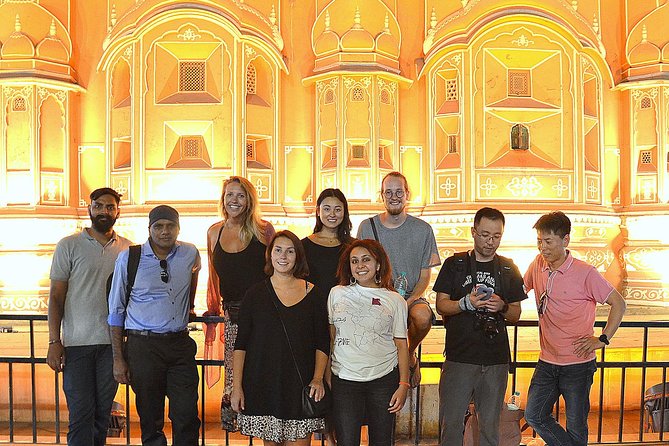
The first stop is Hawa Mahal, the Palace of Wind. You see it from outside, hear some of its history, and have time for photographs. The scheduled stop is only about five minutes, so set your expectations correctly: this is an introduction, not a palace visit.
That short stop makes sense as a starting point. Hawa Mahal is one of Jaipur’s clearest visual symbols, and seeing it from the street gives you an immediate sense of the old city’s design. A guide can add context that a quick photograph cannot provide, then move you into the markets where the city’s daily life is easier to see.
The limitation is obvious. If you want to inspect the interior, walk through the palace, or spend time studying the famous windows, you will need a separate visit. This tour gives you a quick outside view only.
It is worth having your camera ready before you arrive. The stop is brief, and the walk is built around movement rather than a long pause at each major landmark.
Bapu Bazar and Jaipur’s village connections
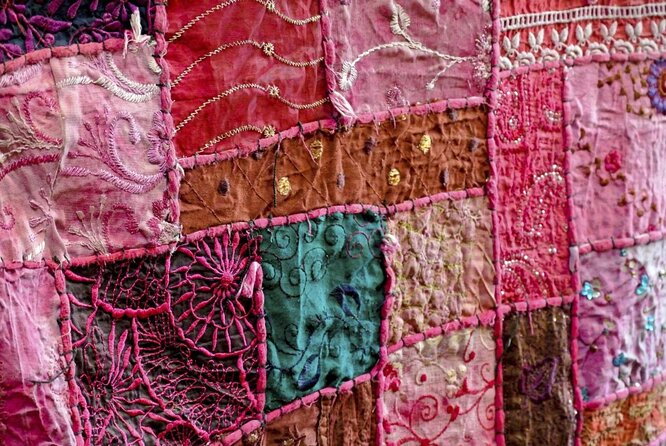
Bapu Bazar receives about 15 minutes on the stated route. The guide points out goods and art associated with Jaipur, including products coming from villages nearby. That detail gives the market more meaning than a simple shopping stop.
You may see the market as a place to buy souvenirs, but the useful part is learning what the objects represent and where they come from. Jaipur’s craft identity is tied to both the city and the surrounding region. A guide can help you separate a product with a local connection from something that could have been made anywhere.
Fifteen minutes is enough for an introduction, not a serious shopping session. If you find textiles, crafts, or other goods you want to compare, make a note of the shop or return later. The walk is not designed to give you unlimited browsing time or a long bargaining lesson.
Bapu Bazar is also a good place to notice the contrast between Jaipur’s tourist face and its ordinary commercial life. Shops are not arranged as a museum display. They serve local needs as well as visitors, and that makes the street feel more grounded.
More Pink City walks:
- Pink City Cooking Class
★ 5.0 · 452 reviews - Private Jaipur Full One Day Tour In Pink City With Guide
★ 5.0 · 322 reviews - Private Jaipur Pink City Tour by Car & Driver with a Tour Guide
★ 5.0 · 104 reviews - Jaipur Heritage Evening Walk – The Twilight Magic of Pink City
★ 5.0 · 93 reviews
Tripolia Bazar, metalwork and devotional objects
Tripolia Bazar is known for antiques, utensils, locks, and metal products used in worship. The scheduled stop is about 15 minutes, but the subject itself can open a wide window onto Jaipur’s traditions.
A lock or household utensil may look like a small object, yet it can tell you about local work, trade, and design. Religious metal goods add another layer. They are not merely decorative souvenirs. They are connected to daily ritual and the way faith appears in homes, shrines, and temples.
This is one of the more distinctive parts of the walk because it moves beyond the usual jewelry and textiles. You get to see products tied to practical life and religious practice. If you have an interest in traditional objects, ask the guide how they are used and whether they are made in Jaipur or brought from nearby areas.
Again, the short stop has a tradeoff. You get a useful introduction to the market, but you may not have time to inspect every stall. Keep your attention on the guide’s explanations first, then return later if a particular object catches your eye.
Johri Bazaar and Jaipur’s jewelry trade
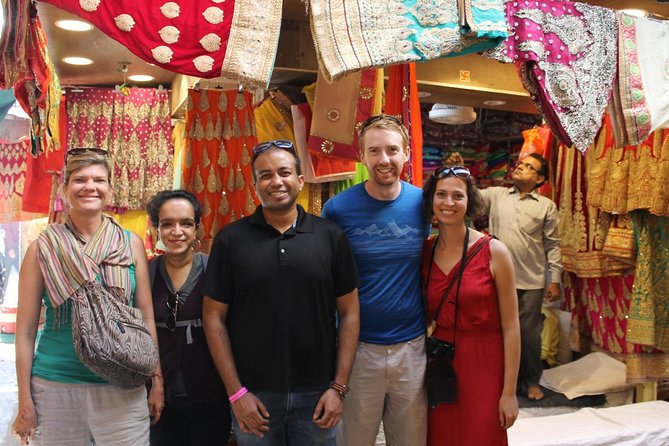
Johri Bazaar is the final named market stop and the place to learn about jewelry, one of the Pink City’s oldest economic trades. The market is described as roughly 150 years old, giving this part of the walk a strong connection to Jaipur’s commercial past.
You do not need to be planning a jewelry purchase to find this stop useful. The guide can explain how the trade shaped the city and why Johri Bazaar became such an important center. You will also gain some context before entering jewelry shops on your own, though the walk should not be treated as a buying service or appraisal.
Fifteen minutes is a compact visit for such a large subject. If you are serious about shopping, take notes, compare prices independently, and do not feel pressured to buy during the walk. The main benefit here is orientation and background, not a guaranteed bargain.
For many people, Johri Bazaar will be the most visually memorable market stop. It connects Jaipur’s appearance, wealth, craftsmanship, and trade in one place. The guide’s explanation helps turn a row of shops into part of the city’s story.
Food stops that make the walk feel local
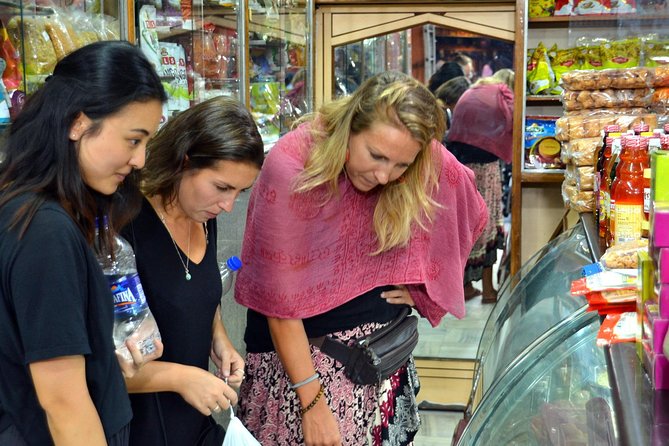
Food is a major part of the experience. The walk focuses on snacks and sweets from legendary old-city shops, including food stalls said to have been running for more than 50 years. The route may also include tea and small bites at places you would be unlikely to find without local help.
This is where the walk can feel most personal. A fort tells you about royal power. A sweet shop tells you what people actually eat and return to over time. Jaipur’s food traditions are presented as part of the city’s identity, not as a separate restaurant outing.
The exact food included is not specified, so you should not assume the $20 covers every snack or drink. Bring some small spending money if you want to taste items along the way. If you have dietary restrictions, ask the guide before eating, since the available food details are limited.
Evening departures may be especially appealing for this part of the route. The old city can look calmer and more attractive under lights, and the timing may suit visitors who spend the hotter part of the day at indoor sights. Still, the tour requires good weather, so poor conditions can lead to a changed date or a refund.
Stories, temples, and the value of a local guide
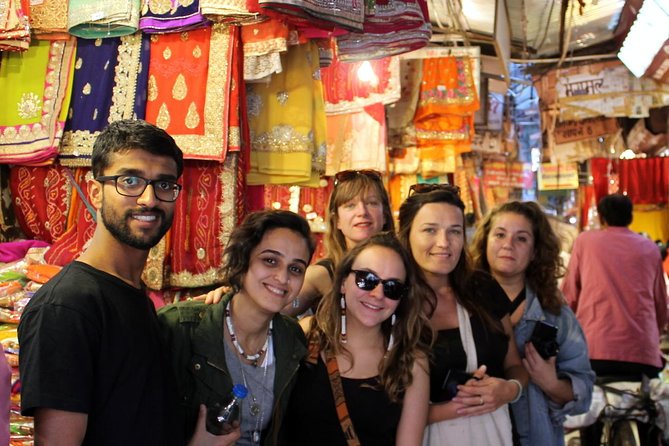
The walk is not limited to the four named markets. Its wider purpose is to explain Jaipur through architecture, religious buildings, local traditions, products, and stories. The description also points to temples and the heritage of the old city, so expect the guide to connect individual streets with larger themes.
A good guide matters here because much of the experience is easy to miss. A locked doorway, a small shrine, a shop selling unfamiliar metal goods, or a quiet lane may not announce its importance. The guide supplies the reason to pause.
Deepak’s route has included places that are difficult to stumble across alone, while Ayush is known for explaining small details and finding traditional snack stops. Aayush has also guided walks that combine city history, daily life, and less obvious lanes. These details suggest a tour shaped by the guide’s personality, rather than a rigid monument checklist.
That can be a strength, but it also means the exact experience may vary. If you want a precise script and fixed set of interior visits, this is not the best fit. If you prefer to ask questions and follow local details, the flexible feel should work well.
What three hours really means on this route
Three hours is enough to sample the Pink City, not to cover all of Jaipur. The four named stops alone have short scheduled visits, and walking time, questions, food, and unscheduled discoveries fill the rest.
You should think of this as a guided introduction to a small part of the old city. It gives you a framework for returning later, especially if you want to shop, eat, or explore the markets more slowly. It does not replace a full Jaipur sightseeing day that includes major palaces and forts.
The pace may feel long if you are not comfortable walking or if you prefer extended time at monuments. Most people can participate, and the activity is near public transportation, but the supplied details do not promise special mobility arrangements. Wear practical shoes and expect ordinary old-city conditions rather than a polished museum route.
The small group helps, but it cannot remove traffic, crowds, or market congestion. Stay close to the guide, especially when crossing busy streets or moving between stalls.
Is $20 a fair price?
At $20 per person, this is a reasonable purchase if you value local explanation. You are paying for about three hours, a small group of up to 10, a route through four well-known parts of the Pink City, and food and cultural context that would be difficult to organize efficiently on your first attempt.
The value is strongest when you book it near the start of your Jaipur stay. You can use the advice and orientation later, return to markets that interest you, and recognize the difference between a quick tourist stop and an area with deeper local importance.
The value is weaker if your main goal is entering Hawa Mahal or spending a long time shopping. Hawa Mahal is outside only, the market stops are brief, and food costs are not clearly included. In that case, you may prefer a private shopping guide or a separate palace visit.
Free cancellation is available if you cancel at least 24 hours before the start time. Changes or cancellations inside that window are not accepted for a refund. The activity can also be changed or refunded if bad weather or too few bookings prevent it from running.
Who should book this Jaipur walk?
I would choose this for a first visit, especially if you want to understand Jaipur beyond its headline monuments. It suits people who like food, markets, crafts, architecture, local stories, and a little unscripted wandering.
It is also a good match if you are staying near the Pink City and want a compact three-hour activity. The starting point is central to the old city, and the return to the same location keeps the plan simple.
You may want to skip it if you dislike walking, have only a short tolerance for markets, or need guaranteed access to indoor monuments. Shoppers should also treat the tour as research rather than a dedicated buying trip.
FAQ
Where does the Culture and Heritage Walk start?
It starts at Golcha Cinema on Chaura Rasta Road, near New Gate and Bapu Bazar in Jaipur’s Pink City.
Where does the walk finish?
The activity ends back at the meeting point.
How long does the tour last?
The walk lasts approximately three hours.
How much does the experience cost?
The listed price is $20 per person.
Is Hawa Mahal visited inside?
No. The tour views Hawa Mahal from the outside, provides some history, and stops for photographs.
Which markets are included?
The named market stops are Bapu Bazar, Tripolia Bazar, and Johri Bazaar.
What can you see at Tripolia Bazar?
The walk focuses on antiques, utensils, locks, and metal products used in worship.
What is Johri Bazaar known for?
Johri Bazaar is known for jewelry and is described as around 150 years old.
How large is the group?
The activity has a maximum of 10 travelers.
Is cancellation available?
Yes. You can cancel for a full refund up to 24 hours before the experience starts. Poor weather or too few bookings can also lead to a different date or a full refund.
Should you book it?
Book this walk if you want Jaipur explained through its markets, food, crafts, and daily traditions rather than only through palaces. The strongest reasons are the local food stops, the small group, and the chance to enter streets and shops you might otherwise pass without understanding.
I would book it early in a Jaipur visit, preferably when the timing suits an evening stroll. Just remember what you are buying: a guided introduction to the Pink City, not a palace tour, full-day sightseeing program, or guaranteed shopping bargain. For $20, that is a fair trade if you want context, local flavor, and a better sense of how Jaipur works.
More History Tours in Jaipur
- Private Full-Day Sightseeing Tour of Jaipur’s Heritage by Car
★ 5.0 · 110 reviews - Nahargarh Water Walk – Guided 2-Hour Heritage Tour in Jaipur
★ 5.0 · 89 reviews - Jaipur Heritage Walking Tour – Local life, Havelis and Temples
★ 5.0 · 72 reviews - Jaipur@Twilight Guided Heritage City walk tour with Food Tasting
★ 5.0 · 67 reviews
More Heritage Walks in Jaipur
- Jaipur Heritage Walk with Rickshaw Ride
★ 5.0 · 105 reviews - Jaipur Heritage Walk – Artisans | Bazaars | Culinary | Temples (Awarded)
★ 5.0 · 12 reviews - Feel Jaipur Like a Local with Guide & Old City Heritage Walk
★ 5.0 · 5 reviews - Jaipur No Shopping Guided Sightseeing Tour with Heritage Walk
★ 5.0 · 4 reviews
Recently added around Jaipur
- Taj Mahal Entrance Ticket★ 5.0 · 3 reviews
- Jaipur: Ajmer & Pushkar Day Trip with Lunch & Camel ride★ 4.3 · 3 reviews
- Spiritual Private Tour of Vrindavan and Mathura★ 3.0 · 3 reviews
- Agra’s Hidden Gems & Flavors on a Thrilling Tuk-Tuk Tour 3-4 Hrs★ 5.0 · 3 reviews
- Jaipur: City Tour Full-Day Sightseeing with Guide★ 5.0 · 3 reviews
- Shop Agra Like a Local: Unique Indian Handicrafts Tour★ 5.0 · 3 reviews
- Agra: Taj Mahal and Agra Fort Private Guided Half-Day Trip★ 5.0 · 3 reviews
- From Jaipur: Taj Mahal Guided and Agra Tour By Car★ 5.0 · 3 reviews
Pink City Tours, compared.

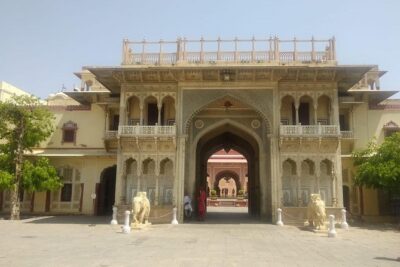
Private Jaipur Full One Day Tour In Pink City With Guide
Read our review →
Private Jaipur Pink City Tour by Car & Driver with a Tour Guide
Read our review →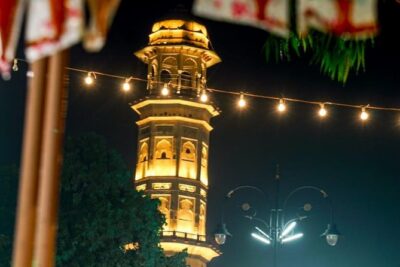
Jaipur Heritage Evening Walk – The Twilight Magic of Pink City
Read our review →
Pink City Private 2 day TukTuk Tour with Free Pickup.
Read our review →
Pink city private Day Tour by Tuk Tuk with English speaking driver..
Read our review →
Browse the lists this tour appears in