

Reviewed · HISTORICAL TOURS
Jaipur Heritage Walk – Artisans | Bazaars | Culinary | Temples (Awarded)
Jaipur’s best stories are often found away from its grand forts. This 2.5-hour walk takes you through the Pink City’s planned streets, family-run workshops, bridal shopping lanes, food markets, and old neighborhoods where daily work still follows long family traditions. The metal beaters and sealing-wax bangle makers are the real stars.
I like the way the walk connects Jaipur’s design with ordinary city life. I also like the small tastes along the route, including Mohanthal and a hot cup of masala chai. Guides such as Nidhi and Ani are praised for clear storytelling, calm pacing, and helping visitors handle Jaipur’s lively traffic and narrow lanes.
The main thing to consider is its compact schedule. You cover many places in 2 hours and 30 minutes, so this is an introduction rather than a slow, detailed study of each market. The tour also does not include entry to monuments or transportation.
In This Review
- Key points to know before you book
- Jaipur’s planned Pink City, explained on foot
- Inside the old lanes: metal, snacks, and family trades
- A royal entrance and Jaipur’s bridal market
- Maniharo Ka Rasta and the sealing-wax bangles
- Tripolia Bazar, flowers, spices, and Sargasooli
- Guides who make the difference
- What the $30.04 price gets you
- Timing, walking, and practical comfort
- Who will get the most from this walk
- Should you book the Jaipur Heritage Walk?
- FAQ
- How long does the Jaipur Heritage Walk last?
- What is the price of the tour?
- Where does the tour begin?
- Where does the tour end?
- What food is included?
- Are monument entrance tickets included?
- Is transportation included?
- What happens if the tour is canceled because of weather?
Key points to know before you book
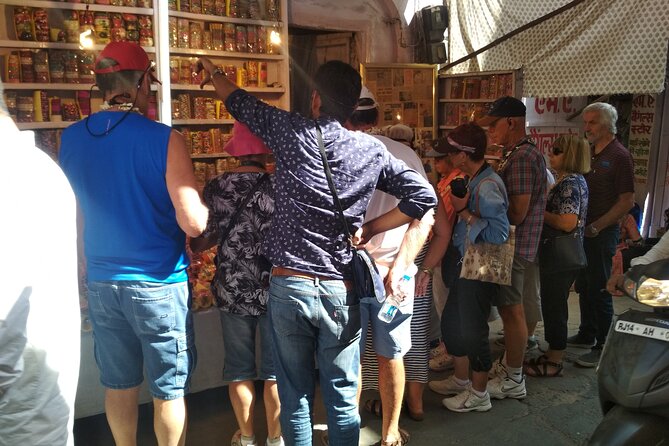
- See working artisans up close: Visit metal beaters and traditional bangle makers, including a demonstration using sealing wax.
- Enter Jaipur’s bridal shopping quarter: Sodhya Halwai leads into a colorful market filled with traditional Indian wedding clothing.
- Taste two local treats: The tour includes two food tasting opportunities, with Mohanthal specifically listed and masala chai part of the experience.
- Learn the logic of the Pink City: The walk begins with Jaipur’s seven gates and its geometrically arranged walled-city plan.
- Finish beside the flower market: The route ends at the Flower Market near Choti Chaupar and Tripolia Bazar.
- Keep the group small: A maximum of 15 people makes it easier to hear the guide and watch demonstrations.
Jaipur’s planned Pink City, explained on foot
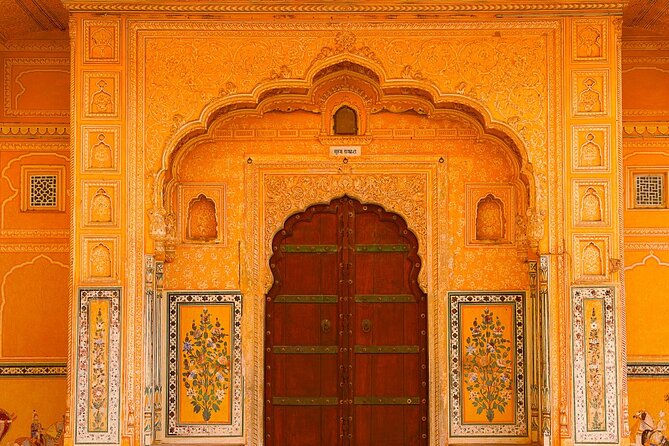
Jaipur was designed as India’s first planned city, and the old walled area still gives you a strong sense of that idea. Its streets and quarters were arranged in a clear pattern, with broad routes leading into narrower market lanes. The pink-painted facades give the city a unified look, but the street life inside those blocks is anything but uniform.
This tour starts at Golcha Cinema on Chaura Rasta, near New Gate and Bapu Bazar. That location puts you right at the edge of the old city’s shopping district, so you begin among active streets rather than at an isolated monument.
Your guide starts with the importance of Jaipur’s seven gates. This is a useful opening because it gives the rest of the walk a map in your head. Instead of seeing a series of random shops and alleys, you begin to understand how the walled city was organized and how people still move through it.
The first stop also includes a visit to a local priest family living in a heritage mansion. This gives you a look at domestic heritage, not just royal buildings. The visit lasts about 15 minutes, so expect a brief introduction rather than a long house tour.
More Walking Tours in Jaipur
- Jaipur Bazaar & Food Walking Tour
★ 5.0 · 281 reviews - Heritage Walk & Street Food Tasting in Jaipur
★ 5.0 · 158 reviews - Magical Walk of Jaipur
★ 5.0 · 121 reviews
Inside the old lanes: metal, snacks, and family trades
After the opening, the route turns into the narrow by-lanes of Jaipur. This is where the tour earns its price. You are not simply looking at decorated facades. You are seeing people at work in trades that have been practiced by local families for generations.
One stop focuses on the community of metal beaters. The name tells you something about the scene: the work involves shaping metal by repeated hammering. The sound, tools, and close quarters make this a very different experience from a standard city sightseeing walk.
You also visit the wholesale market for paani puri, a popular Indian snack. The value here is not only the food itself. A wholesale market shows the supply side of Jaipur’s street-food culture, where ingredients and snacks move through the city before reaching smaller vendors.
The route includes an Ayurveda center and heritage lanes that were once visited by Prince Charles. These stops broaden the walk beyond shopping. You get a mix of traditional wellness, old architecture, local commerce, and stories tied to Jaipur’s public past.
The schedule gives this section about 45 minutes. That is a generous share of the walk, but it still moves at a steady pace. If you like stopping for photographs or asking many questions, stay close to your guide and be ready to keep moving.
A royal entrance and Jaipur’s bridal market
The walk continues past a large heritage gate that also serves as an entry point for the residence of Jaipur’s royal family. You do not enter a royal monument as part of the experience, but the gate helps show how the old city’s public streets connect with royal spaces.
From there, the route reaches Sodhya Halwai and the bridal market. This is one of the most colorful parts of the walk. Traditional Indian wedding clothing fills the shops, and you may see brides and families shopping for ceremonial dress.
This market is useful for understanding how clothing, family customs, and business meet in Jaipur. It is also a practical reminder that the city is not preserved as a museum. These lanes remain working shopping streets, with local customers buying for important events.
You get to try Mohanthal, a local sweet. The tour includes two food tasting opportunities, and this is one of the named tastings. Masala chai is also part of the experience, giving you a warm, simple pause amid the walking and market noise.
Food tastings are small rather than a substitute for lunch. The inclusions specify tasting opportunities, not a full meal, so plan to eat separately if you need breakfast or lunch.
Maniharo Ka Rasta and the sealing-wax bangles
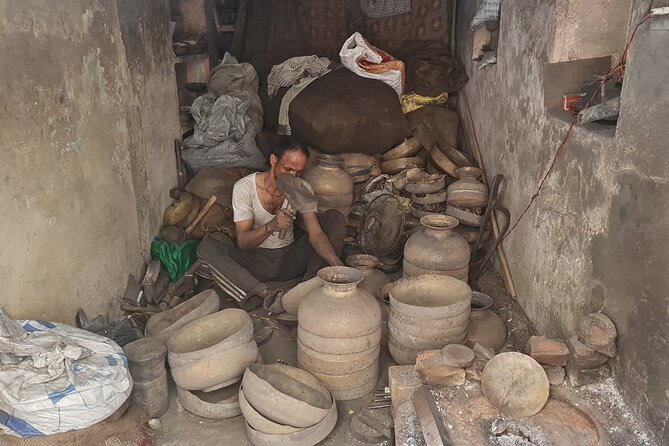
Maniharo Ka Rasta is the artisan section of the route. Here, you watch bangle makers work with sealing wax to produce traditional wrist bangles. The demonstration lasts about 15 minutes.
This is a particularly good stop for anyone interested in craft. You see the process instead of only seeing finished goods in a shop. The connection between the workshop and the nearby bridal market also makes sense: bangles are not merely souvenirs, but part of Indian dress and wedding traditions.
You may receive a souvenir from local artisans as part of the tour. That gives the craft element a small physical reminder, though you should still treat the demonstration as the main value. The walk is not designed as a long shopping session, and the short stop may not allow time for careful comparison of every item.
Keep your hands and camera use respectful in working spaces. Ask before photographing people or close-up details of the craft. A good guide can help with that, especially in places where the workshop is also someone’s livelihood.
More heritage walks in Jaipur:
- Jaipur Heritage Walk with Rickshaw Ride
★ 5.0 · 105 reviews - Culture and Heritage Walk | Pink City Jaipur
★ 5.0 · 14 reviews - Feel Jaipur Like a Local with Guide & Old City Heritage Walk
★ 5.0 · 5 reviews - Jaipur No Shopping Guided Sightseeing Tour with Heritage Walk
★ 5.0 · 4 reviews
Tripolia Bazar, flowers, spices, and Sargasooli
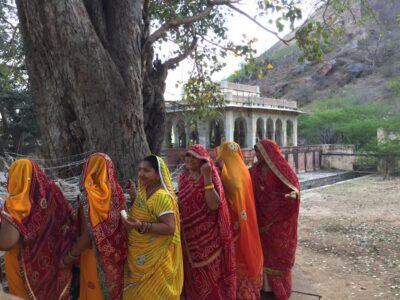
The final major section takes you through Tripolia Bazar. You pass Jaipur’s oldest flower market and a spice market before walking by Isarlat Sargasooli, one of the city’s tallest minarets.
This portion brings together several layers of Jaipur in a short distance. Flowers connect with worship and ceremony. Spices point to the city’s food culture and trade. The minaret adds a major architectural landmark without turning the walk into a formal monument visit.
The experience ends at the Flower Market near Choti Chaupar in Tripolia Bazar. That is a useful finish because you are left in the middle of the old city, close to other Pink City sights and shopping streets. The tour does not include a return transfer, so arrange your next move before you set out.
If you want to continue exploring, the endpoint is better than being dropped at a distant hotel. You can use a taxi, tuk-tuk, or public transportation from the old city, but the tour itself does not provide those services.
Guides who make the difference
A walking tour like this depends heavily on the guide. The strongest guide names connected with this experience are Nidhi and Ani.
Nidhi is described as soft-spoken, patient, and very good at explaining history and culture without rushing. That matters in Jaipur, where traffic, crowds, shopkeepers, and narrow lanes can easily distract from the story. A calm guide also helps if you stop often for photographs or want time to look at a craft demonstration.
Ani is described as personable and a strong storyteller. His approach appears to suit families as well as adults, including a group that brought an eight-year-old on related walks. The value of this kind of guide is not just factual information. It is knowing when to pause, how to cross busy streets, and how to introduce local customs with respect.
The guides also bring anecdotes and city trivia into the walk. That helps explain why several sections feel connected rather than like a checklist of markets. Still, guide assignments can change, so you should not book solely on the promise of meeting one particular person.
What the $30.04 price gets you
At $30.04 per person, the tour sits in a reasonable range for a small-group, guided introduction to Jaipur. You receive an English-speaking city explorer, packaged drinking water, two local food tasting opportunities, and a souvenir from local artisans.
The best value comes from access and context. You could walk through Bapu Bazar, Tripolia Bazar, and the surrounding lanes on your own, but you would be far less likely to find the metal-beating community, understand the bangle-making process, or know why particular gates and markets matter.
The price does not cover transfers, a full meal, travel insurance, monument admission, or services not specifically listed. That keeps the tour focused, but it means you should not compare it with a full-day sightseeing package that includes transport and major palace or fort tickets.
For a first morning or afternoon in Jaipur, I think the cost is justified if you care about local work, food, and street history. It is less useful if your main goal is to see the city’s major monuments from inside.
Timing, walking, and practical comfort
The advertised duration is about 2 hours and 30 minutes, with the walk itself described as lasting 2 to 2.5 hours. The itinerary adds up to a brisk sequence of short stops, so wear comfortable shoes and expect to walk on uneven or crowded city streets.
The experience has a maximum of 15 people. That is small enough for a guide to manage a lane crossing and answer questions, though the markets themselves may still feel crowded. Group size is especially important during the artisan demonstrations, when standing space can be limited.
The tour requires good weather. If poor weather forces cancellation, you are offered another date or a full refund. The same applies if the minimum number of participants is not reached.
You receive a mobile ticket, and confirmation normally arrives at booking unless you book within one day of departure. In that case, confirmation comes as soon as possible, subject to availability.
The meeting point is Golcha Cinema, Chaura Rasta Road, New Gate, Bapu Bazar, in the Pink City. The end point is the Flower Market at Choti Chaupar, Tripolia Bazar. Since no transfers are included, check both locations before booking and allow time to reach the start.
Most people can participate, and the tour is near public transportation. The details do not specify a fully accessible route, so if you have mobility concerns, ask the operator before paying.
Who will get the most from this walk
I would choose this tour for a first visit to Jaipur, especially if you want help understanding the old city before tackling its larger sights. It gives you a human-scale introduction to the Pink City, with enough architecture and history to provide context and enough ordinary street life to keep it grounded.
It suits photographers, food-curious visitors, craft enthusiasts, and families who prefer short stops to long museum visits. The gentle pace described by the guide feedback also makes it a good choice for people who want time for pictures and questions.
It may not suit you if you dislike crowds, street traffic, market noise, or spontaneous changes in pace. You should also choose another experience if you want extended shopping time, a full meal, or admission to Jaipur’s major monuments.
The walk can work well near the start of your stay. Ask the guide for suggestions on other places to visit, food to try, or markets to return to. The guide feedback specifically highlights useful local recommendations, which can make this short tour more valuable than its schedule suggests.
Should you book the Jaipur Heritage Walk?
Book it if you want Jaipur explained through its lanes, workers, food stalls, and markets rather than only through palaces and forts. The metal beaters, sealing-wax bangles, bridal shops, flower sellers, and spice traders give you a clearer sense of how the old city functions today.
At $30.04, it offers good value for a small group and a focused 2.5-hour route. Just keep your expectations in the right place: this is a guided introduction to local life, not a full monument tour or a meal-centered food walk. If that sounds like your kind of Jaipur, this is a smart way to start.
FAQ
How long does the Jaipur Heritage Walk last?
The experience lasts approximately 2 hours and 30 minutes. The walking program is described as lasting about 2 to 2.5 hours.
What is the price of the tour?
The listed price is $30.04 per person.
Where does the tour begin?
The meeting point is Golcha Cinema on Chaura Rasta Road, near New Gate and Bapu Bazar in Jaipur’s Pink City.
Where does the tour end?
The walk ends at the Flower Market near Choti Chaupar in Tripolia Bazar, Jaipur.
What food is included?
The tour includes two local food tasting opportunities. Mohanthal is specifically listed, and masala chai is part of the experience.
Are monument entrance tickets included?
No. Monument visits are not included unless specifically stated, and this experience does not include monument admission.
Is transportation included?
No. Transfers are not included. The walk begins at Golcha Cinema and ends at the Flower Market.
What happens if the tour is canceled because of weather?
If poor weather causes cancellation, you are offered a different date or a full refund. If the minimum number of participants is not reached, you are also offered another date, another experience, or a full refund.
More History Tours in Jaipur
- Private Full-Day Sightseeing Tour of Jaipur’s Heritage by Car
★ 5.0 · 110 reviews - Jaipur Heritage Evening Walk – The Twilight Magic of Pink City
★ 5.0 · 93 reviews - Nahargarh Water Walk – Guided 2-Hour Heritage Tour in Jaipur
★ 5.0 · 89 reviews - Jaipur Heritage Walking Tour – Local life, Havelis and Temples
★ 5.0 · 72 reviews
Recently added around Jaipur
- Taj Mahal Entrance Ticket★ 5.0 · 3 reviews
- Jaipur: Ajmer & Pushkar Day Trip with Lunch & Camel ride★ 4.3 · 3 reviews
- Spiritual Private Tour of Vrindavan and Mathura★ 3.0 · 3 reviews
- Agra’s Hidden Gems & Flavors on a Thrilling Tuk-Tuk Tour 3-4 Hrs★ 5.0 · 3 reviews
- Jaipur: City Tour Full-Day Sightseeing with Guide★ 5.0 · 3 reviews
- Shop Agra Like a Local: Unique Indian Handicrafts Tour★ 5.0 · 3 reviews
- Agra: Taj Mahal and Agra Fort Private Guided Half-Day Trip★ 5.0 · 3 reviews
- From Jaipur: Taj Mahal Guided and Agra Tour By Car★ 5.0 · 3 reviews
Historical Tours, compared.

Private Full-Day Sightseeing Tour of Jaipur’s Heritage by Car
Read our review →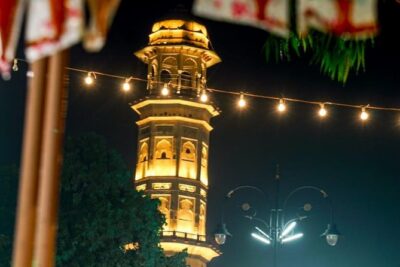
Jaipur Heritage Evening Walk – The Twilight Magic of Pink City
Read our review →
Nahargarh Water Walk – Guided 2-Hour Heritage Tour in Jaipur
Read our review →
Jaipur Heritage Walking Tour – Local life, Havelis and Temples
Read our review →
Jaipur@Twilight Guided Heritage City walk tour with Food Tasting
Read our review →
Browse the lists this tour appears in