
Reviewed · CITY TOURS
Agra City Cultural Walk
Agra’s famous monuments tell only part of the story. This early-morning walk takes you into the old city, where temples open, markets stir, trains come and go, and daily life unfolds before the heat arrives. I especially like the battery-powered rickshaw and the chance to see Agra as a living city rather than a string of monuments.
I also like the private format. Your group walks with guide Arif, who is praised for clear English, humor, useful local advice, and a strong grasp of Agra’s past. The main consideration is pace: this is a walking tour through busy lanes, so you need moderate fitness, covered shoulders and knees, and some tolerance for an early start.
In This Review
- Key points at a glance
- Why this old Agra walk is worth your morning
- The battery rickshaw ride into the old city
- Agra Fort Railway Station and the city’s changing power
- Shri Mankameshwar Mandir and respectful temple visits
- Jama Masjid and Agra’s religious mix
- Markets, byways, and the useful details between stops
- Street breakfast and small personal touches
- How much value do you get for $100?
- Who should book this walk?
- Practical details before you reserve
- Should you book the Agra City Cultural Walk?
- FAQ
- How long does the Agra City Cultural Walk last?
- Is hotel pickup included?
- Is this a private tour?
- What places are included in the route?
- What should I wear?
- What happens if the weather is poor?
Key points at a glance
- Sunrise timing: Begin early, when Agra is waking up and the streets are cooler.
- Eco-friendly arrival: Ride from your hotel to the old city in a battery-powered rickshaw.
- Three historic stops: See Agra Fort Railway Station, Shri Mankameshwar Mandir, and Jama Masjid.
- Local life first: Walk through markets and side lanes instead of staying only at major monuments.
- Private guiding: Only your own group takes part, with hotel pickup and drop-off included.
- Strong guide feedback: Arif is particularly praised for his English, humor, historical explanations, and practical help.
Why this old Agra walk is worth your morning
The best reason to book this experience is simple: it gives you a different Agra. The Taj Mahal is essential, but the old city explains how people live around the monuments, shrines, markets, railway lines, and layers of political power.
The tour begins early at your hotel. That matters in Agra. Morning light is gentler, temperatures are easier to manage, and the city is starting its day rather than running at full speed. You will be picked up in a battery-powered rickshaw and taken toward the old city. The ride is not the main event, but it is a practical and pleasant bridge between your hotel and the walking route.
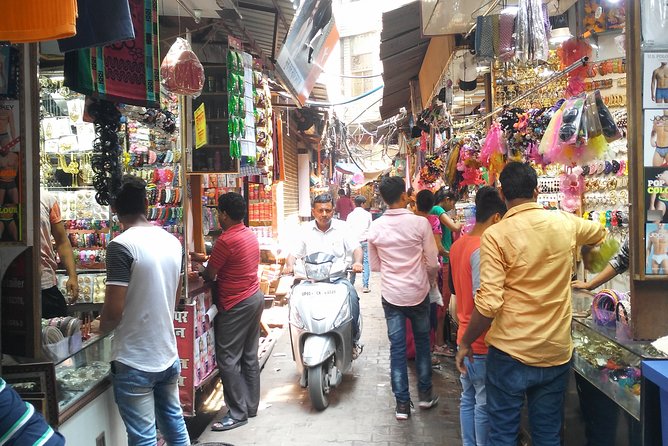
Once the rickshaw is left behind, the experience changes character. You move on foot through narrow lanes and market areas, with Arif explaining the buildings, religious places, transport links, and changing role of Agra over time. You are not simply looking at old walls. You are watching a city work.
The published rating is 4.9 out of 5 from 10 ratings, with 100 percent recommending the experience. The most consistent praise centers on Arif himself. His English, easy manner, sense of humor, historical knowledge, and willingness to answer questions are repeatedly singled out. One account describes him as a guide who kept the walk engaging for three hours, while another points to his help in turning an unplanned weekend visit into a successful trip.
That does not mean the tour will satisfy every style of sightseeing. If you want a polished, formal monument tour with long stops and detailed architectural lectures, this may feel loose. One person wanted more background about Agra and its culture in general. The walk is strongest when you want street-level context and conversation.
More Walking Tours in Agra
- Agra Walking Tour
★ 5.0 · 109 reviews - Agra: Street Food Walking Tour, Spice Market, & Tuk-tuk Ride
★ 4.9 · 102 reviews - Agra 101 City Walk
★ 5.0 · 41 reviews
The battery rickshaw ride into the old city
Hotel pickup and drop-off are included, which removes one common headache in Agra. You do not need to arrange your own transport to the starting point, and the battery-powered rickshaw keeps the transfer quieter and cleaner than a conventional motor vehicle.
The ride also helps set up the tour. You leave the hotel zone and head toward the older parts of the city, where the streets carry more visible signs of everyday work and worship. Since the walk itself lasts about two and a half to three hours, this short transfer helps preserve your energy for the lanes.
The private setup is useful here. You can ask Arif to slow down, explain a custom, repeat a point, or adjust the emphasis toward architecture, religion, markets, or city history. A large group would make that harder. The downside is the cost: at $100 per person, this is not a bargain shared group walk. Its value depends on how much you care about having a personal guide and arranged transport.
Agra Fort Railway Station and the city’s changing power
The first listed stop is Agra Fort Railway Station, with about 10 minutes set aside for history and stories. Do not expect a long station tour. The point is to use this place as a doorway into Agra’s changing fortunes.
The station connects the old imperial city to the period of British rule and modern transport. The wider walk places it in a story that begins with Agra as a major Mughal capital and follows the effects of later British administration. That transition gives the city more depth than a simple Mughal-only sightseeing plan.
A short stop can work well if Arif uses the station to explain how roads, railways, forts, markets, and political authority shaped one another. The time is brief, so you may want to ask direct questions. If you are interested in how Agra developed over time, this is a good moment to ask for the larger timeline.
One practical point: a railway station is an active public place, not a quiet monument. Your attention may shift between the building, the surrounding streets, and the movement of the city. That is part of the appeal, but it also means the stop may feel less orderly than a standard sightseeing site.
Shri Mankameshwar Mandir and respectful temple visits
The walk continues to Shri Mankameshwar Mandir, a temple stop with about 10 minutes for history and stories. Admission is free.
The value of this stop is not measured by its length. A temple introduces the religious life of old Agra and shows how sacred places fit into the same streets used for shopping, transport, and ordinary errands. Arif can help explain what you are seeing and how the temple relates to the wider city.
You should dress with care. The tour requires clothing that covers your knees and shoulders because you will visit a temple and a mosque. This is both a practical entry rule and a sign of respect. Wear something comfortable for walking, but avoid shorts, short skirts, sleeveless tops, or anything that leaves the shoulders uncovered.
The 10-minute timing suggests an orientation rather than an extended religious visit. You will likely get the most from it by listening closely, observing quietly, and asking questions without turning the stop into a rushed photo break. This is one place where a local guide adds useful context that a self-guided stroll might miss.
A completely different kind of day out from Agra:
- Agra: Skip-the-Line Taj Mahal & Agra Fort Private Tour
★ 4.9 · 1,546 reviews - Agra: Taj Mahal Express Entry Tickets
★ 4.8 · 684 reviews - Agra: Taj Mahal and Mausoleum Guided Tour with Skip-the-Line
★ 4.8 · 631 reviews - Private Guided Taj Mahal Tour with Skip The Line Entry Ticket
★ 5.0 · 562 reviews
Jama Masjid and Agra’s religious mix
Jama Masjid is the third named stop, with roughly five minutes allocated to history and stories. Admission is free.
Five minutes is short, so treat this as a focused introduction rather than a full mosque visit. The stop adds another religious layer to the route and helps show that old Agra is shaped by more than one tradition. Alongside the temple, it gives the walk a wider cultural frame.
The dress code applies here as well. Covered knees and shoulders are required, and you should be prepared to follow any local instructions about entering or observing the mosque. The supplied details do not specify additional rules, so the sensible approach is modest clothing, quiet behavior, and respect for worshippers.
The short duration may disappoint anyone hoping for a long architectural explanation. Still, the mosque fits the tour’s larger purpose: connecting history with daily life. You are moving through a neighborhood where religious buildings are part of the city’s working fabric, not isolated stops on a sightseeing circuit.
Markets, byways, and the useful details between stops
The named sites are only part of the walk. The real character comes from the lanes between them, where Arif explains local architecture, markets, and the way Agra developed over time.
Several accounts praise his ability to point out places you would be unlikely to find on your own. That is an important distinction. You are not paying only for a route between three public sites. You are paying for interpretation along the way, including the small details that can be easy to miss when you walk without context.
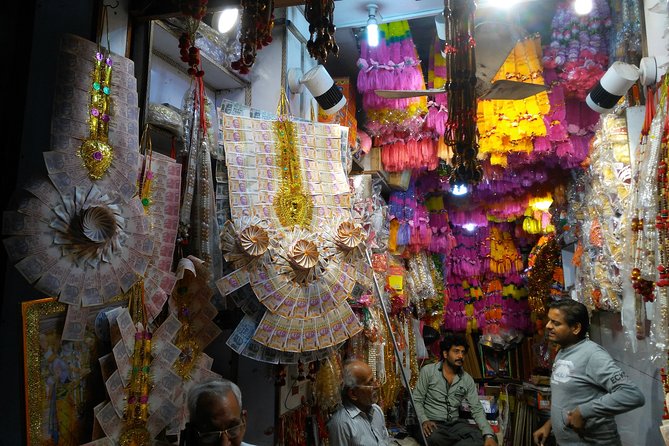
The route is described as a look at people, lifestyle, religion, and the daily hustle of old Agra. Expect an active streetscape and uneven moments of attention. One minute may focus on a building or historical event, and the next may involve watching shopkeepers prepare for the day or following a narrow lane toward the next stop.
The pace is also shaped by conversation. Arif has been praised for answering questions and offering helpful tips for the rest of an Agra stay. If you want more general information about local culture, ask for it early. One useful criticism of the experience is that some people may want more broad background on Agra than the set route provides. Your questions can help steer the tour in that direction.
Street breakfast and small personal touches
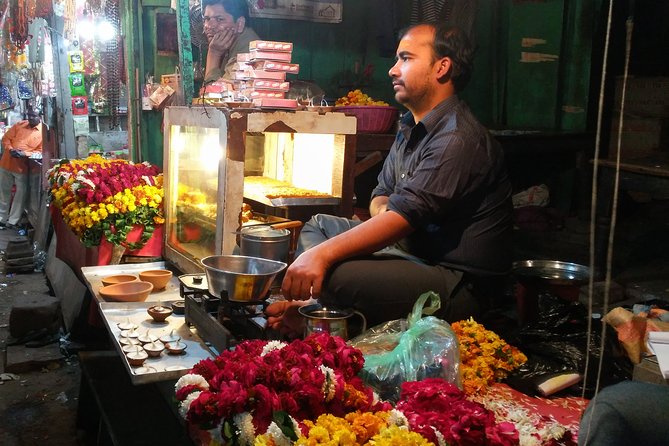
An original Indian breakfast on the street is mentioned as part of one especially positive experience. The tour details do not formally promise breakfast as an inclusion, so you should not book this expecting a guaranteed meal. Still, you might find an opportunity to try a local breakfast during the walk.
That possibility fits the morning timing. You are out while the city is opening, and food is part of that daily rhythm. If a stop happens, ask what you are eating and how it fits into local life. Bottled water is included, so you have one basic refreshment covered.
One couple also received a small perfume from Arif. That appears to be a personal gesture rather than a listed inclusion, so it should not shape your booking decision. The more dependable benefit is Arif’s personal attention and local guidance.
How much value do you get for $100?
At $100 per person, the experience is expensive compared with a basic self-guided walk. The price makes more sense if you are visiting Agra briefly, want hotel transport, prefer a private group, and value a guide who can explain the city as you go.
You receive a professional guide, hotel pickup and drop-off, bottled water, and a private experience. The tour lasts about two and a half to three hours, with one account noting a full three-hour walk. For a couple or small private group, that can be a useful block of time, especially if you are trying to understand Agra beyond the Taj Mahal and Agra Fort.
The price is less convincing if you mainly want entrance tickets or a long visit inside major monuments. The three named stops are short, and admission to the temple and mosque is free. You are paying for access to a local perspective, transport, planning, and conversation rather than expensive site admissions.
Group discounts are offered, which may improve the value for larger parties. Since the activity is private, you do not share the guide with unrelated people. That makes it easier to set the tone and ask questions, but you should confirm the group discount details when booking.
Who should book this walk?
I would recommend it to first-time visitors who have already planned the major sights or want an introduction to Agra before visiting them. It is also a good fit for people who enjoy markets, local streets, religion, transport history, and informal conversations more than formal museum-style tours.
Solo visitors may find the pickup and private guiding especially useful, particularly if arriving in Agra without a detailed plan. Families and couples can also benefit from the flexible format, provided everyone can manage a few hours on foot.
You should think twice if you dislike early starts, walking in active city lanes, or stopping at religious sites. The tour requires moderate physical fitness, and the clothing rules are not optional. It may also feel too brief for anyone wanting a full survey of Agra’s culture, since one person specifically wanted more general information about the city.
Practical details before you reserve
The start is early in the morning, with pickup from your hotel. The total experience lasts approximately two hours and 30 minutes to three hours. Confirmation is provided at booking, and mobile tickets are supported.
Wear light, comfortable clothing that covers your knees and shoulders. Bring curiosity, patience, and shoes suited to walking. Bottled water is included, but you may still want any personal essentials you normally carry for a morning outing.
The experience depends on good weather. If poor weather causes cancellation, you are offered another date or a full refund. You can cancel for a full refund up to 24 hours before the local start time. Cancellations or changes made inside that 24-hour window are not accepted for a refund.
Should you book the Agra City Cultural Walk?
Book it if you want Agra explained from street level, not just photographed from famous gates. The strongest reasons are Arif’s approachable guiding style, the private format, hotel transport, and the chance to connect the Mughal period, British rule, religion, markets, and modern daily life in one morning.
Skip it if your priority is a low-cost stroll or long visits inside major monuments. At $100 per person, the value rests on the guide and the access to everyday Agra. For the right kind of sightseer, that is precisely the point.
FAQ
How long does the Agra City Cultural Walk last?
The experience lasts approximately two hours and 30 minutes to three hours.
Is hotel pickup included?
Yes. Hotel pickup and drop-off are included, with transportation to the old city provided in a battery-powered eco-friendly rickshaw.
Is this a private tour?
Yes. Only your own group participates in the activity.
What places are included in the route?
The listed stops are Agra Fort Railway Station, Shri Mankameshwar Mandir, and Jama Masjid. The walk also includes the old city’s lanes and markets.
What should I wear?
Wear clothing that covers your knees and shoulders because the route includes a temple and a mosque.
What happens if the weather is poor?
If the experience is canceled because of poor weather, you can choose another date or receive a full refund. Free cancellation is available when made at least 24 hours before the start time.
Recently added around Agra
- Taj Mahal Entrance Ticket★ 5.0 · 3 reviews
- Spiritual Private Tour of Vrindavan and Mathura★ 3.0 · 3 reviews
- Agra’s Hidden Gems & Flavors on a Thrilling Tuk-Tuk Tour 3-4 Hrs★ 5.0 · 3 reviews
- Agra: Taj Mahal and Agra Fort Private Guided Half-Day Trip★ 5.0 · 3 reviews
- Shop Agra Like a Local: Unique Indian Handicrafts Tour★ 5.0 · 3 reviews
- From Jaipur: Taj Mahal Guided and Agra Tour By Car★ 5.0 · 3 reviews
- Private Transfers Jaipur To Agra Drop with sikri & stepwell★ 5.0 · 3 reviews
- Full day Taj Mahal, Agra Fort, Fatehpur Sikri By Car From Agra★ 5.0 · 3 reviews
City Tours, compared.
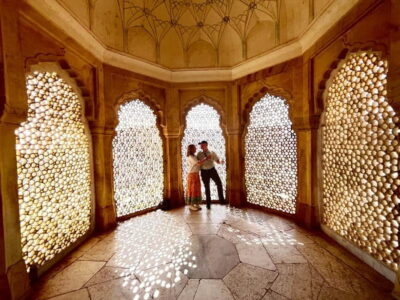
Full-Day City Tour with Car, Guide & Skip-the-Line
Read our review →
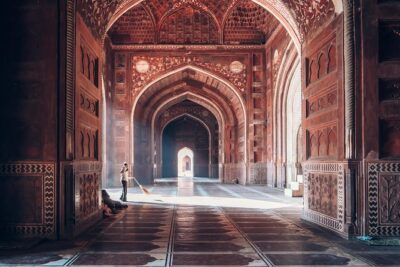
Taj Mahal, Agra Fort, Baby Taj & Mehtab Bagh Private City Tour
Read our review →
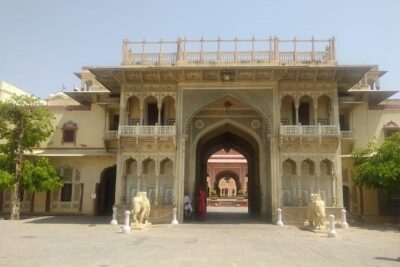
Private Jaipur Full One Day Tour In Pink City With Guide
Read our review →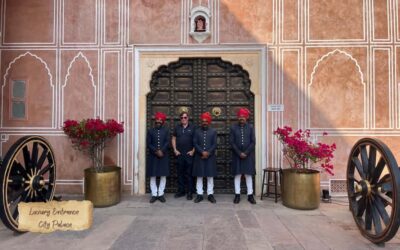
Jaipur Guided City Tour: City Palace, Jantar, Hawa & Jal Mahal
Read our review →Browse the lists this tour appears in