
Reviewed · WALKING TOURS
Agra Walking Tour
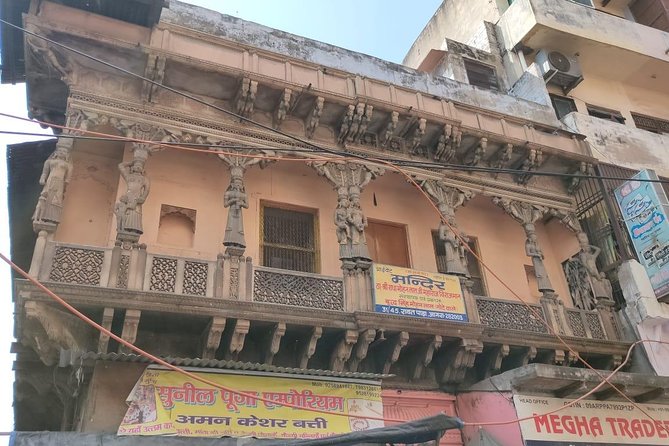
Agra’s best stories do not all sit behind ticket gates. This private walking tour takes you through Jama Masjid, old bazaars, a 650-year-old temple, and a British-era railway station, giving you a look at the city beyond the Taj Mahal. It is a short, low-cost way to see where local life happens.
I like the small private format, since your guide can adjust the pace and explain odd corners that are easy to miss alone. I also like the mix of places: prayer, worship, shopping, transport, and food all appear in one compact outing. The main caution is timing. Some bookings have run much shorter than the advertised two to three hours, so confirm the start time and expected length with your guide.
In This Review
- Key Points at a Glance
- Why This Agra Walk Is Worth Considering
- Starting at Jama Masjid in Subash Bazar
- Shri Mankameshwar Temple and Agra’s Sacred Side
- Agra Fort Railway Station’s British-Era Details
- Kinari Bazar and the Feel of Old Agra
- Pethe in Johri Bazar
- Subash Bazar and Local Clothing Shopping
- The Unmarked Corners of Agra
- Guides, Transport, and the Private Format
- Timing, Weather, and What to Bring
- Is the $11 Price Good Value?
- Who Should Book This Agra Walking Tour?
- Should You Book It?
- FAQ
- How long does the Agra Walking Tour last?
- Where does the tour begin?
- Where does the tour end?
- Is the tour private?
- What is included in the tour?
- Are food and personal purchases included?
- Can I cancel for a full refund?
Key Points at a Glance
- A local side of Agra: See Jama Masjid, Shri Mankameshwar Temple, old markets, and small places that may not be marked clearly online.
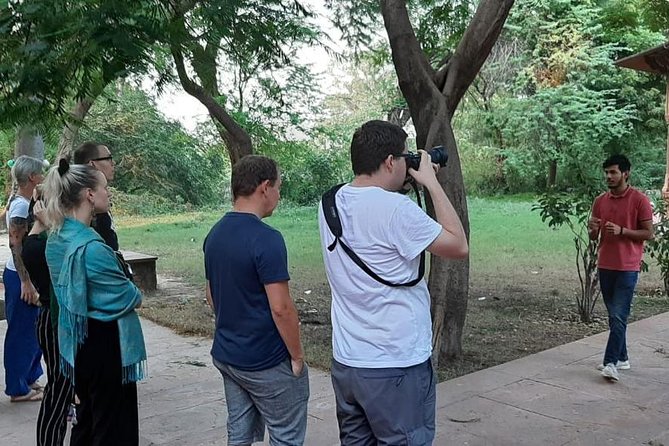
- Private guide attention: Only your group takes part, with an English-speaking local assigned to lead the walk.
- Seven varied stops: The route mixes religious sites, a railway station, clothing markets, a sweet shop, and lesser-known corners of Agra.
- Transport is provided: Although the main experience is on foot, transport helps connect parts of the route. One reported outing included metro and tuk-tuk rides.
- Pethe tasting stop: Learn about Agra’s famous white-pumpkin sweet at Gopal Das Pethe Wale in Johri Bazar.
- Good price, with a timing caveat: At $11, the tour is inexpensive, but the short visits and occasional early finishes affect its value.
Why This Agra Walk Is Worth Considering
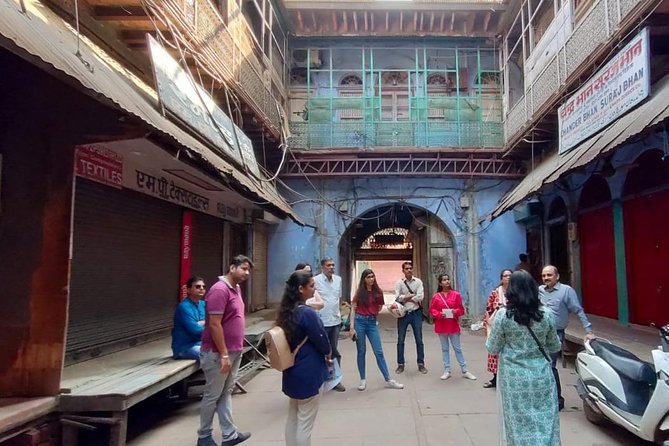
Most first visits to Agra revolve around the Taj Mahal and Agra Fort. Those places matter, but they can leave you with a polished picture of the city rather than a street-level one. This tour shifts the focus to markets, shrines, transport routes, and everyday shopping areas.
You spend about 20 minutes at many stops, with shorter time at the sweet shop and a longer final section for small local places. That rhythm gives you variety, but it also means you should not expect long, detailed visits inside every site. Think of this as an introduction to central Agra, not a full history tour of each monument.
The tour costs $11, which is a strong price if it lasts close to the full two or three hours and includes useful transport between areas. A private guide at that price can be especially handy if you are new to India and want help reading the city’s busy streets, finding entrances, and understanding local customs.
The value drops if the walk lasts only a little over an hour. One booking ended after about 1 hour and 15 minutes, and another account described a late start and less time than expected. I would confirm the meeting time, route, and likely duration before setting aside your whole afternoon.
More Walking Tours in Agra
- Agra: Street Food Walking Tour, Spice Market, & Tuk-tuk Ride
★ 4.9 · 102 reviews - Agra 101 City Walk
★ 5.0 · 41 reviews - Agra: Sadar Bazar Food Market Night Walking Tour by Tuk-Tuk
★ 4.9 · 25 reviews
Starting at Jama Masjid in Subash Bazar
The meeting point is Jama Masjid, near Subash Bazar, Kinari Bazar, Hing ki Mandi, and Mantola. This puts you directly in an old commercial part of Agra rather than at a hotel lobby or a quiet sightseeing plaza.
Jama Masjid is one of the city’s largest mosques. The visit is listed at around 20 minutes, with no separate admission charge. Your guide can help you understand the building’s role in the neighborhood and point out details you might otherwise pass without noticing.
Dress and behavior matter here. As with any active place of worship, you should follow the guide’s advice about footwear, clothing, and where to stand. The experience is not designed as a long architectural study, so ask questions early if the mosque is a major reason you booked.
One useful practical point is that the meeting area has access to public transportation. The exact transfer plan can vary, but provided transport is part of the experience. A reported outing used the metro and tuk-tuks, which gives you a better feel for Agra than riding between every stop in a private car.
Shri Mankameshwar Temple and Agra’s Sacred Side
The next stop is Shri Mankameshwar Mandir, described as a 650-year-old temple. You have roughly 20 minutes here, enough for a quick look and an introduction to the stories linked with the shrine.
This stop balances the mosque nicely. In a short walk, you move from one important religious setting to another, seeing how worship remains part of the city’s daily life. I like this pairing because it gives the tour more depth than a simple market stroll.
Temple visits can involve rules about shoes, photography, and access. The tour information does not promise a specific interior route, so you should let your guide lead and ask before taking pictures. The short visit may feel rushed if you want a detailed explanation of the temple’s traditions.
Still, the guide is useful here. A local can explain the stories in plain language and help you understand what you are seeing without turning the stop into a lecture. Ritik, one of the named guides associated with the experience, has been described as easy company and good at explaining the history of the area.
Agra Fort Railway Station’s British-Era Details
Agra Fort Railway Station is an unusual stop. It is not the kind of place most visitors put on a sightseeing list, yet the station offers a look at the city’s transport past and British-era design.
The visit lasts about 20 minutes, and admission is included. The station is described as one of Agra’s oldest, with distinctive architecture and many stories tied to it. That makes it a good change of pace after the mosque and temple.
Do not expect a grand monument visit on the scale of Agra Fort. This is a working transport site, and the appeal lies in its setting, design, and local context. Your guide’s explanation matters more here than a formal display or large collection of objects.
The stop also shows why a guide can improve a city walk. Without context, an old station may look like a place you simply pass through. With someone explaining its age and British connection, you have a reason to pause and look closely.
A completely different kind of day out from Agra:
- Agra: Skip-the-Line Taj Mahal & Agra Fort Private Tour
★ 4.9 · 1,546 reviews - Agra: Taj Mahal Express Entry Tickets
★ 4.8 · 684 reviews - Agra: Taj Mahal and Mausoleum Guided Tour with Skip-the-Line
★ 4.8 · 631 reviews - Private Guided Taj Mahal Tour with Skip The Line Entry Ticket
★ 5.0 · 562 reviews
Kinari Bazar and the Feel of Old Agra
Kinari Bazar is described as a 400-year-old market where the old city’s character remains easy to see. You spend around 20 minutes here, moving through a shopping area that feels more connected to local trade than to sightseeing.
This is one of the stronger parts of the route if you want ordinary city life. You might see shopkeepers arranging goods, shoppers comparing prices, and narrow lanes filled with the sound and movement of business. The tour does not promise a specific purchase or tasting here, so treat it as a chance to observe and ask questions.
Markets reward patience. The first few minutes can feel confusing, especially if you are trying to stay with the group and take in the surroundings at the same time. Keep your belongings secure, follow the guide, and avoid stopping in the middle of a passage.
A private tour helps in this setting. Your guide can point out what a shop sells, explain the purpose of a lane, or suggest when it is sensible to pause for a photograph. Since you are not tied to a large group, you can ask more questions without holding up twenty other people.
Pethe in Johri Bazar
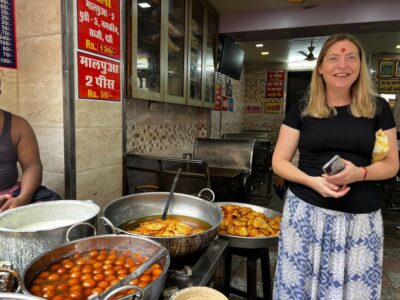
The food stop is at Gopal Das Pethe Wale in Johri Bazar. Here you learn about pethe, Agra’s famous sweet made from white pumpkin, with about 15 minutes set aside for the visit. Admission is included, but personal food costs are not.
Pethe is a useful part of the tour because it connects food with place. You are not just sampling a generic Indian sweet. You are learning about a specialty strongly linked with Agra and seeing how a local confectionery fits into the market district.
The information does not specify how much food is included, so budget for your own purchase if you want to try more than what the guide offers. Food preferences also vary. If you have allergies or dietary limits, ask what is available before buying.
I would keep this stop flexible. Fifteen minutes is enough for an introduction and a taste, but not for a long food tour. The point is a quick local flavor, not a meal. You should plan separate food expenses because the tour price covers the guide and transport, not general eating.
Subash Bazar and Local Clothing Shopping
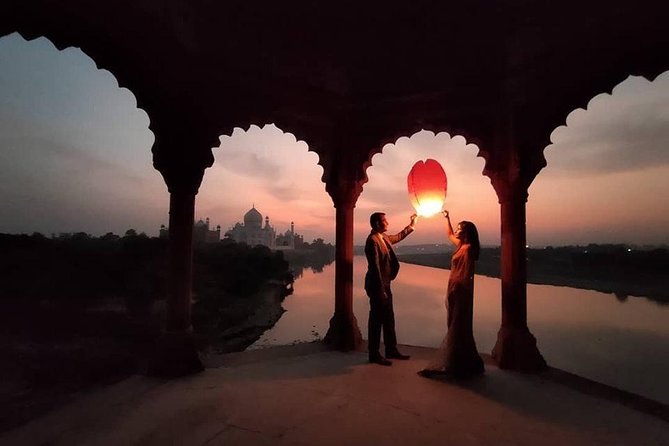
Subash Bazar is described as a wholesale market for Indian wear. The visit lasts about 20 minutes and offers a chance to see where local shoppers look for clothing.
This is a practical stop for anyone curious about the buying side of Agra. You may find clothes and fabrics at different price points, though the tour does not promise a shopping discount or a particular item. Your guide can help you understand the market and point you toward the right sections.
Wholesale markets can be less comfortable than tourist shopping streets. The pace may be quick, the lanes may be crowded, and shopkeepers may be focused on serious buyers. That is part of the point, but it can be tiring if you want a calm browsing experience.
I would not book this tour mainly to shop. Book it to see local commerce, then buy something if you find an item you like. If you do purchase clothing, agree on the price clearly before paying and keep track of your belongings in the busy market.
The Unmarked Corners of Agra
The final 25-minute section is the least specific and perhaps the most flexible. Your guide takes you to small places whose locations may not appear on Google Maps. They are not major attractions, but their stories are meant to help you understand Agra in a more personal way.
This is where the private format can pay off. A guide such as Amit, described as energetic and well informed about the city, may add humor and local detail that turns an ordinary lane into a memorable stop. The experience can feel more like walking with a local contact than following a fixed monument checklist.
The trade-off is predictability. Since these places are not named in advance, you cannot judge each one before booking. The quality will depend heavily on the guide you receive and on how clearly the route is explained during the walk.
Ask your guide at the start what these final stops will involve. That simple question can help you decide how much time to spend at the markets, temple, or lesser-known corners. If a particular site interests you, say so early rather than waiting until the final part.
Guides, Transport, and the Private Format
The experience includes an English-speaking local guide and transport. The description calls it a walking tour, so you should expect to walk between several nearby sights, with rides used where needed. The exact vehicle or route is not fixed in the information provided.
One account described a combination of metro travel, walking, and tuk-tuk rides. That sounds fitting for this kind of city outing, but you should not assume every booking uses the same pattern. Ask whether transport is planned for the full route or only for certain connections.
The private setup means only your group participates. That is a real advantage in Agra, where you may want to ask about religion, shopping customs, local food, or the city’s old neighborhoods without worrying about a large group’s pace.
The named guides Amit and Ritik receive especially positive attention for energy, clear explanations, communication, and a friendly manner. Guide assignment can vary, so those names should be treated as examples rather than a guarantee. The strongest part of the experience appears to be the human connection, making guide quality more important than any single stop.
Timing, Weather, and What to Bring
The listed duration is approximately two to three hours. The operating hours shown are broad, from 4:00 AM to 10:00 PM daily, but your selected start time will determine the heat, light, and market activity you encounter.
Early morning or later-day departures may be more comfortable than the hottest part of the afternoon. A sunset outing is also possible according to one account, though the exact start times available to you should be confirmed at booking.
Wear comfortable walking shoes and modest clothing suitable for religious sites. Carry water, a small amount of cash for food or personal purchases, and a phone with your mobile ticket available. Since you may use public transport or tuk-tuks, keep your belongings close.
Most people can participate, and the tour is near public transportation. The information does not give a maximum walking distance or a detailed accessibility plan, so anyone with mobility concerns should ask the provider about the route before booking.
The cancellation policy is friendly if your plans change. You receive a full refund when you cancel at least 24 hours before the start time. Cancellations or changes inside 24 hours are not refunded, and poor weather may lead to another date or a full refund.
Is the $11 Price Good Value?
At $11, this is one of the cheaper ways to get a private introduction to Agra. The price includes an English-speaking local and transport, while admission is free at most stops. The railway station admission is included, and food and personal spending remain separate.
I see the value in the range of experiences. For a small amount, you get religious sites, an old market, a railway station, a specialty sweet, and a clothing district. It would cost more effort and confidence to link all of those places on your own, especially if you are unfamiliar with Agra.
The price does not erase the timing concern. A two-hour walk feels fair at $11. A tour that ends after roughly 75 minutes feels less appealing, even at a low price. Confirm the expected finish time and contact the provider promptly if the guide is late.
Who Should Book This Agra Walking Tour?
I would recommend it to first-time visitors who have already planned the Taj Mahal and want a different look at Agra. It also suits solo visitors, couples, and small groups who prefer asking questions and setting their own pace.
It works well for people who enjoy markets, local food, religious places, and everyday city scenes more than polished sightseeing. It is less suitable if you want long monument visits, formal museum-style interpretation, or a tightly timed historical tour.
The guide makes the biggest difference. If you receive the same kind of friendly, energetic service associated with Amit or Ritik, the walk can be a warm and useful introduction to the city. If you need a guaranteed two to three hours, specific interiors, or a fixed list of lesser-known sites, confirm those details before paying.
Should You Book It?
Book this tour if you want a cheap private walk through the working heart of Agra, with a mosque, temple, market lanes, local clothing shops, and a taste of pethe. The variety is its strength, and the small format lets you talk with a local guide instead of simply following signs.
I would skip it if your schedule is extremely tight or if a shortened tour would cause problems. For the best result, contact the provider before the day, confirm the meeting time and duration, and tell the guide which stops matter most to you. At $11, it is a sensible choice when you value local context more than grand monuments.
FAQ
How long does the Agra Walking Tour last?
The approximate duration is two to three hours. Actual timing may vary, so confirm the expected length with the guide before starting.
Where does the tour begin?
The meeting point is Jama Masjid Agra, near Subash Bazar, Kinari Bazar, Hing ki Mandi, and Mantola in Agra, Uttar Pradesh.
Where does the tour end?
The activity ends back at the meeting point.
Is the tour private?
Yes. Only your group participates in this private activity.
What is included in the tour?
An English-speaking local guide and transportation are included. Admission is free at several stops, and admission to Agra Fort Railway Station is included.
Are food and personal purchases included?
No. Personal expenses and food expenses are not included. You should pay separately for any pethe or other items you purchase.
Can I cancel for a full refund?
Yes, if you cancel at least 24 hours before the experience start time. Cancellations or changes made less than 24 hours in advance are not refunded. If poor weather causes cancellation, you will be offered another date or a full refund.
Recently added around Agra
- Taj Mahal Entrance Ticket★ 5.0 · 3 reviews
- Agra’s Hidden Gems & Flavors on a Thrilling Tuk-Tuk Tour 3-4 Hrs★ 5.0 · 3 reviews
- Spiritual Private Tour of Vrindavan and Mathura★ 3.0 · 3 reviews
- Shop Agra Like a Local: Unique Indian Handicrafts Tour★ 5.0 · 3 reviews
- Agra: Taj Mahal and Agra Fort Private Guided Half-Day Trip★ 5.0 · 3 reviews
- From Jaipur: Taj Mahal Guided and Agra Tour By Car★ 5.0 · 3 reviews
- Private Transfers Jaipur To Agra Drop with sikri & stepwell★ 5.0 · 3 reviews
- Full day Taj Mahal, Agra Fort, Fatehpur Sikri By Car From Agra★ 5.0 · 3 reviews
Walking Tours, compared.

Afternoon Walk Tour with Sunset & Fire Ritual -The Pushkar Route
Read our review →
Evening Walking Tour with Fire Rituals-The Pushkar Route
Read our review →Browse the lists this tour appears in