
Reviewed · GOLDEN TRIANGLE TOURS
Explore Private Tour The Golden Triangle Done Differently
India’s Golden Triangle is familiar for good reason, but this eight-day trip adds places many first-time visitors miss. Raju takes you from Delhi to Agra and Jaipur, then mixes headline sights such as the Taj Mahal with Itimad-ud-Daulah, Abhaneri step-well, Galtaji Temple, and local shopping.
I like the private format, since only your group takes part and the schedule can bend around your interests. I also like the chance to see Jaipur beyond its palaces, with time for local crafts, shopping, food, and less obvious corners. The main catch is that lunch and dinner are extra, and the long road days may feel tiring if you prefer a slower holiday.
In This Review
- Key points at a glance
- Why this Golden Triangle route feels different
- Delhi begins with green space and grand Mughal design
- Agra’s smaller monuments add texture before the Taj Mahal
- The Taj Mahal gets its own morning
- Fatehpur Sikri and Abhaneri break up the road to Jaipur
- Jaipur begins with monkeys, royal cremation sites, and local shopping
- Jaipur’s palace day brings the big royal sights
- Food, hotels, and the real cost of the trip
- Who should book this eight-day private tour
- Booking details worth checking before departure
- FAQ
- How long is the Golden Triangle tour?
- Which cities and regions does the tour visit?
- Is the tour private?
- Is breakfast included?
- Are lunch and dinner included?
- Can I cancel for a full refund?
- Should you book it?
Key points at a glance
- Eight days from Delhi to Jaipur: The route covers Delhi, Agra, Fatehpur Sikri, and Jaipur, with airport or train transfer help at the end.
- Raju leads the experience: He acts as guide, driver, planner, and local fixer, with particular praise for punctuality, safe driving, and friendly care.
- Major sights plus quieter stops: You see the Taj Mahal and Amber Fort, but also Lodhi Garden, the Baby Taj, Abhaneri, Gaitore, and Galtaji.
- Private and flexible: Your own group participates, and special shopping, food, or sightseeing requests can be worked into the plan.
- Breakfast is included: Seven breakfasts are provided, while lunch and dinner are paid separately.
- Good value for a private trip: At $224.71 per person, the price is attractive if accommodation, transport, guiding, and listed admissions fit your booking terms.
Why this Golden Triangle route feels different
The standard Golden Triangle can become a parade of famous monuments. This version gives you the famous monuments, but it also makes room for places that explain how Delhi, Agra, and Jaipur work beyond their postcard views.
In Delhi, you begin with Lodhi Garden rather than rushing straight to a major fort. In Agra, you visit the small marble tomb of Itimad-ud-Daulah and hear the story behind the so-called Black Taj. Around Jaipur, you get temples, royal cenotaphs, craft shopping, and time to pursue a personal wish list.
That flexibility is the heart of the trip. Raju’s role is not limited to pointing out buildings. The tour description presents him as someone who can help arrange local food, shopping, and special interests, while the supplied comments describe him as a careful driver and a person who handles extra arrangements. That matters in India, where a good local contact can save time and reduce stress.
The trip is private, so you do not have to match the pace of a busload of strangers. If you want to linger at a monument, shop for a particular item, or adjust an afternoon, you have a better chance of doing so. The exact degree of flexibility should still be discussed before booking.
More Golden Triangle itineraries:
- Golden Triangle & Ranthambore: 4-Day Private Tour from Delhi
★ 5.0 · 355 reviews - From Delhi: Private 3-Day Golden Triangle Tour with Hotels
★ 4.9 · 339 reviews - From Delhi: Private 5-Day Golden Triangle Tour
★ 4.9 · 208 reviews
Delhi begins with green space and grand Mughal design
Arrival day is simple. Most flights from Australia reach Delhi in the evening, and Raju collects you from the airport for the short drive to your accommodation. If you are arriving from another tour, a meeting point can be arranged instead.
The first full day begins at Lodhi Garden, a 90-acre public garden in the middle of Delhi. Its paths, lawns, and historic tombs offer a gentle introduction after a flight or a busy arrival. You get room to walk and breathe before moving into the city’s major architectural sights.
Next comes the Lotus Temple, a white, flower-shaped Baha’i house of worship. People of all faiths are welcome, and the building is as much about quiet space as its unusual design. The admission ticket is included, and the planned visit lasts about two hours.
Humayun’s Tomb gives you a stronger sense of Mughal design. Built in the 1500s for the second Mughal emperor by his widow, it uses red sandstone and marble and is set within formal gardens. It is often considered an important early example of the grand garden-tomb style that later reached its most famous form at the Taj Mahal.
You should expect a full sightseeing day. Each listed stop allows about two hours, and Delhi traffic can make road travel unpredictable. Lodhi Garden is a smart early choice, but you may want to ask how much time is spent driving between stops when confirming the daily schedule.
Agra’s smaller monuments add texture before the Taj Mahal
Day three focuses on two sites across the Yamuna River from the Taj Mahal. It is a useful change of scale after Delhi’s larger monuments.
Itimad-ud-Daulah is often called the Baby Taj. Built between 1626 and 1628 at the request of a widow, this compact marble tomb is covered with delicate carving and decorative detail. Some people prefer its fine workmanship to the grander Taj Mahal, though the two buildings serve very different purposes.
The visit is planned for about an hour, which should give you time to study the stonework without turning the stop into a rushed photo call. This is the kind of place where a guide adds real value. Without context, it can seem small beside the Taj. With context, it helps you see how Mughal tomb design developed.
The second stop is the Tomb of Shah Nawaz Khan, presented here through the old Black Taj story. The tale claims that Shah Jahan planned a black marble tomb for himself across the river from the Taj Mahal. The tour also promises discussion of the myth and the historical truth, so you can separate romantic legend from what is actually supported.
That distinction is welcome. India’s monuments come with many memorable stories, but not every story is fact. A guide who explains both versions gives you a better way to enjoy the tale without treating every dramatic detail as certain.
The Taj Mahal gets its own morning
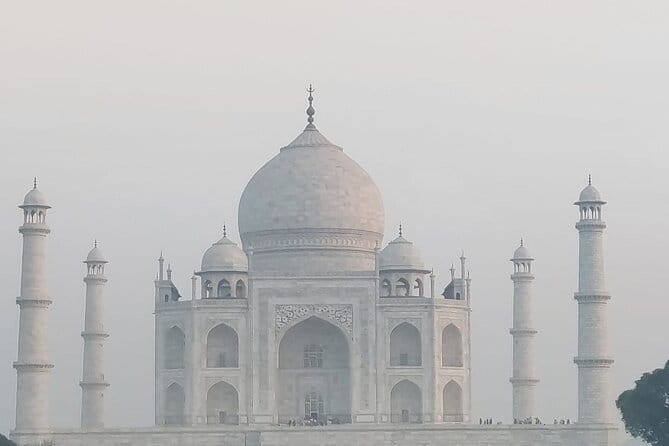
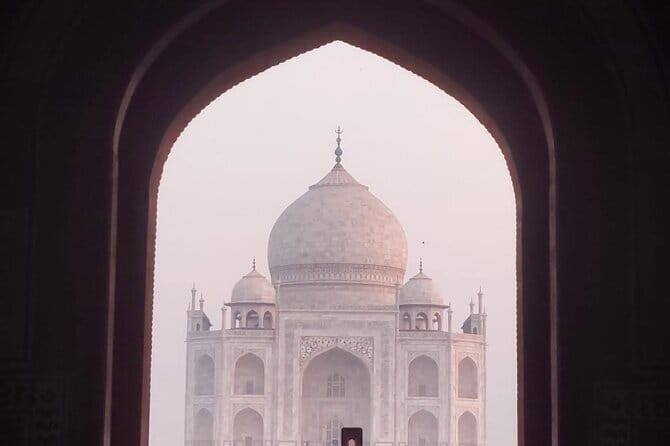
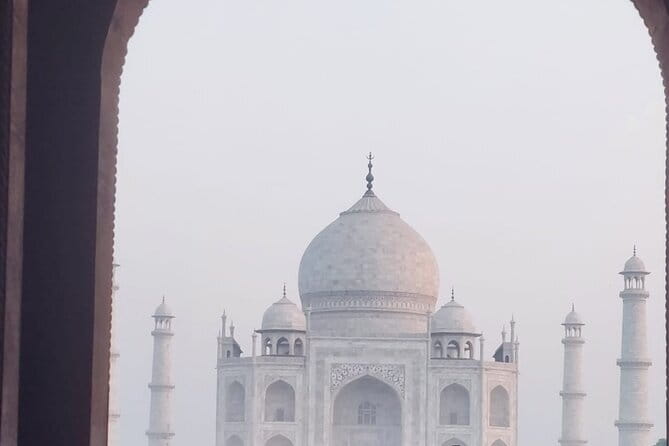
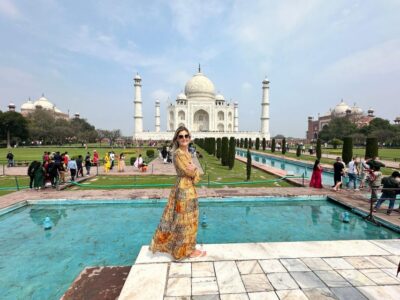
The Taj Mahal receives a dedicated two-hour visit on day four. That is important. The monument deserves more than a quick stop squeezed between other attractions.
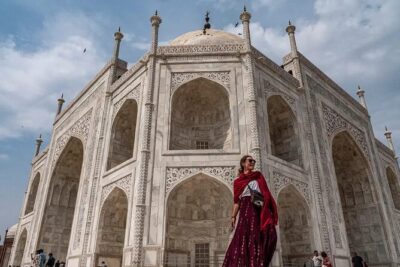
The white marble mausoleum was commissioned by Mughal emperor Shah Jahan for Mumtaz Mahal, his beloved second wife. The site is famous, but the experience still depends heavily on timing, pace, and the quality of the explanation you receive. Raju can arrange the visit around the tour schedule, though the supplied details do not specify an exact entry time.
You are also offered the well-known Diana seat for a photograph. It is a familiar image, but it gives you a clear view toward the monument and a simple way to mark the visit.
Do not judge the Taj Mahal only by how many photographs you take. Give yourself time to notice the symmetry, marble work, gardens, and changing views as you move through the complex. Since the visit is only listed as two hours, ask in advance whether that includes entry arrangements and how the morning is structured.
A few more Jaipur tours worth weighing up
- Jaipur: Private Full Day Sightseeing Tour By Car with Guide
★ 4.9 · 1,839 reviews - 3-Hour Morning Bike Tour of Jaipur
★ 5.0 · 1,253 reviews - Jaipur: Private Sightseeing Day Tour with Guide by Car
★ 4.8 · 773 reviews - Jaipur: Private Full-Day Sightseeing Tour by Tuk-Tuk
★ 4.8 · 573 reviews
Fatehpur Sikri and Abhaneri break up the road to Jaipur
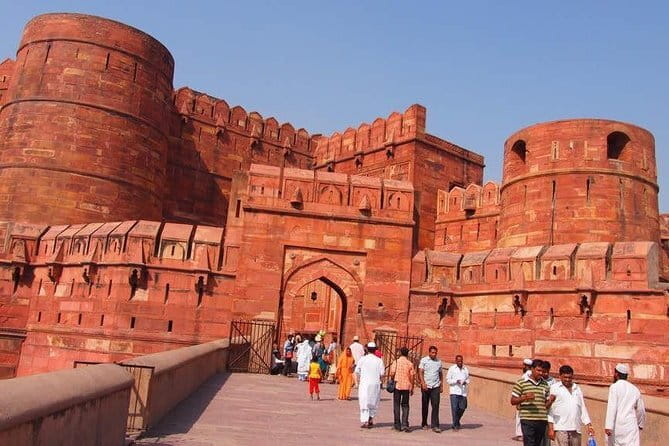
Day five links Agra and Jaipur with three very different stops. Fatehpur Sikri was commissioned after a military victory in Gujarat in the late 1500s. Its Victory Gate is particularly striking, but the wider complex is what makes the stop worthwhile.
Jodha Bai’s Palace is described as the largest palace at Fatehpur Sikri. Its red sandstone design blends Hindu and Persian elements, offering a useful reminder that Mughal India was shaped by several artistic and religious traditions. The planned time at the gate and palace is about an hour each.
The stop at Abhaneri is shorter, about 30 minutes, but it may be one of the most memorable for visitors interested in engineering. Chand Baori, an eighth-century step-well, drops in a precise pattern of stairs and terraces. It is a practical water structure, but its repeating geometry gives it the drama of a monument.
The drawback is time. Three sites plus a road transfer can make this a long day, and 30 minutes at Abhaneri may not satisfy anyone who wants to photograph every angle. Still, the route makes sense: you are not simply losing a day to highway travel, and each stop shows a different side of Rajasthan.
Jaipur begins with monkeys, royal cremation sites, and local shopping
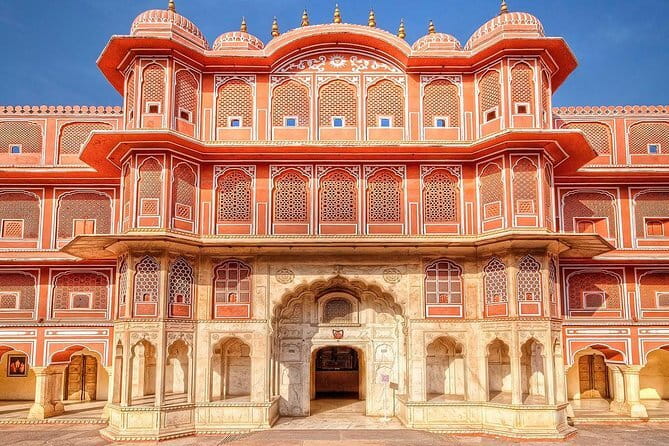
On day six, Galtaji Temple offers a very different mood. Known as the Monkey Temple, it is built around spring water that flows through narrow rock openings into a series of pools. Pilgrims come to bathe, and temples honor the sacred water.
This is an active religious place, not just a monument. Dress and behavior should be respectful, and you should expect uneven walking surfaces. The visit is listed at one hour, with admission included.
Gaitore Ki Chhatriyan follows. These ornate cenotaphs honor Jaipur’s royal kings and queens. The structures are quieter than the city’s major palace sights, and the carved details reward a slower look.
The afternoon is deliberately open-ended. You can ask Raju to help locate something specific to take home, visit a workshop, or find out how a local item is made. This is where the tour differs most from a fixed sightseeing package. The experience can be shaped around your interests, although you should be clear about what you want before the day begins.
The wording of the schedule leaves the exact shopping and craft activities open. That is useful if you have a strong wish list, but less useful if you want a fully specified program. Ask for examples of the available options and agree on prices before buying anything.
Jaipur’s palace day brings the big royal sights
Day seven is the grand Jaipur finale. City Palace is the first major stop, with about two hours to see its courtyards, palace buildings, and royal collections. Admission is included.
The schedule also refers to the Water Palace, known as Jal Mahal, the former summer residence of Jaipur’s royal family. It is suggested as a place to see while having lunch or watching the sunset. Since lunch is not included, you choose and pay for that meal separately. The exact visit length is not stated, so confirm how this stop fits around City Palace and Amber Fort.
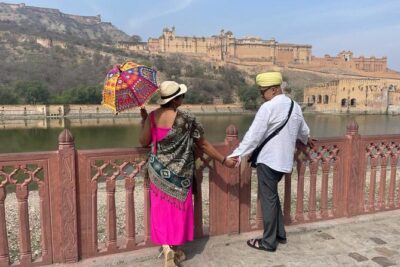
Amber Fort gets another two hours. Its large ramparts, gates, and cobbled streets give you a strong sense of the defensive and ceremonial side of Jaipur’s former royal center. Wear sensible shoes, since the fort involves walking on uneven surfaces and through sloping areas.
The afternoon again allows three hours for shopping and relaxation. That makes the final sightseeing day less frantic than a schedule that packs in one monument after another. It also gives you time to return to a shop, rest, or make one last request.
Food, hotels, and the real cost of the trip
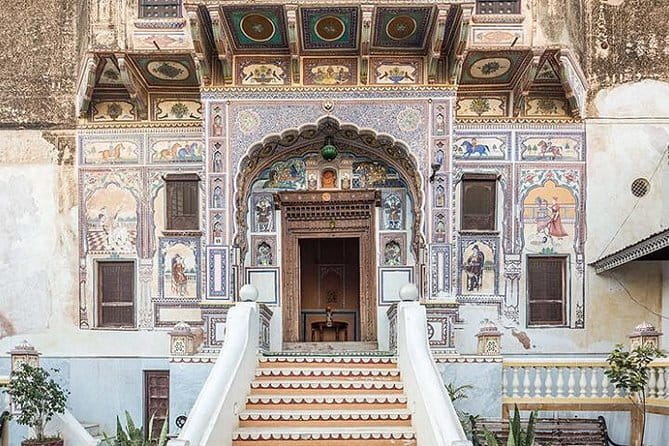
The price is listed at $224.71 per person, which can be appealing for an eight-day private tour. The value depends on what your final booking includes, especially accommodation and transport details.
Breakfast is included each morning, with seven breakfasts listed. Lunch and dinner are not included. Lunch may take place during a transfer or at a local venue selected on the day, while dinners are presented as a chance to try a different experience each night.
That arrangement gives you choice, but it also means the advertised price is not your complete food budget. You should set aside money for 14 unincluded meals, plus drinks and any personal purchases. The tour description identifies the Red Fox in Delhi as the minimum accommodation standard and says a higher level can be negotiated.
That is a useful point to settle before paying. Ask which hotels are included in Agra and Jaipur, what room category is planned, and how much an upgrade would cost. The supplied information also describes Raju as someone who has organized hotels and food for past clients, so you can discuss your preferences directly rather than accepting an unknown standard.
The private car arrangement is another part of the value. Raju is described as a careful, punctual driver with a clean vehicle, and that can make a major difference on a route with busy urban roads and several intercity transfers. Still, the booking details should confirm the vehicle, luggage space, and whether fuel, tolls, and monument transfers are included.
Who should book this eight-day private tour
I would choose this trip if you want the main Golden Triangle sights but do not want a rigid group itinerary. It suits first-time visitors who would like a guide to handle the driving, explain the monuments, and help arrange local experiences.
It is also a good match for people with a personal interest in food, craft, shopping, or photography. The open time in Jaipur is more useful to you if you arrive with a few clear requests.
The tour is less suitable if you want a luxury hotel package with every meal included, or if you dislike long road days. The schedule includes several substantial sightseeing days, and the combination of walking, heat, traffic, and transfers calls for moderate physical fitness.
You should also be comfortable with a flexible plan. The freedom to shape the experience is a strength, but you will get more from it if you communicate clearly with Raju about pace, meals, shopping, and the sights that matter most.
Booking details worth checking before departure
Pickup is offered, and the experience runs Monday through Sunday between 7:00 AM and 9:00 PM during the stated operating period. Confirmation is provided at booking, and the tour is listed as a private activity for your group only.
Mobile tickets and group discounts are available. Free cancellation applies when you cancel at least 24 hours before the start time. Changes or cancellations inside that window are not accepted for a refund, using local time as the cutoff.
I would confirm these practical points before departure:
- Which accommodation is included in each city
- Whether a room upgrade has an extra cost
- The vehicle and luggage arrangements
- How the Water Palace stop fits into day seven
- Which meals and monument tickets are covered
- How much time is allowed for shopping or special requests
FAQ
How long is the Golden Triangle tour?
The tour lasts approximately eight days, beginning with arrival in Delhi and ending with departure from Jaipur or transfer to your next destination.
Which cities and regions does the tour visit?
The route covers New Delhi, Agra, Fatehpur Sikri, Abhaneri, and Jaipur.
Is the tour private?
Yes. Only your group participates in the activity.
Is breakfast included?
Yes. Seven breakfasts are included in the tour.
Are lunch and dinner included?
No. Lunch and dinner are not included in the tour fee. Lunch may be taken during transit or at a local venue, and dinner is arranged separately each night.
Can I cancel for a full refund?
Yes, if you cancel at least 24 hours before the experience start time. Cancellations or changes made less than 24 hours before the start time are not refunded or accepted.
Should you book it?
Book this tour if you want a private, guide-led Golden Triangle with room for local stops and personal requests. Raju’s strongest value is the combination of driving, planning, monument visits, and help with food or shopping, rather than a simple checklist of famous sights.
Before booking, settle the hotel standard, vehicle details, and daily meal budget. If you are happy with those arrangements and can handle a few long sightseeing days, $224.71 per person offers a practical way to see the Golden Triangle with more flexibility than a standard group tour.
Recently added around Jaipur
- Taj Mahal Entrance Ticket★ 5.0 · 3 reviews
- Jaipur: Ajmer & Pushkar Day Trip with Lunch & Camel ride★ 4.3 · 3 reviews
- Spiritual Private Tour of Vrindavan and Mathura★ 3.0 · 3 reviews
- Agra’s Hidden Gems & Flavors on a Thrilling Tuk-Tuk Tour 3-4 Hrs★ 5.0 · 3 reviews
- Jaipur: City Tour Full-Day Sightseeing with Guide★ 5.0 · 3 reviews
- Shop Agra Like a Local: Unique Indian Handicrafts Tour★ 5.0 · 3 reviews
- Agra: Taj Mahal and Agra Fort Private Guided Half-Day Trip★ 5.0 · 3 reviews
- From Jaipur: Taj Mahal Guided and Agra Tour By Car★ 5.0 · 3 reviews
Golden Triangle Tours, compared.
Golden Triangle & Ranthambore: 4-Day Private Tour from Delhi
Read our review →
Private 6-Day Golden Triangle Tour: Delhi, Agra, Jaipur by Car
Read our review →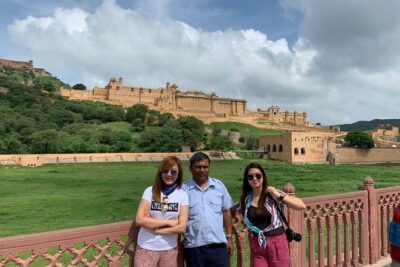
4 Days Golden Triangle Tour – Private, Guided & All Inclusive
Read our review →Browse the lists this tour appears in