

Reviewed · GOLDEN TRIANGLE TOURS
From Delhi: Private 4-Day Golden Triangle Tour with Pickup
The best part of this private Golden Triangle tour is its range. In four days, you move from Delhi’s crowded lanes and Mughal monuments to the Taj Mahal, then on to Jaipur’s Rajput forts and royal palaces. It is a fast trip, but it covers the major sights with your own car, driver, and local guide in each city.
I like the door-to-door pickup from Delhi, Noida, Gurugram, Ghaziabad, and Faridabad, and I like having a different city guide for Delhi, Agra, and Jaipur. Guides such as Bawesh, Rashid, Ali, and Mishi have been praised for clear explanations and patient sightseeing. The main drawback is the amount of time in the car, especially on the long drives between cities.
In This Review
- Key points at a glance
- Why this four-day route works
- Day one, from Jama Masjid to Agra
- Day two, the Taj Mahal before breakfast
- Day three, Mughal ruins and Rajasthan’s stepwells
- Day four, Jaipur’s royal side
- The car, guides, and room setup
- What the price really includes
- Who should book it
- Final verdict
- FAQ
- Where does the tour pick me up?
- Which cities does the tour visit?
- Is the tour private?
- What vehicle will be used?
- Are hotels and breakfast included?
- Are monument entry tickets included?
- Which languages are available for the guides?
- Is the Taj Mahal visit at sunrise?
- Can I cancel or pay later?
Key points at a glance
- Sunrise at the Taj Mahal: Start early for softer light, cooler temperatures, and a quieter visit before returning for breakfast.
- A real Delhi introduction: Ride a cycle rickshaw through Chandni Chowk and pass major sights including Red Fort, India Gate, and the President’s Palace.
- More than the headline monuments: Agra Fort, Baby Taj, Mehtab Bagh, Fatehpur Sikri, Abhaneri, and Galtaji Temple add useful context.
- Private transport throughout: A sedan serves one or two people, a six-seat wagon carries three or four, and a minivan serves five to ten.
- Hotels are optional: Accommodation ranges from listed three-star properties to five-star hotels, with breakfast included when that option is selected.
- Budget beyond the tour price: Monument tickets cost about $80 in total, while meals, drinks, and optional dinner are extra.
Why this four-day route works

The Golden Triangle links Delhi, Agra, and Jaipur in a rough triangle across northern India. Each city offers a different chapter: Delhi brings imperial and modern India together, Agra focuses on Mughal architecture, and Jaipur gives you the grand courts and forts of Rajasthan.
At $123 per person, the tour looks especially good value if you choose shared hotel rooms and travel with another person. The price includes a private air-conditioned vehicle, fuel, water, hotel pickup and drop-off, local guides, and the Taj Mahal parking transfer by electric vehicle. Accommodation and breakfast depend on the option you select, so check that detail carefully before booking.
The tour is not an all-inclusive package. You need to budget about $80 for monument tickets, plus food and drinks. That extra cost matters because the itinerary includes many paid sights in three cities. Still, private transport and guides at this price can save you the work of arranging separate cars, hotels, and sightseeing.
More Golden Triangle itineraries:
- Golden Triangle & Ranthambore: 4-Day Private Tour from Delhi
★ 5.0 · 355 reviews - From Delhi: Private 3-Day Golden Triangle Tour with Hotels
★ 4.9 · 339 reviews - From Delhi: Private 5-Day Golden Triangle Tour
★ 4.9 · 208 reviews
Day one, from Jama Masjid to Agra
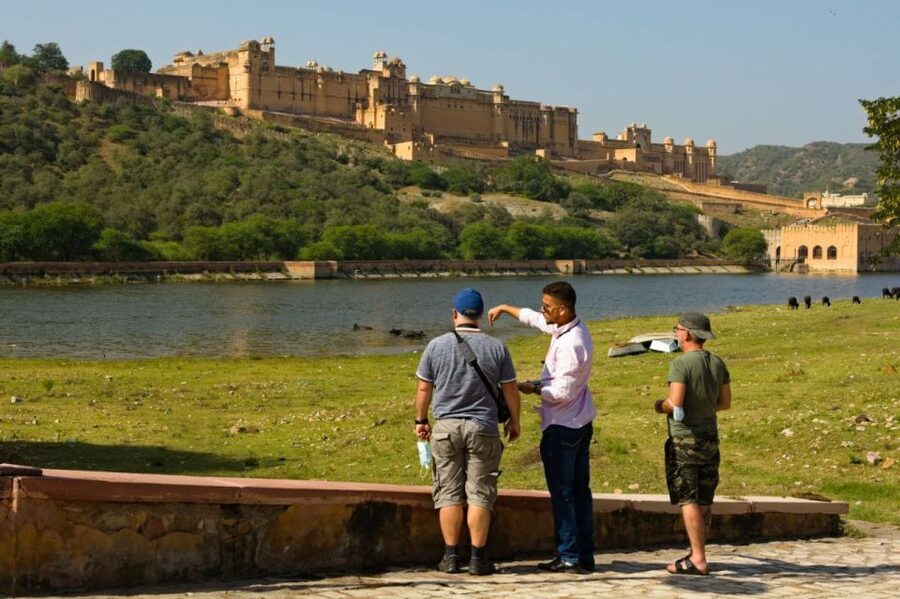
Your first morning begins with pickup from a hotel, airport, or another location in Delhi, Noida, Gurugram, Ghaziabad, or Faridabad. The order of stops may vary, but the day covers both Old and New Delhi before the drive to Agra.
Start at Jama Masjid, one of Old Delhi’s major landmarks. The setting gives you an immediate sense of Delhi’s older quarters, where formal religious architecture sits beside packed streets and market activity. From here, a cycle rickshaw takes you through Chandni Chowk.
The rickshaw ride is one of the more memorable parts of the schedule because it lets you see the narrow lanes at street level instead of from behind a car window. The route includes the Spice Market, where color, scent, and commerce make the experience feel less polished and more connected to daily life. Keep your belongings secure, and wear comfortable clothes for the tight streets and busy surroundings.
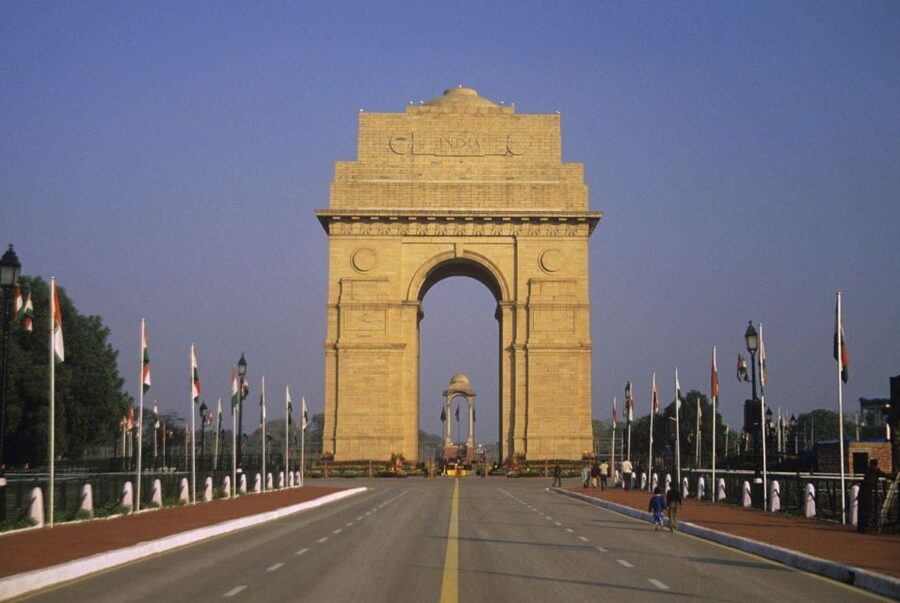
You then pass the Red Fort, India Gate, and the President’s Palace. These stops are mainly viewed from outside or during the drive, so do not expect a long visit at each one. Their value is in showing how Delhi’s Mughal, colonial, and modern government districts fit together.
The longer sightseeing stops in New Delhi include Qutub Minar, Humayun’s Tomb, and Lotus Temple. Qutub Minar gives you a close look at one of Delhi’s best-known historic towers and its surrounding complex. Humayun’s Tomb is particularly useful preparation for Agra, since its Mughal garden-tomb design helps you understand the architectural ideas that later appear in the Taj Mahal.
Lotus Temple offers a change of mood. Its simple exterior and open setting contrast with the detailed stonework of the older monuments. Your guide can help connect the sites rather than leaving you with a string of disconnected photo stops.
After Delhi, you drive to Agra for the first overnight stay. This is a full day, and traffic can affect the timing. The private car gives you more control than a large group bus, but it cannot remove the distances or Delhi’s road congestion.
Day two, the Taj Mahal before breakfast
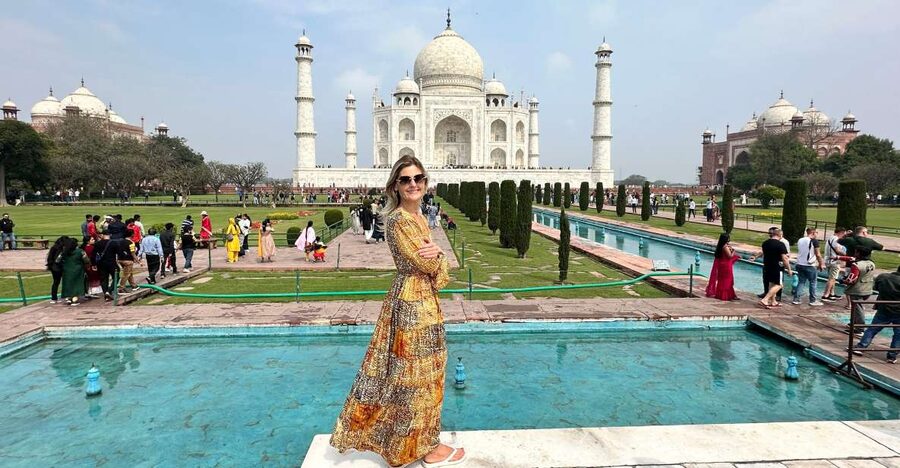
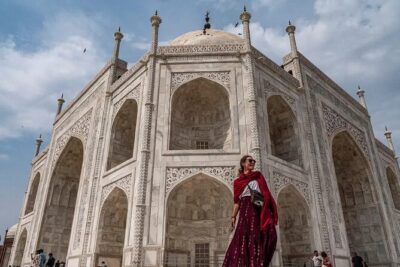
The second day begins early with a sunrise visit to the Taj Mahal. This is the right time to see it. Morning light gives the white marble a softer appearance, and the cooler air makes the walk easier than it would be later in the day.
The tour includes an electric vehicle transfer to and from the Taj Mahal parking area. That small detail saves time and reduces the hassle of the approach. Your guide joins you at the monument and explains the building, its decoration, and the story behind it. Guides who are good with photography can also help you get the classic Taj Mahal images without rushing you through the visit.
After the Taj Mahal, return to the hotel for breakfast and a shower. This pause is practical, not decorative. An early start followed by several monuments can make the day tiring, and a break gives you a chance to reset before the afternoon.
Agra Fort is the next major stop. Unlike the Taj Mahal, which is often experienced as a single powerful view, Agra Fort rewards a slower look at courtyards, walls, halls, and royal spaces. It also helps explain the political world behind Mughal Agra. A guide can point out how the fort functioned as both a defensive complex and a royal residence.
The Tomb of I’timād-ud-Daulah, commonly called the Baby Taj, brings you closer to the fine detail of Mughal decoration. Its marble inlay work is the main reason to visit. The monument is smaller than the Taj Mahal, but that makes the craftsmanship easier to study.
Finish with Mehtab Bagh, a garden across the Yamuna River with views toward the Taj Mahal. The perspective is different from the main entrance and can give your second look at the monument a calmer feel. After sightseeing, you return to your Agra hotel for another night.
This is a strong day, but it is also a long one. The sunrise visit means an early wake-up, and the schedule includes four major stops. You will get more from it if you accept that the day is about seeing important places rather than lingering for hours at one site.
Day three, Mughal ruins and Rajasthan’s stepwells
Leave Agra early for Fatehpur Sikri, a UNESCO World Heritage Site and former Mughal capital. The red sandstone complex includes Buland Darwaza and Jama Masjid, along with other palace and religious buildings. Its broad courtyards and grand gateways make it feel different from the enclosed rooms of Agra Fort.
Fatehpur Sikri is worth the stop because it shows Mughal planning on a large scale. It is also a useful break in the drive to Jaipur. Your guide can explain the purpose of the buildings and help you separate the site’s religious, royal, and administrative areas.
After lunch, continue to Abhaneri, known for its ancient stepwell and carefully arranged architecture. Stepwells were practical water structures, but their stairs and platforms also created dramatic geometric patterns. This stop adds a less famous piece of northern Indian architecture to a route otherwise dominated by headline monuments.
The final sightseeing stop is Galtaji Temple, a Hindu pilgrimage site surrounded by rocky terrain and natural scenery. Monkeys live around the temple, which adds an unpredictable, lively element to the visit. Keep food and loose items secure, and follow your guide’s advice around the animals.
You then continue to Jaipur and check into your hotel. The drive makes day three another demanding day, but the stops break it into distinct sections. If you prefer a slower pace, this is the day most likely to feel compressed.
An optional dinner at Green Pegion with folk dance is suggested, but it costs extra. Treat it as an add-on rather than part of the basic tour price.
A few more Jaipur tours worth weighing up
- 4 Days Golden Triangle Tour – Private, Guided & All Inclusive
★ 5.0 · 27 reviews - Private 4-Day Wildlife & Taj Mahal Tour from Jaipur to Delhi
★ 5.0 · 23 reviews - From Jaipur- 4 Day Private Jaipur & Agra Tour With Delhi Drop
★ 5.0 · 17 reviews - 4 Day Golden Triangle Tour to Agra and Delhi From Jaipur
★ 5.0 · 16 reviews
Day four, Jaipur’s royal side

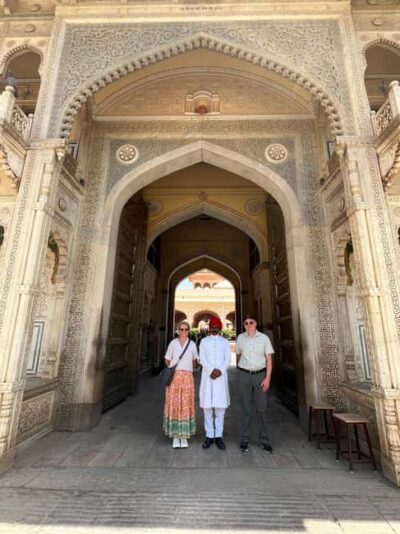
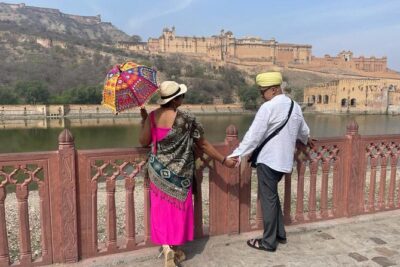
Jaipur’s final sightseeing day begins at Amer Fort, the strongest stop in the city for understanding Rajput royal life. The fort combines defensive walls, courtyards, decorated halls, and hilltop views. Your guide can help you notice the blend of military design and palace ceremony rather than reducing the visit to a quick photo.
The itinerary then passes Jal Mahal, the palace set in the water. This is primarily a viewing stop from the roadside, so expect a short look rather than a full palace tour.
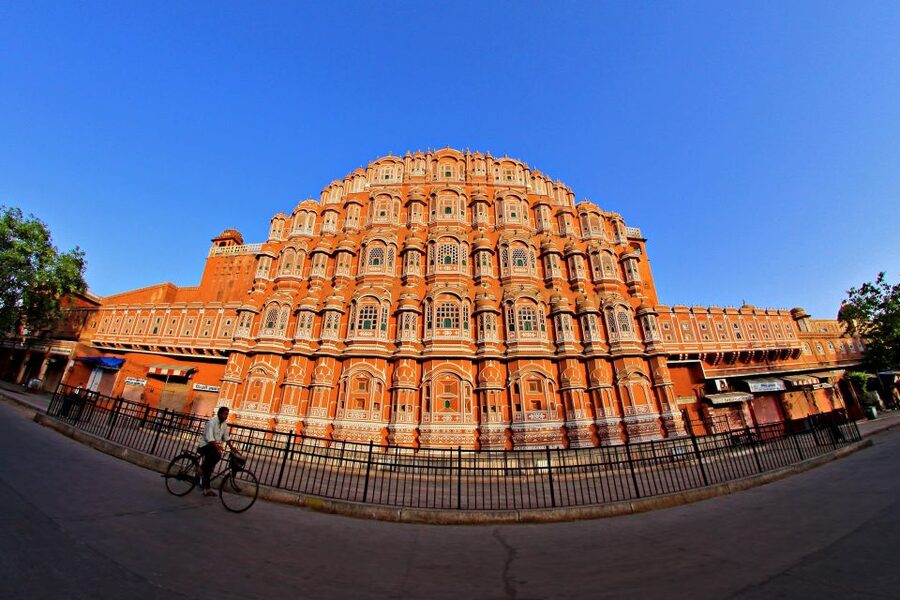
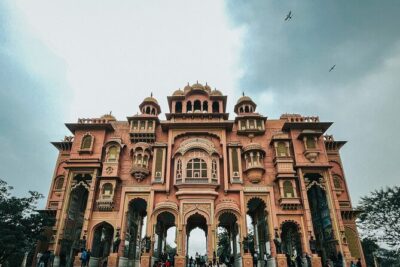
Hawa Mahal, or the Palace of Winds, is another exterior-focused stop in most versions of this route. Its many windows and layered facade were designed for the royal women to watch activity outside without being seen. The building is compact but highly photogenic, especially when viewed from across the street.
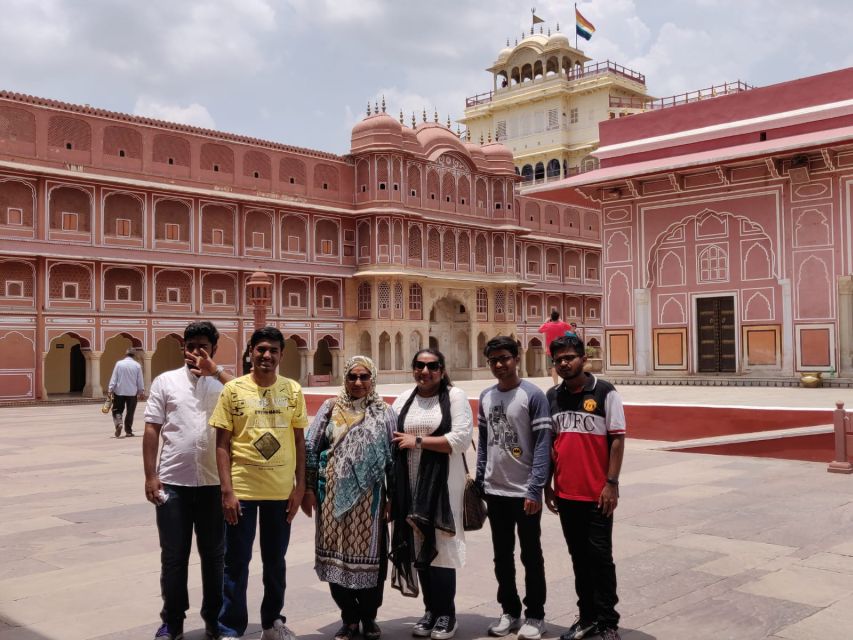
At Jaipur City Palace, you get a closer look at the city’s royal identity. The complex brings together palace courtyards, decorative details, and spaces tied to the Maharaja’s household. It pairs well with Amer Fort because the fort shows royal power on the hill, while the City Palace shows court life in the city.
Jantar Mantar completes the Jaipur program. It is an observatory filled with large astronomical instruments, including structures built to track time and celestial positions. The scale is surprising, and a guide makes the visit much clearer than walking through it without context.
After the sightseeing, your driver begins the return journey to Delhi and drops you at your chosen location. This final road trip is the biggest logistical compromise of a four-day Golden Triangle tour. It lets you finish in Delhi without arranging another transfer, but the day can feel long after a morning of monuments.
The car, guides, and room setup
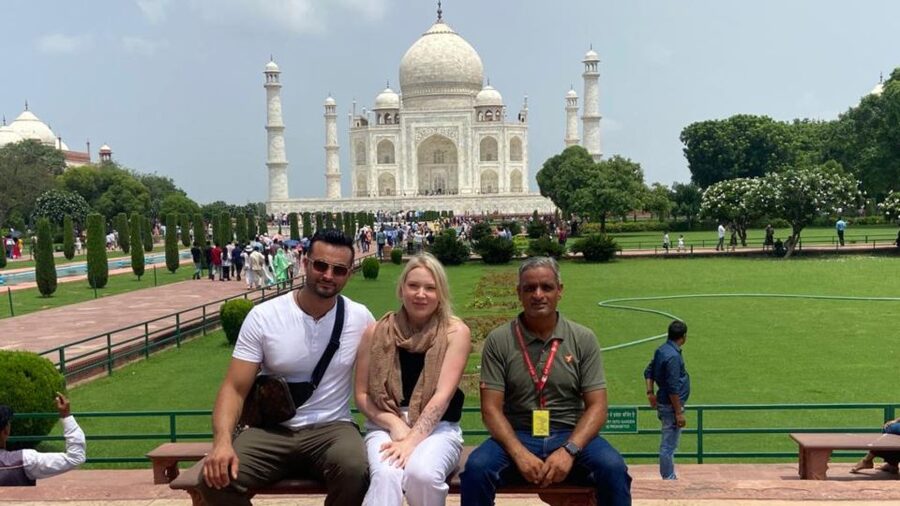
The private format is one of the tour’s strongest features. You have one driver for the full route and a local guide in each sightseeing city. This gives you continuity in the car while still providing city-specific explanations.
Drivers praised on this route include Bhola, Mehboob Khan, Rahul, Shahid, and Sanjay. The most useful qualities are punctual pickups, clean vehicles, bottled water, safe driving, and help with luggage. Mehboob Khan and Rahul, in particular, were noted for making the road days comfortable and looking after passengers. One practical warning: several days include long drives, so bring a small cushion if you need extra back support.
The vehicle depends on group size:
- One or two people: four-seat sedan
- Three or four people: six-seat wagon
- Five to ten people: ten-seat minivan
The tour remains private, but a larger vehicle does not necessarily mean more space per person once luggage is loaded. Ask about luggage room if you are traveling with large bags.
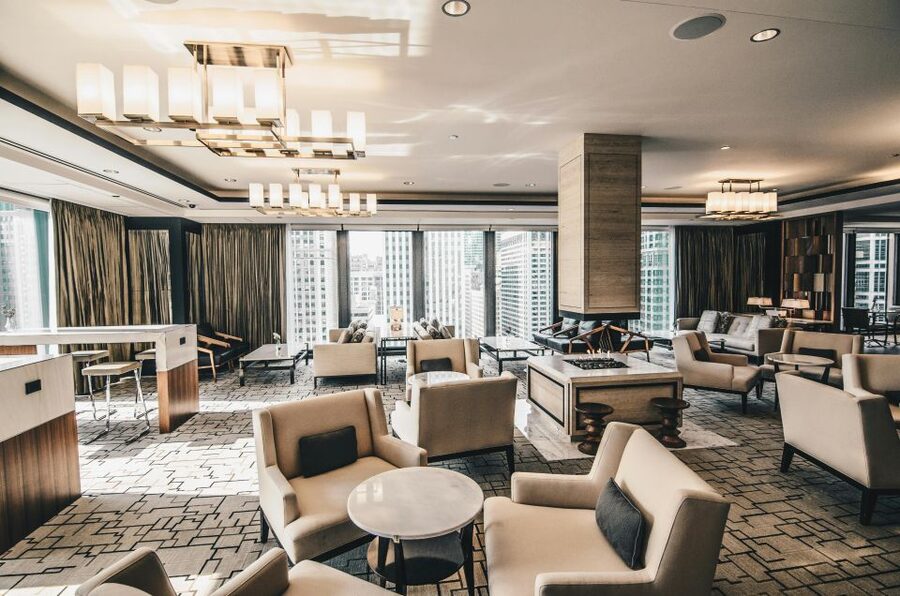
Hotel choices range from three-star to five-star options. Listed Agra examples include Hotel Taj Vilas, Hotel Regal Vista, Hotel Grand Mercure, Hotel Radisson, DoubleTree by Hilton, and Courtyard by Marriott. Jaipur options include Hotel Vesta Maurya Palace, Hotel Lilypool, Hotel Sarovar Premiere, Hotel Indana Palace, and Hotel Trident, or similar properties.
Rooms are generally twin-sharing. Three people usually share one triple room. If three people want two separate rooms, an extra cash payment of $150 applies from April through September, or $250 from October through March.
What the price really includes
The base price is attractive because it covers the expensive moving parts: private transport, fuel, pickup, drop-off, local guides, bottled water, and three nights of accommodation if you choose a hotel package. Breakfast is included only when accommodation with breakfast is selected.
You still pay for monument entry, estimated at about $80 for Delhi, Agra, and Jaipur. Meals and drinks are not included, and the Green Pegion folk-dance dinner costs extra. Add those expenses before comparing this tour with a package that appears more expensive but includes entrance fees or meals.
The five-star hotel option can offer particularly strong value for people who want comfortable rooms without arranging the trip themselves. If you are watching your budget, the three-star option keeps the overall cost lower, but the exact hotel is subject to availability and may be a similar property rather than the named example.
Who should book it
I would choose this tour if you have only four days, want the major sights covered, and prefer not to negotiate transport between cities. It also suits solo visitors who want a private driver and local support, especially since the vehicle and guides stay organized around one booking.
It is a good fit for first-time visitors, couples, families with older children, and anyone who values flexibility over a fixed group schedule. The tour is wheelchair accessible, offers guides in English, French, Spanish, Japanese, German, Chinese, Hindi, and Portuguese, and allows cancellation up to 24 hours before departure for a full refund. Reserve now and pay later is also available.
I would hesitate if you dislike early mornings, long road journeys, or a packed sightseeing schedule. The tour is not suitable for pregnant women, unaccompanied minors, or people bringing pets. Children need a passport or ID card, as do adults.
Final verdict
Book this private Delhi to Agra and Jaipur tour if you want an efficient first look at India’s Golden Triangle and value having a driver, hotel plan, and local guides arranged together. The Taj Mahal sunrise, Delhi rickshaw ride, Agra Fort, Fatehpur Sikri, Abhaneri, and Amer Fort give you a satisfying spread of famous and less expected sights.
Go in with clear expectations: the $123 starting price does not include about $80 in monument tickets, meals, or every optional activity, and the road time is substantial. If you bring comfortable shoes, small cash for incidental tips, a cushion for the car, and patience for the pace, this is a practical way to see a lot of northern India in four days.
FAQ
Where does the tour pick me up?
Pickup is available from hotels and other locations in Delhi, Noida, Gurugram, Ghaziabad, and Faridabad. Airport pickup in Delhi is also available.
Which cities does the tour visit?
The route covers Delhi, Agra, and Jaipur. It also includes stops at Fatehpur Sikri, Abhaneri, and Galtaji Temple while traveling to Jaipur.
Is the tour private?
Yes. The booking is for a private group with private air-conditioned transport and local guides for the sightseeing.
What vehicle will be used?
One or two people travel in a four-seat sedan. Groups of three or four use a six-seat wagon, and groups of five to ten use a ten-seat minivan.
Are hotels and breakfast included?
Three nights of accommodation and hotel breakfasts are included only if you select the accommodation option. Hotel choices range from three-star to five-star categories.
Are monument entry tickets included?
No. You should budget approximately $80 for monument tickets in Delhi, Agra, and Jaipur.
Which languages are available for the guides?
Guides are available in English, French, Spanish, Japanese, German, Chinese, Hindi, and Portuguese.
Is the Taj Mahal visit at sunrise?
Yes. The itinerary schedules the Taj Mahal visit early in the morning, followed by breakfast and a return to the hotel.
Can I cancel or pay later?
You can cancel up to 24 hours in advance for a full refund. Reserve now and pay later is also available.
Recently added around Jaipur
- Taj Mahal Entrance Ticket★ 5.0 · 3 reviews
- Jaipur: Ajmer & Pushkar Day Trip with Lunch & Camel ride★ 4.3 · 3 reviews
- Spiritual Private Tour of Vrindavan and Mathura★ 3.0 · 3 reviews
- Agra’s Hidden Gems & Flavors on a Thrilling Tuk-Tuk Tour 3-4 Hrs★ 5.0 · 3 reviews
- Jaipur: City Tour Full-Day Sightseeing with Guide★ 5.0 · 3 reviews
- Shop Agra Like a Local: Unique Indian Handicrafts Tour★ 5.0 · 3 reviews
- Agra: Taj Mahal and Agra Fort Private Guided Half-Day Trip★ 5.0 · 3 reviews
- From Jaipur: Taj Mahal Guided and Agra Tour By Car★ 5.0 · 3 reviews
Golden Triangle Tours, compared.
Golden Triangle & Ranthambore: 4-Day Private Tour from Delhi
Read our review →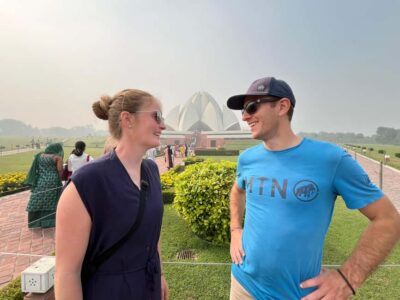
Private 6-Day Golden Triangle Tour: Delhi, Agra, Jaipur by Car
Read our review →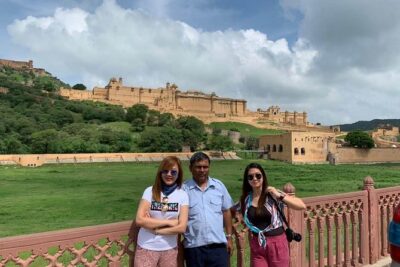
4 Days Golden Triangle Tour – Private, Guided & All Inclusive
Read our review →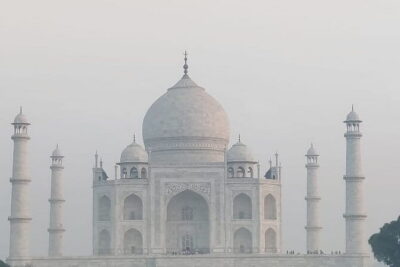
Explore Private Tour The Golden Triangle Done Differently
Read our review →Browse the lists this tour appears in