
Reviewed · WALKING TOURS
Afternoon Walking tour -The Pushkar Route
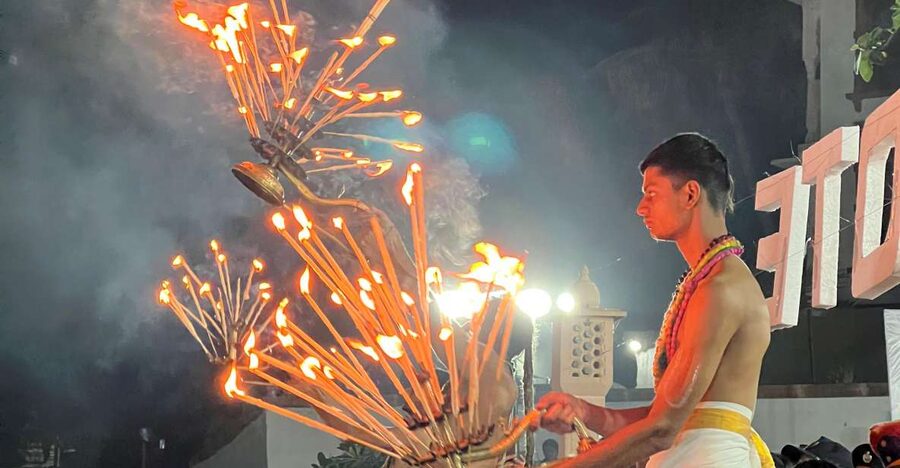
Pushkar’s great appeal is how much of its spiritual life fits around one sacred lake. In three hours, this private walk takes you from the Brahma Temple to the lake’s 52 ghats, through quiet lanes, and into an evening Hindu pooja ceremony. It is a useful first look at the town without the usual shopping stops.
I like two things right away: the tour makes no shopping pressure, and it connects temples, Hindu customs, local food, and everyday life instead of treating Pushkar as a string of photo stops. Guides such as Manish have been praised for calm, clear explanations. The main consideration is pace: seeing all 52 ghats and several temples on foot in three hours leaves little time for lingering.
In This Review
- Key points at a glance
- Why Pushkar makes a good change of pace
- Starting at the Brahma Temple
- Walking the 52 ghats around Pushkar Lake
- Gandhi Ghat and Queen Mary Ghat
- Pushkar’s lanes after the main sights
- Halwai Gali and the taste of malpua
- Ending with a Hindu pooja ceremony
- A private group for $6
- What the guide adds
- Timing, walking, and practical planning
- Who should book this Pushkar walk?
- Should you book The Pushkar Route?
- FAQ
- How long does the Pushkar Route walking tour last?
- What language is the tour conducted in?
- Is this a private tour?
- Does the tour include shopping stops?
- Is hotel pickup included?
- Which temple is included?
- Does the tour visit Pushkar Lake?
- Is food included?
- Does the tour include a Hindu ceremony?
- Can I cancel for a full refund?
Key points at a glance
- A shopping-free walk: You can focus on Pushkar’s religious life without being steered toward stores.
- The full lake circuit: The route covers all 52 ghats, including Gandhi Ghat and Queen Mary Ghat.
- Brahma Temple included: This is the principal temple visit and a major reason to choose this tour.
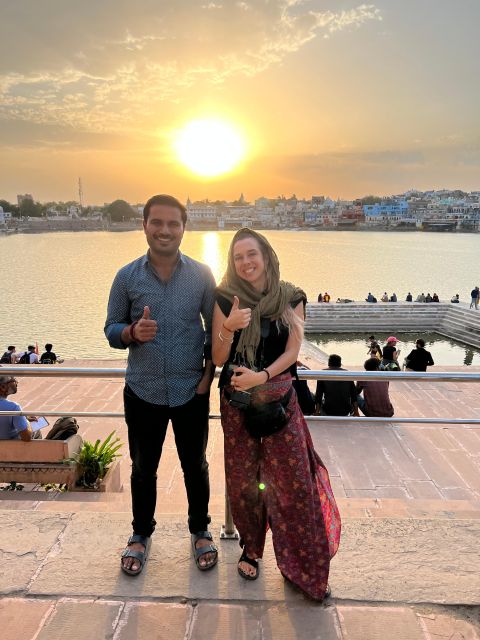
- Evening is the right time: Pushkar’s lanes and lakefront become quieter and more atmospheric later in the day.
- Local tastes are part of the walk: You receive malpua, a famous Pushkar sweet, along with masala tea.
- Private English-speaking guide: The tour is for a private group, with hotel pickup available within two kilometres of central Pushkar.
Why Pushkar makes a good change of pace
If Delhi, Agra, and Jaipur have left you worn out from forts, traffic, and busy sightseeing streets, Pushkar offers a different rhythm. This is a Hindu pilgrimage town built around a lake, with temples and ghats woven into ordinary daily life.
The lake is surrounded by 52 ghats. Rajasthan’s kings donated many of them, giving each section of the waterfront its own name and connection to the town’s religious past. More than 500 temples are spread through Pushkar, so even a short walk can bring you past shrines, bells, painted facades, flower sellers, and people carrying out private rituals.
The value of a guide here is not simply finding the buildings. Pushkar’s customs can be hard to read at first. A guide can explain what the ghats mean, why the lake is sacred, and how the temple visits and pooja fit into Hindu practice. The tour is designed as an introduction, so it works well near the beginning of a Rajasthan trip.
More Walking Tours in Pushkar
- Spiritual City Walking Tour-THE Pushkar Route
★ 5.0 · 907 reviews - Afternoon Walk Tour with Sunset & Fire Ritual -The Pushkar Route
★ 5.0 · 119 reviews - Evening Walking Tour with Fire Rituals-The Pushkar Route
★ 4.9 · 108 reviews
Starting at the Brahma Temple
The Brahma Temple is the headline stop. Pushkar is closely linked with Brahma, the Hindu creator god, and the temple is presented as the only one of its kind in the world. That makes this visit more than a routine temple stop. It gives the rest of the walk a clear religious focus.
Expect the guide to explain the beliefs connected with Brahma and Pushkar before taking you onward. The supplied information does not give a fixed visiting order or promise a specific amount of time inside, so keep your schedule flexible rather than planning another tight appointment immediately afterward.
Temple visits also require a respectful attitude. Dress modestly, follow the guide’s instructions, and remember that this is an active place of worship, not only a monument. The best approach is to watch quietly and let the guide explain what you are seeing.
Walking the 52 ghats around Pushkar Lake
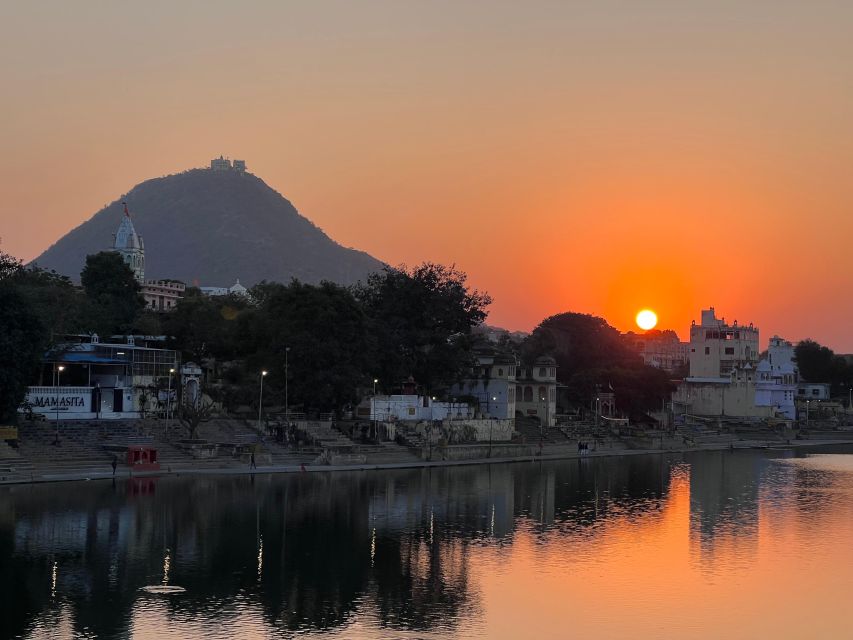
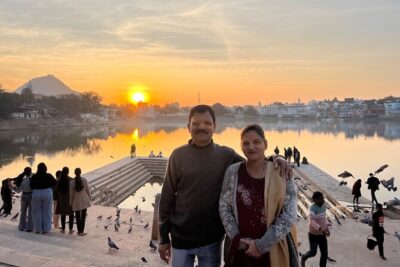
The lakefront is the heart of the route. The 52 ghats form a long chain of steps and platforms where religious customs take place. Walking around them gives you a much better sense of Pushkar than visiting one temple, taking a photograph, and leaving town.
The tour includes important stops such as Gandhi Ghat and Queen Mary Ghat. Each named ghat helps mark the lake’s history and the different groups connected with its construction and use. You will also see the lake from several angles, which matters because Pushkar’s character changes as the route moves from one waterfront section to another.
This part of the walk is also where the tour’s calm tone matters. A guide can tell you when to pause, where a ceremony is taking place, and which activity is part of local religious life. You should not expect a silent, empty waterfront, but the evening timing is intended to show Pushkar when the streets feel more peaceful.
There is a practical drawback. The route covers a lot of ground in a short period. If you want long pauses at every ghat, detailed photography, or extended temple visits, three hours may feel rushed. If your goal is to understand the town’s basic shape and spiritual purpose, the distance works in your favor.
Gandhi Ghat and Queen Mary Ghat
Gandhi Ghat is one of the named highlights, and it helps anchor the lake walk. Queen Mary Ghat is also included, giving you two distinct points on the waterfront rather than one general stop beside the lake.
The information supplied does not assign a separate story or special ceremony to each ghat, so the exact explanation will depend on your guide. That is one reason to ask questions as you walk. If a particular ghat interests you, tell the guide early so you have enough time to stop there.
The lake circuit should be treated as a cultural walk, not a fast checklist. The value comes from seeing how the ghats connect to the town, temples, and people around them. Bring patience, comfortable walking shoes, and a willingness to move at the group’s pace.
A completely different kind of day out from Pushkar:
- Spiritual Walking tour with Puja Ceremony -The Pushkar Route
★ 5.0 · 101 reviews - Walking Sightseeing Tour – The Shine Pushkar
★ 5.0 · 64 reviews - Pushkar Day Trip from Jaipur – Private Car, Safari, Guide & Lunch
★ 4.5 · 45 reviews - Evening Walking tour with Fire Ceremony – The Pushkar Route
★ 5.0 · 35 reviews
Pushkar’s lanes after the main sights
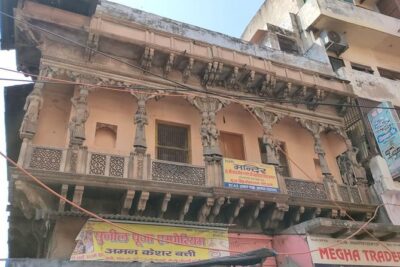
After the lake and temple visits, the route turns into Pushkar’s local streets. This is an important change of scene. Around the water, you are focused on ritual and architecture. In the lanes, you see the town’s daily activity more closely.
The route is intended to pass through local lanes when they are quieter and more pleasant in the evening. You might find a more relaxed side of Pushkar away from its best-known religious sites. The walk gives you a chance to notice how shops, homes, small shrines, and visitors fit together in the same compact town.
This section is especially useful if you have only seen Pushkar from a vehicle. Walking removes the distance between you and the town. You can ask about customs as they appear instead of receiving a general lecture at the end.
The tour is not built around shopping, which is a real advantage. Many city walks quietly turn into buying opportunities. Here, the stated aim is to keep the focus on spirituality, Hinduism, history, and local life. You can still look at the streets and shops, but you are not expected to purchase anything.
Halwai Gali and the taste of malpua
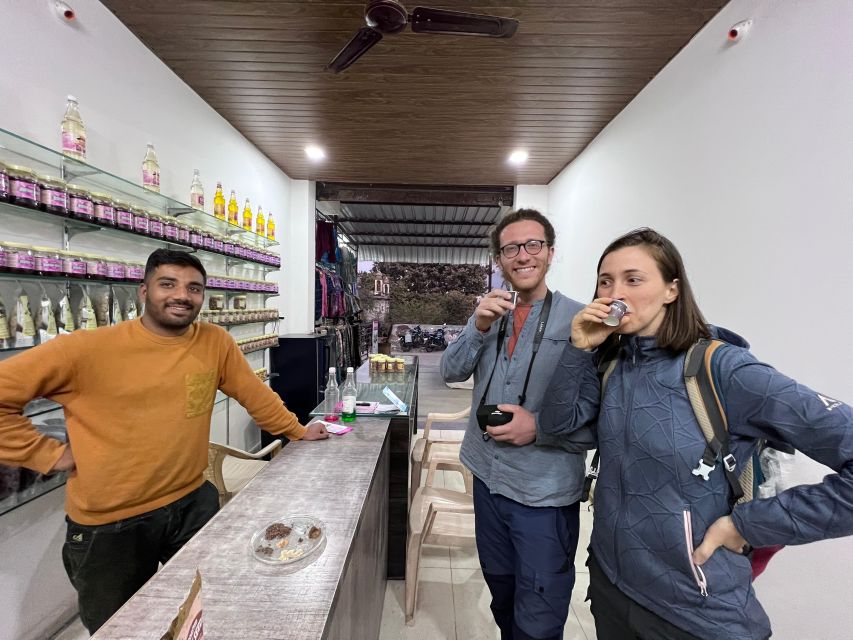
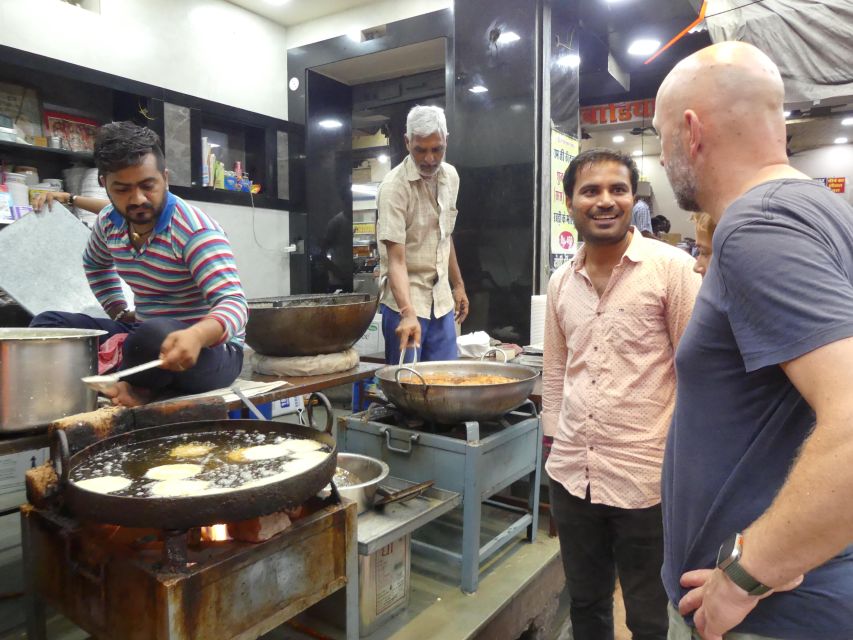
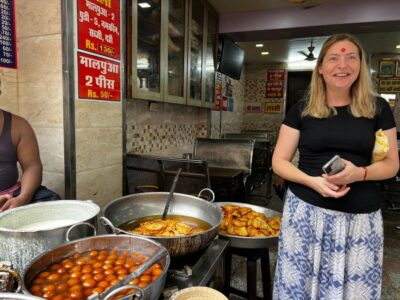
Halwai Gali adds a small but welcome food stop. The name points to the sweet makers’ lane, and the tour includes a serving of malpua, a well-known local sweet. Masala tea is included too.
This is not a full meal, so plan dinner separately if you normally eat early. Think of the food as a way to connect the walk with Pushkar’s everyday culture. A temple town is not only its sacred buildings. Its sweets, tea, lanes, and evening routines are part of the experience as well.
The food stop also breaks up the walking. After several ghats and temple explanations, a taste of something local gives you a short pause before the final ceremony. Exact flavors and serving arrangements can vary, so treat the included sweet and tea as a sample rather than a food tour.
Ending with a Hindu pooja ceremony
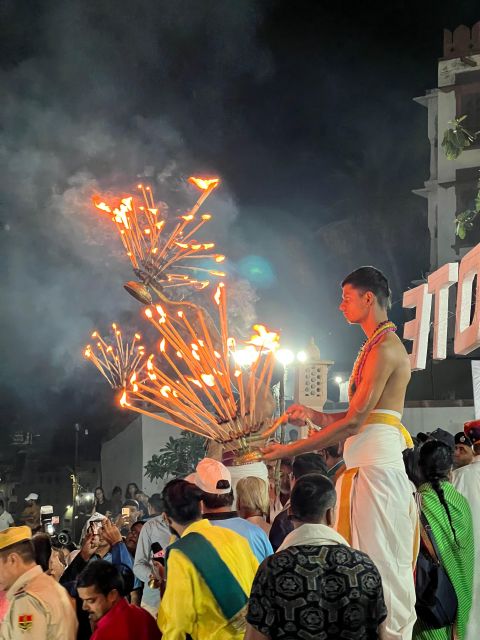
The walk ends with a Hindu pooja ceremony. This gives the afternoon a natural finish, moving from explanation into observation. Pooja refers to a religious act of offering and worship, and the ceremony helps show how Pushkar’s beliefs are practiced rather than only described.
Your guide should explain the meaning and proper behavior. Follow local instructions, avoid interrupting worship, and ask before taking photographs. The supplied details do not specify the exact ceremony location or length, so the final portion may vary with the day’s religious activity.
One piece of feedback described the celebration as small and left the participant disappointed. That is worth keeping in mind. You should not book this tour expecting a large spectacle. The ceremony may be modest, and its value is more likely to come from context and atmosphere than scale.
A private group for $6
At $6 per person, this is an inexpensive way to get a guided introduction to Pushkar. The value is strongest if you want orientation, religious context, and a planned route through the major sights. Visiting the lake, Brahma Temple, named ghats, local lanes, and Halwai Gali independently would cost less in money, but you would need to work out the route and background yourself.
The private-group format is another advantage. You are not placed in a large crowd, and you can ask questions directly. The available information does not state the maximum number of people in a private group, so do not assume it means a one-to-one walk.
Hotel pickup and drop-off are included when your hotel is within two kilometres of central Pushkar. If you are staying farther away, you will need to arrange your own way to the meeting point. Confirm this before booking, since the two-kilometre limit is specific.
The tour lasts three hours. That is long enough for a useful first survey but not enough for a slow, detailed study of every temple in a town with more than 500 of them. I would use this as an orientation walk, then return on your own to the places you want to see again.
What the guide adds

The guide is central to the experience. English is the stated language, and Manish has received especially strong praise for being professional, courteous, calm, and clear. Another guide was described as very well prepared and able to explain the city in a thorough way.
That matters in Pushkar because religious sites often need explanation. Without context, a ghat can look like a set of steps beside water, and a ceremony can be easy to misunderstand. With a good guide, you get the reason behind the place, the custom, and the timing.
Guide quality can vary from one departure to another, and the information does not promise Manish for every booking. If you have a strong interest in Hindu belief or local history, tell the guide at the start. You will get more from the walk if you make clear what you want explained.
Timing, walking, and practical planning
The tour is an afternoon experience, with the streets described as more peaceful and appealing in the evening. Check the available starting times when booking, since the exact departure is not fixed in the details provided.
Wear footwear suited to three hours of walking. The route includes lakefront ghats, temple areas, and local lanes, so you should expect a mix of surfaces and frequent stops. Carry water, even though masala tea is included.
Pickup is available only for hotels within the two-kilometre radius of main Pushkar. The tour is conducted in English and is offered as a private group. Free cancellation is available up to 24 hours before the start, and you can reserve now and pay later, which helps if your Rajasthan plans are still changing.
Who should book this Pushkar walk?
I would recommend it to first-time visitors who want the basic map of Pushkar in one afternoon. It suits you especially well if you want religion and local life together, dislike shopping detours, and prefer a private English-speaking guide.
It also fits a Rajasthan itinerary that already includes major forts and palaces. Pushkar gives you a different kind of sightseeing, with the lake and temples shaping the town rather than a single royal building dominating it.
You may want something else if you need a slow photography walk, a large ceremonial event, or a full food tour. The small pooja ceremony may not satisfy someone seeking a grand performance, and the three-hour route is ambitious for anyone who wants long stops at each ghat.
Should you book The Pushkar Route?
Book it if you want an affordable, focused introduction to Pushkar with no shopping pressure, private-group guiding, and the main religious sights covered in one walk. The strongest reasons are the lake circuit, Brahma Temple, calm evening timing, and clear explanations from guides such as Manish.
Skip it if you prefer exploring alone or want to spend an entire day inside temples and beside the lake. At $6, the risk is low, but the schedule is full. For most first visits, this is a sensible way to get your bearings and decide where to return.
FAQ
How long does the Pushkar Route walking tour last?
The tour lasts three hours.
What language is the tour conducted in?
The live tour guide speaks English.
Is this a private tour?
Yes. The experience is offered for a private group.
Does the tour include shopping stops?
No. It is promoted as a shopping-free tour with no shopping pressure.
Is hotel pickup included?
Hotel pickup and drop-off are included if your hotel is within two kilometres of main Pushkar.
Which temple is included?
The route includes Brahma Temple, described as the only one of its kind in the world.
Does the tour visit Pushkar Lake?
Yes. The walk covers all 52 ghats around Pushkar Lake, including Gandhi Ghat and Queen Mary Ghat.
Is food included?
Yes. The tour includes Pushkar’s famous sweet, malpua, and masala tea.
Does the tour include a Hindu ceremony?
Yes. The walk ends with a Hindu pooja ceremony.
Can I cancel for a full refund?
You can cancel up to 24 hours in advance for a full refund. You can also reserve now and pay later.
Recently added around Pushkar
- Jaipur: Ajmer & Pushkar Day Trip with Lunch & Camel ride★ 4.3 · 3 reviews
- Private Day Trip to Pushkar From Jaipur★ 4.5 · 3 reviews
- Explore Chittorgarh Fort With Udaipur Drop from Pushkar★ 5.0 · 4 reviews
- Food & Culture Walking Tour – The Pushkar Route★ 5.0 · 4 reviews
- Rajasthan tours: Luxury and private tour by car with guide.★ 4.8 · 4 reviews
- Private Day Trip to Holy City of Pushkar from Jaipur★ 5.0 · 4 reviews
- From Jaipur: One-Day Trip From Jaipur to Pushkar★ 3.8 · 4 reviews
- From Jaipur : Ajmer Pushkar Private Tour by Cab with Guide★ 4.0 · 5 reviews
Walking Tours, compared.

Afternoon Walk Tour with Sunset & Fire Ritual -The Pushkar Route
Read our review →
Evening Walking Tour with Fire Rituals-The Pushkar Route
Read our review →Browse the lists this tour appears in