
Reviewed · FOOD & DRINK
Experience Private Food And Culture Walk-The Pushkar Route
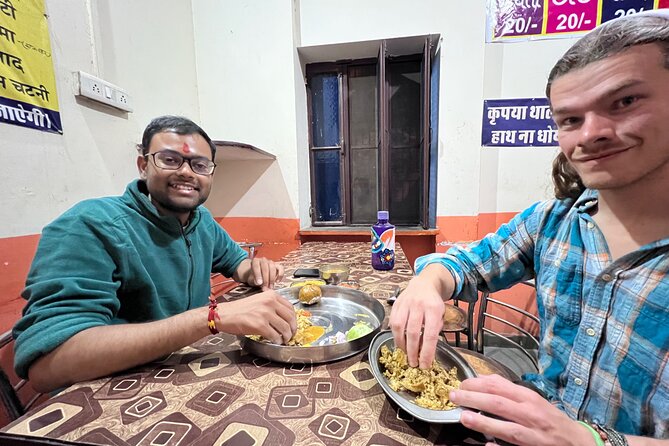
Pushkar’s best introduction may be found not in a grand monument, but in a warm bowl of poha, a crisp kachori, or a sweet malpua eaten between temple visits. This private three-hour walk with Manish connects local food with the Hindu customs and sacred places that give Pushkar its special character.
I like two things here: the food is chosen from local stalls and shops with attention to hygiene, and the route gives you time to pause between tastings at Pushkar Lake and several temples. The main consideration is that this is a walking food tour, so the heat, street conditions, and amount of food may not suit everyone.
In This Review
- Key points to know before booking
- Why this Pushkar walk works so well
- Starting at Rangji Temple
- Pushkar Lake and the rhythm of the town
- Varaha Temple and Hindu tradition
- Old Rangji Temple and the starting point
- Brahma Temple and Pushkar’s spiritual identity
- The food list: sweet, savory, local, and international
- Hygiene and food confidence
- The rose factory shop visit
- What the private format changes
- Timing, booking, and cancellation
- Who will enjoy this most
- Should you book The Pushkar Route?
- FAQ
- How long does The Pushkar Route last?
- How much does the tour cost?
- Where does the tour start?
- Where does the tour finish?
- Is pickup available?
- Is this a private tour?
- Who leads the tour?
- What food is included?
- Are temple visits included?
- Can I cancel for a full refund?
Key points to know before booking
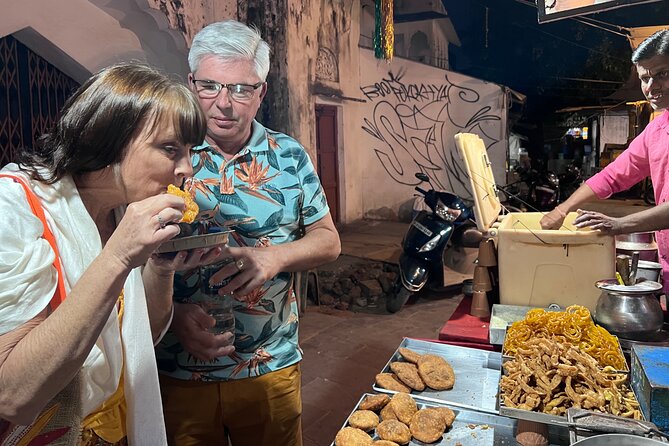
- Seven local tastes are included: Rose gulkand lassi, poha, dal pakwan, herbal tea, malpua, falafel, and kachori.
- Manish leads the walk: Expect cultural explanations, food guidance, and help with questions about Hindu traditions.
- Food and temples share equal billing: You visit Pushkar Lake, Varaha Temple, Old Rangji Temple, and Brahma Temple.
- It is a private experience: Only your own group takes part, which makes it easier to set the pace and ask questions.
- The rose factory shop adds a local touch: This is more than a meal crawl through the main streets.
- The price is $15 per person: For three hours of food, guiding, and sightseeing, that is strong value if you want an introduction to Pushkar.
Why this Pushkar walk works so well
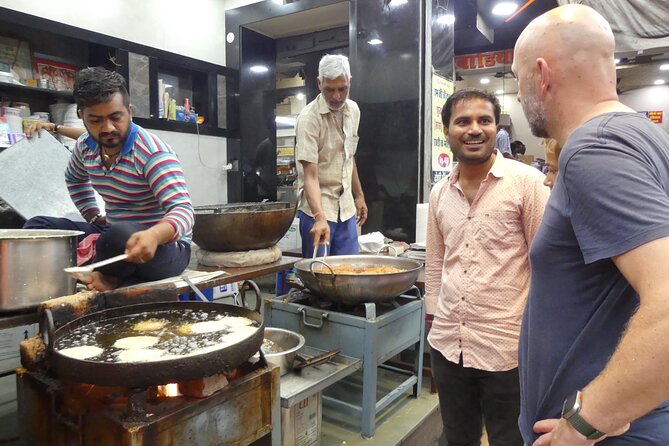
Many food tours focus only on eating. The Pushkar Route takes a better approach for this town, where food, faith, trade, and daily life are closely linked. You stop for sweet and savory dishes, then walk to temples and sacred sites while Manish explains the customs around you.
I like this format because it gives your stomach a break. The stops are spread through a cultural walk rather than packed into one long sitting. You get a taste of Pushkar, then time to digest while looking at a temple or the lake.
The tour has a strong personal element. Manish is described as warm, funny, attentive, and easy to contact before the walk. Past guests also received WhatsApp instructions and suggestions for spending more time in Pushkar, which can be useful if you are staying only a short while.
The experience is rated five out of five from 26 published ratings, with a 100 percent recommendation rate. That is a small sample, but the praise is unusually consistent: Manish’s welcoming manner, his explanations of Pushkar and Hindu religion, the quality of the food, and the relaxed pace receive the most attention.
More Walking Tours in Pushkar
- Spiritual City Walking Tour-THE Pushkar Route
★ 5.0 · 907 reviews - Afternoon Walk Tour with Sunset & Fire Ritual -The Pushkar Route
★ 5.0 · 119 reviews - Evening Walking Tour with Fire Rituals-The Pushkar Route
★ 4.9 · 108 reviews
Starting at Rangji Temple
The meeting point is Rangji Temple, listed at FHR4+44Q, Pushkar, Rajasthan 305022. The route finishes back at the same meeting point, so you do not need to arrange a separate return transfer after the walk.
Starting at a temple puts you into Pushkar’s cultural setting right away. This is not a food tour that treats the town as a backdrop. The religious sites frame the food, and the guide’s explanations help you understand why Pushkar has such a strong spiritual identity.
Pickup is offered, though the supplied details do not specify the exact pickup area or whether it is available from every hotel. If you want pickup, confirm the arrangement with the operator before the start time. Otherwise, plan to meet at Rangji Temple.
The duration is about three hours. That is long enough for a good sample of food and several sights, but short enough to fit into a day of sightseeing. You should expect a steady walking experience, not a sit-down restaurant meal with long pauses.
Pushkar Lake and the rhythm of the town
Pushkar Lake is the first listed stop. It gives the food portion of the walk a clear cultural setting and helps explain why Pushkar is regarded as a spiritual town.
You can expect Manish to discuss Hindu customs and the religious importance of Pushkar as you look around the lake area. The lake stop also provides one of the natural pauses between food tastings, which is useful when the menu includes several filling dishes and sweets.
A practical point: the experience combines sightseeing with eating, so you should not expect a long, detailed tour of every part of the lake. Its value here is as a place to understand Pushkar’s religious character and take a break from the food route.
Varaha Temple and Hindu tradition
The next stop is Varaha Temple. This visit adds another layer to the walk, since the tour is designed to explain the Hindu background of the places you see rather than simply point out buildings.
The supplied details do not promise a particular ceremony, special access, or a lengthy interior visit. Instead, you should think of this stop as part of the guide’s cultural storytelling. Manish explains the history and religious significance of the temples, helping you connect the sights with the traditions of Pushkar.
This is one reason I would choose this tour early in a Pushkar stay. A local explanation can make later independent walks around the town more meaningful. You will have some context for the temples, food customs, and behavior expected around sacred places.
A completely different kind of day out from Pushkar:
- Spiritual Walking tour with Puja Ceremony -The Pushkar Route
★ 5.0 · 101 reviews - Walking Sightseeing Tour – The Shine Pushkar
★ 5.0 · 64 reviews - Pushkar Day Trip from Jaipur – Private Car, Safari, Guide & Lunch
★ 4.5 · 45 reviews - Evening Walking tour with Fire Ceremony – The Pushkar Route
★ 5.0 · 35 reviews
Old Rangji Temple and the starting point
Old Rangji Temple is also included. Since the walk begins at Rangji Temple, this portion of the route gives the experience a useful sense of place. You are not simply passing through a famous site, then moving on to snacks. You are seeing how the temple district fits into the wider town.
The word old matters here because Pushkar has more than one temple associated with Rangji. The supplied information does not spell out the difference between the two, so ask Manish to explain it during the walk. That kind of question is exactly where a private tour has an advantage.
The temple visits also help manage the pace. After a serving of dal pakwan or a sweet dish, you can walk, listen, and look around before the next stop. The route is described as never feeling rushed, which is important when you want both food and cultural detail rather than a quick checklist.
Brahma Temple and Pushkar’s spiritual identity
Brahma Temple is another major stop, and the route links it with Pushkar’s religious importance. The experience is not presented as a basic sightseeing visit. It is meant to explain Hindu customs and the role of food in the town’s spiritual life.
The tour description places particular emphasis on Hindu history related to food. That makes the Brahma Temple stop more useful than a quick photo opportunity. You can ask how local dishes, offerings, customs, and daily religious practice relate to the town.
Temple visits may require respectful clothing and behavior, though the supplied information does not state a specific dress code. It is sensible to dress modestly and follow instructions from your guide. If access conditions change on the day, Manish can explain what is possible.
The food list: sweet, savory, local, and international
The food is the tour’s main hook, and the selection covers several sides of Pushkar’s eating culture.
You are scheduled to try:
- Rose gulkand lassi
- Pushkar poha
- Pushkar dal pakwan
- Pushkar herbal tea
- Pushkar-famous malpua
- Falafel
- Pushkar kachori
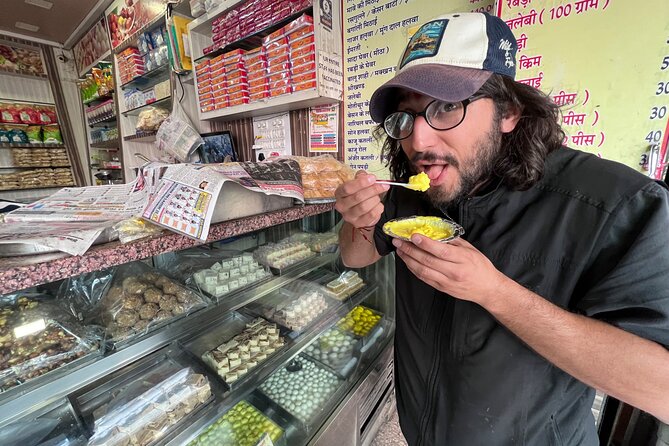
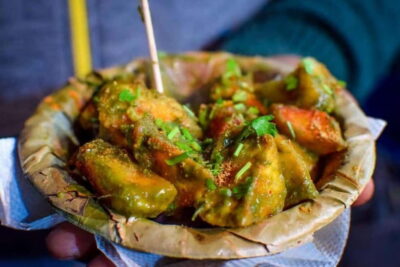
Poha is a practical introduction to Indian breakfast food, while dal pakwan gives you a more substantial savory taste. Kachori brings another well-known fried snack into the mix, and malpua supplies the sweet finish, though the exact order may vary.
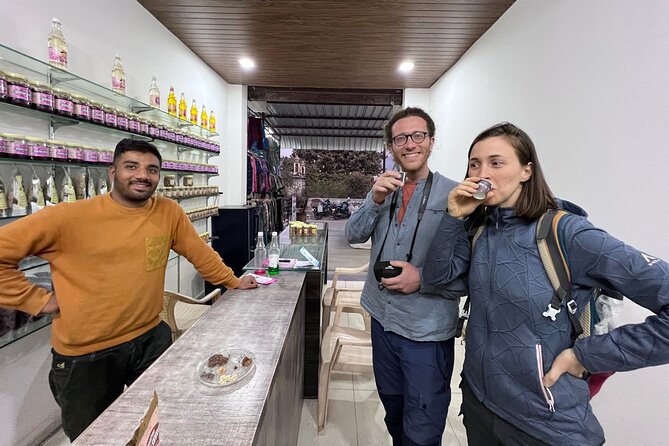
The rose gulkand lassi is one of the more distinctive items. Rose products are closely associated with Pushkar, and the lassi gives you a taste in a familiar yogurt drink. The rose factory shop visit adds context, letting you see where rose-based products are presented and sold.
Falafel may seem less traditionally Rajasthani than poha or kachori. That is not necessarily a weakness. Pushkar attracts an international crowd, and the food scene includes both Indian and Western influences. The falafel reflects that mix and keeps the route from presenting local food as one fixed tradition.
The herbal tea offers another change of pace. Since the tour includes several foods and drinks, tell Manish about allergies or dietary concerns before starting. The supplied details do not give a complete substitution policy, so do not assume every item can be changed.
Hygiene and food confidence
Street food can be one of the best ways to eat in India, but food safety matters. This experience specifically emphasizes selected vendors and hygiene, and detailed feedback describes the stops as using bottled water and ice and maintaining standards suitable for international visitors.
That should make the route easier for cautious eaters. You are not being sent to random stalls without guidance. Still, no food tour can remove every personal risk, and stomach tolerance varies. If you are sensitive to spice, fried food, dairy, or sweets, tell the guide early and pace yourself.
The amount of food is another consideration. Seven listed tastings over three hours can add up, especially with lassi, dal pakwan, kachori, and malpua in the mix. I would keep breakfast or lunch light before the tour and avoid planning an elaborate meal immediately afterward.
The rose factory shop visit
The rose factory shop is a small but useful addition. It gives the route a product-based stop instead of making every pause about eating at a stall or sitting in a restaurant.
Because Pushkar is known for rose products, the shop helps explain the rose flavor in the gulkand lassi. You can look at the products, ask questions, and decide if you want to buy something. The supplied details do not say that purchases are included, so treat shopping as optional and separate from the tour price.
This stop may appeal especially to people who like to understand how a local ingredient becomes part of the town’s commercial life. It also breaks up the fried and sweet foods with a change of focus.
What the private format changes
Only your group participates. That is a real advantage for a food and culture walk, since private guiding gives you room to ask about religion, ingredients, customs, or the history of a particular temple.
You can also speak up if you need a slower pace or a short pause. The operator describes the activity as suitable for most people, but the available details do not specify the walking distance, surfaces, seating, or vehicle use. If mobility is a concern, ask before booking.
The private format can feel especially worthwhile if you are traveling with family or friends. At $15 per person, the cost remains modest for a three-hour experience, several food tastings, temple visits, and a local guide. For a solo visitor, the per-person price is still low, though the value depends on how much you care about guided cultural context.
Timing, booking, and cancellation
The tour lasts about three hours and is usually booked around seven days ahead. That does not mean you cannot find a later place, but planning a week in advance is sensible during busy periods.
Mobile ticketing makes the booking process simple. Confirmation is received at booking, and the operator has used WhatsApp to provide clear meeting instructions and other Pushkar suggestions.
You can cancel for a full refund up to 24 hours before the experience start time. Cancellations or changes made within 24 hours are not refunded or accepted. The cut-off follows Pushkar local time, so check the start time carefully if you are booking from another time zone.
Who will enjoy this most
I would choose this walk if you want food to be part of your sightseeing rather than a separate activity. It suits first-time visitors who want help finding selected local stops and understanding Pushkar’s temples.
It is also a good fit if you are curious about Hindu customs but do not want a formal lecture. The route keeps the subject tied to places, food, and daily life.
You may want to reconsider if you prefer a long restaurant meal, dislike fried snacks, or need a highly structured accessibility plan. The available information does not specify exact walking distance, seating at each stop, or dietary substitutions.
Should you book The Pushkar Route?
Book it if you want a friendly, private introduction to Pushkar that combines food with temples and local customs. Manish’s role is central, and the strongest part of the experience is the way he connects dishes, religious places, and the wider identity of the town.
At $15 per person, the tour offers good value for three hours, especially with the listed food included. Go with an appetite, wear comfortable clothes, and tell the guide about dietary needs before the first tasting. If you want only a quick snack crawl, this may feel too cultural. If you want to understand Pushkar while eating your way through it, it is an easy choice.
FAQ
How long does The Pushkar Route last?
The experience lasts approximately three hours.
How much does the tour cost?
The listed price is $15 per person.
Where does the tour start?
The meeting point is Rangji Temple at FHR4+44Q, Pushkar, Rajasthan 305022, India.
Where does the tour finish?
The activity ends back at the meeting point.
Is pickup available?
Pickup is offered. The provided details do not specify the exact pickup area, so confirm the arrangement with the operator.
Is this a private tour?
Yes. Only your own group participates in the activity.
Who leads the tour?
The guide is Manish, who provides food guidance and explanations about Pushkar, Hindu customs, temples, and local culture.
What food is included?
The included tastings are rose gulkand lassi, Pushkar poha, Pushkar dal pakwan, Pushkar herbal tea, Pushkar-famous malpua, falafel, and Pushkar kachori.
Are temple visits included?
Yes. The route includes Pushkar Lake, Varaha Temple, Old Rangji Temple, and Brahma Temple.
Can I cancel for a full refund?
Yes, if you cancel at least 24 hours before the experience start time. Cancellations or changes made less than 24 hours before the start time are not refunded.
More Food Tours in Pushkar
- Food & Culture Walking Tour – The Pushkar Route
★ 5.0 · 4 reviews - Jaipur Bazaar & Food Walking Tour
★ 5.0 · 281 reviews - Heritage Walk & Street Food Tasting in Jaipur
★ 5.0 · 158 reviews - Cultural Walk and Food Tasting In Jaipur
★ 5.0 · 118 reviews
Recently added around Pushkar
- Jaipur: Ajmer & Pushkar Day Trip with Lunch & Camel ride★ 4.3 · 3 reviews
- Private Day Trip to Pushkar From Jaipur★ 4.5 · 3 reviews
- Explore Chittorgarh Fort With Udaipur Drop from Pushkar★ 5.0 · 4 reviews
- Rajasthan tours: Luxury and private tour by car with guide.★ 4.8 · 4 reviews
- Food & Culture Walking Tour – The Pushkar Route★ 5.0 · 4 reviews
- Private Day Trip to Holy City of Pushkar from Jaipur★ 5.0 · 4 reviews
- From Jaipur: One-Day Trip From Jaipur to Pushkar★ 3.8 · 4 reviews
- From Jaipur : Ajmer Pushkar Private Tour by Cab with Guide★ 4.0 · 5 reviews
Food & Drink, compared.

Guided Morning Bicycle Tour with Food Tasting in Jaipur
Read our review →
Street Food Walking Tour, Spice Market, & Tuk-tuk Ride
Read our review →
Jaipur@Twilight Guided Heritage City walk tour with Food Tasting
Read our review →Browse the lists this tour appears in