
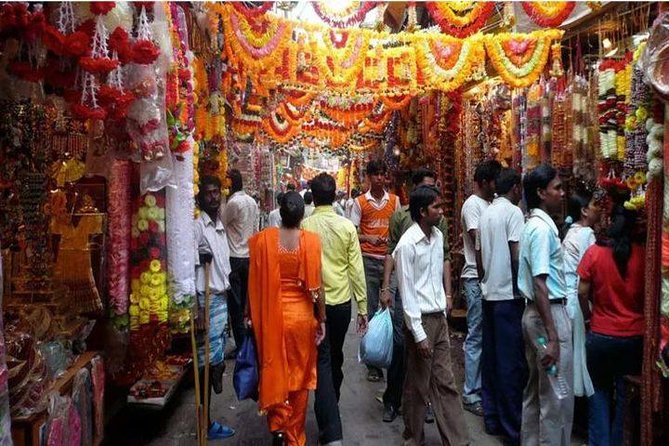
Reviewed · HISTORICAL TOURS
Agra Old City Walking Tour, Private Heritage walking Guided Tour
Agra’s most revealing sight may come after the famous monuments: a walk beside the Yamuna River with the Taj Mahal and Agra Fort in view, after passing through spice stalls, sweet shops, mosques, and a working wholesale market. I like the way this tour shows you ordinary Agra, not just its royal buildings. I also like that it is private, so your guide can adjust the pace and spend more time where your interest lies.
The main tradeoff is that this is a true city walk through crowded commercial streets, not a quiet heritage stroll. You should expect traffic, market noise, uneven walking conditions, and religious sites where modest clothing is required. For a three-hour introduction, though, the mix is unusually broad.
In This Review
- Key points at a glance
- Agra beyond the Taj Mahal
- Jama Masjid and Agra’s Mughal center
- Shri Mankameshwar Mandir, Agra’s oldest temple
- Rawat Para’s spices, sweets, and street food
- Johari Bazar and the older shopfronts
- Dareshi, Agra’s wholesale market
- The riverside view of the Taj Mahal
- Agra Fort Railway Station and the British-era finish
- How the private format changes the experience
- Who will get the most from this $25 tour
- Timing, clothing, and booking advice
- Should you book the Agra Old City walk?
- FAQ
- How long does the Agra Old City Walking Tour last?
- How much does the tour cost?
- Is this a private tour?
- Is hotel pickup included?
- What transportation is included?
- What places are included in the route?
- Is food included?
- What should I wear?
- Can I cancel for a refund?
Key points at a glance
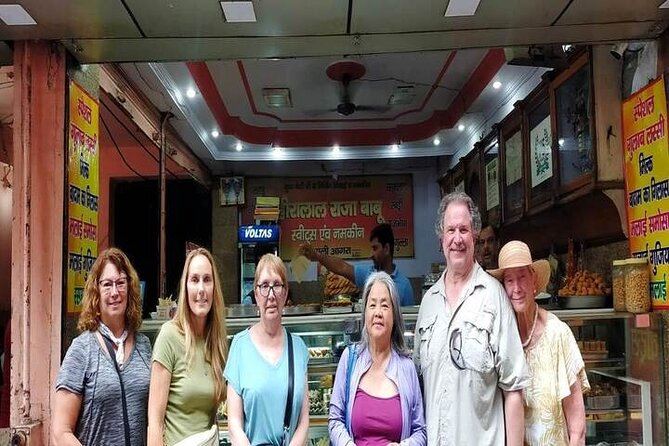
- Yamuna views of the Taj Mahal: See the monument from across the river, along with views toward Agra Fort.
- Two important religious sites: Visit Jama Masjid and Shri Mankameshwar Mandir, Agra’s oldest Hindu temple.
- Working markets, not staged displays: Walk through Rawat Para, Johari Bazar, and the century-old Dareshi wholesale district.
- Private transport included: Hotel pickup and drop-off are provided by taxi or tuk-tuk.
- Flexible timing: The advertised duration is about three hours, but the tour can take longer if you want more time.
- A guide-led introduction: Sunil is specifically praised for his local explanations, food guidance, and easygoing approach.
Agra beyond the Taj Mahal
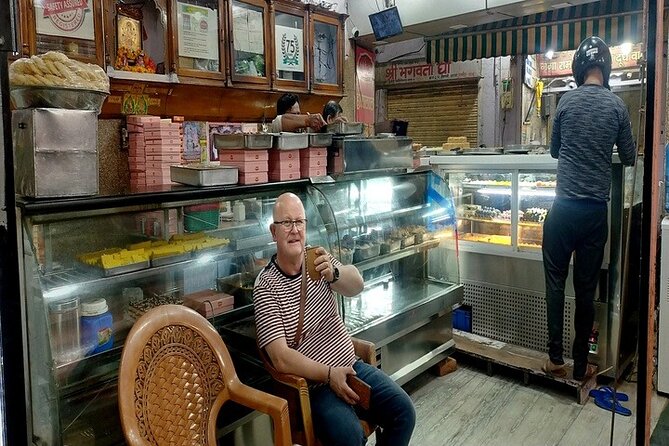
Most first visits to Agra revolve around the Taj Mahal. That makes sense, but it can also leave you with a narrow picture of the city. The Taj is a royal monument, while the old city shows how Agra works day to day: worship, trade, sweets, spices, transport, and crowded lanes.
This private tour links those parts in a compact route. You move from a Mughal mosque to a Hindu temple, then into food and clothing markets before reaching the river. The final stop, Agra Fort Railway Station, adds a British colonial note to the day.
I see the biggest value in the contrast. You are not simply ticking off six unrelated stops. You are watching Agra change character from sacred space to market street to wholesale district to railway architecture.
The tour costs $25 per person. That is a fair price for a private three-hour experience when taxi or tuk-tuk transfers, hotel pickup and drop-off, a professional guide, tea, and entrance costs are included. The listed stops do not show an admission charge, so the transport and guiding are the parts that carry most of the value.
More History Tours in Agra
- Agra Fort: Guided UNESCO Heritage Walking Tour
★ 4.9 · 21 reviews - From Agra: Agra Heritage Walking Tour
★ 5.0 · 9 reviews - Delhi/Agra: Taj Mahal Mughal & Heritage in Mulitple Ways
★ 5.0 · 8 reviews
Jama Masjid and Agra’s Mughal center
Your first stop is Jama Masjid, described as one of India’s largest mosques. It was built by Jahanara Begam, the daughter of Shah Jahan, the Mughal ruler associated with the Taj Mahal.
The mosque is a useful opening because it places Agra’s grand monuments in a wider setting. Instead of seeing Mughal architecture only through the Taj Mahal, you begin with a religious building tied to the city’s royal past and continuing religious life.
You spend about 20 minutes here. That is enough for an introduction and a look around, but not a long architectural study. The description identifies Jama Masjid as a Friday prayer hall, so you should be prepared for the setting to feel active and religious rather than arranged for sightseeing.
Dress matters. The tour asks you to cover your shoulders and knees. Follow that rule at both the mosque and the Hindu temple, and treat each place as a functioning house of worship.
Shri Mankameshwar Mandir, Agra’s oldest temple
From Jama Masjid, the route moves to Shri Mankameshwar Mandir. The temple is dedicated to Lord Shiva and is described as the oldest temple in Agra city.
This stop gives the tour its strongest religious contrast. The mosque reflects Agra’s Mughal identity, while Mankameshwar Mandir connects you with Hindu worship in the same historic center. People come to pray there every day, so you are seeing a living religious site rather than a monument emptied of its original purpose.
The visit lasts around 20 minutes. Your guide can help explain what you are seeing and how to behave respectfully, especially if you are unfamiliar with Hindu temple customs.
The practical point is simple: wear suitable clothing from the start. Covering shoulders and knees is not a minor suggestion here. It lets you enter both religious sites without having to change plans.
Rawat Para’s spices, sweets, and street food
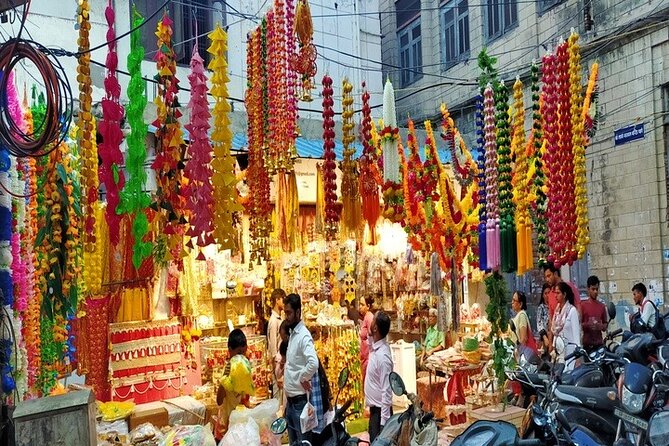
Rawat Para Road is one of the oldest market areas in Agra and is known for Indian spices. This is where the tour begins to feel less like a monument visit and more like a walk through the city’s daily economy.
You may see spice shops, food sellers, and old sweet shops said to be around 100 years old. The route also includes street food, which can be a highlight if you like to understand a place through its flavors. Sunil is praised for giving food explanations and offering tasting opportunities without making the experience feel forced.
That last point matters. Street food can be exciting, but not every visitor wants to eat at every stall. The guide’s role is most useful here when he explains what you are looking at, helps you decide, and respects your comfort level.
You spend about 30 minutes in this part of town. That is long enough to watch the market work and ask questions, though you should not expect a slow cooking class or a long meal. This is a moving city walk with food along the way.
More Walking Tours in Agra
- Agra Walking Tour
★ 5.0 · 109 reviews - Agra: Street Food Walking Tour, Spice Market, & Tuk-tuk Ride
★ 4.9 · 102 reviews - Agra 101 City Walk
★ 5.0 · 41 reviews - Flavours of Agra Food walk
★ 5.0 · 25 reviews
Johari Bazar and the older shopfronts
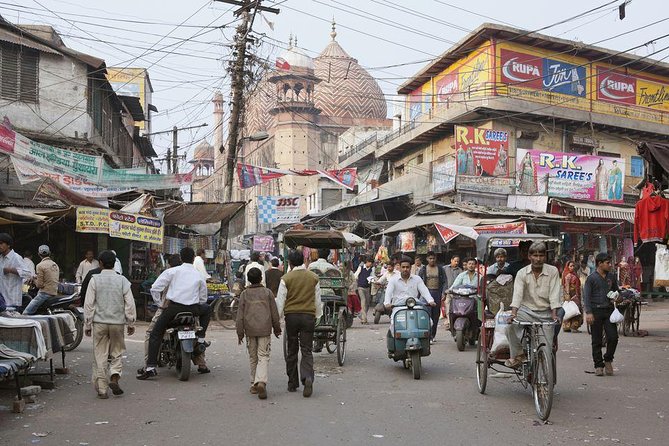
The next market is Johari Bazar, known for goldsmith shops and now also clothing stores. The area includes older buildings, so you get another look at the city’s built character between the religious sites and the river.
I like this stop because it gives you a chance to see how historic streets keep changing use. A goldsmith district can also be a place for clothes, household shopping, and ordinary errands. That mix is more useful than a polished shopping street designed only for visitors.
The planned visit is about 20 minutes. You can look, listen, and take in the architecture without treating the market as a shopping obligation. One especially good feature of the private format is the lack of pressure to buy. Sunil is praised for showing people around without steering them into shops.
Still, Johari Bazar is a commercial area. Keep your belongings secure, stay aware of traffic, and ask before photographing people or shop interiors. Those habits make the walk easier for you and more respectful for the people who live and work there.
Dareshi, Agra’s wholesale market
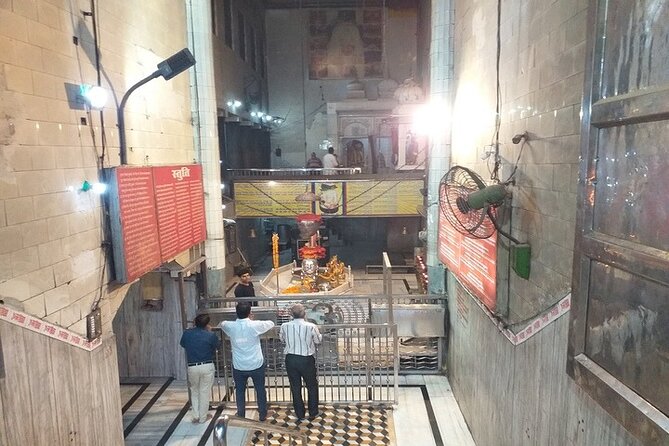
Dareshi is described as a more than 100-year-old wholesale market. It is likely to be one of the tour’s most direct looks at working Agra, since this is where goods move through the city rather than being displayed for sightseeing.
The route gives you about 30 minutes here before continuing toward the Yamuna. That is a good amount of time for a first look at a wholesale district. Your guide can explain what is being sold, how the market serves the city, and how this part of Agra connects with the smaller shops you have already seen.
This stop may be less comfortable than the monuments. Wholesale markets are practical places, and space can be tight. You may encounter noise, traffic, crowds, and the strong smells that come with food and spices. If you want a polished, quiet outing, this is not the right tour. If you want to see how a historic city earns and spends its money, it is one of the most useful sections.
The walking route then reaches the Yamuna riverfront. From there, you get an outside view of the Taj Mahal and Agra Fort. That viewpoint gives the tour a fine finish because you have already seen the city behind the postcard image.
The riverside view of the Taj Mahal
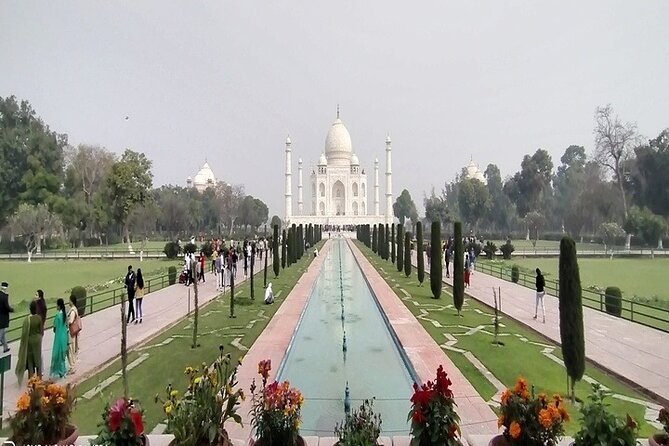
The Taj Mahal looks different when it is not the sole purpose of your morning. From across the Yamuna, you see it as part of Agra’s wider setting, with the river and Agra Fort in the same broad view.
This is not a replacement for entering the Taj Mahal. It is an added perspective, and it works especially well for someone who has already visited the monument or plans to see it separately.
The route description does not promise a particular sunset time, but the private format allows some flexibility. One past booking specifically used an evening sunset schedule, and that timing was valued for the cooler feel and changing light. If sunset matters to you, ask about the start time before booking rather than assuming it is included.
This is also a good place to slow down. Much of the tour is about movement through streets and markets. The riverfront gives you a pause and a chance to connect Agra’s present-day activity with its monumental past.
Agra Fort Railway Station and the British-era finish
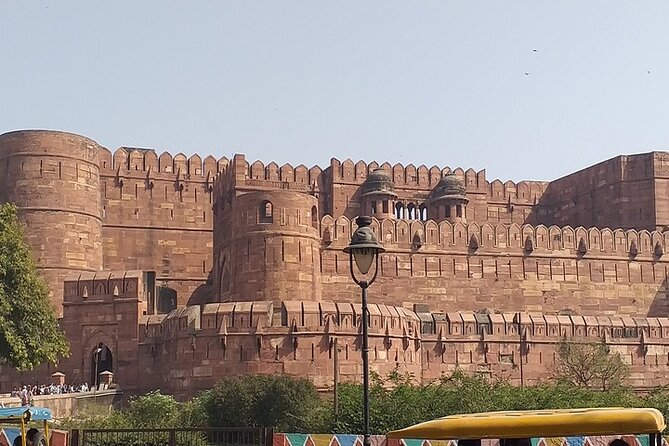
The last planned stop is Agra Fort Railway Station, located near Agra Fort. The station was built by the British and is described as a large, old building in a British architectural style.
This is a smart final stop because it adds a period of Agra’s story that the mosque, temple, and Mughal views do not cover. You have seen Mughal religious buildings, Hindu worship, local trade, and then a railway structure linked to British rule and modern transport.
The stop lasts around 20 minutes. Afterward, you walk to the vehicle and return to your hotel by taxi or tuk-tuk.
Do not expect the railway station to be a grand palace or a major museum visit. Its value lies in the contrast. You are looking at a piece of transport architecture that still belongs to the city’s working life.
How the private format changes the experience
This is a private activity, so only your group takes part. That makes a real difference in the old city, where a fixed group can be hard to keep together. You can ask for more explanation at the market, slow down at the river, or keep moving if the heat and noise become tiring.
The tour normally lasts about three hours, but the duration is flexible. That is helpful because the stops have different demands. A short visit may be enough at the railway station, while the markets may reward extra time.
Sunil is the guide name most clearly associated with the experience. He is praised for explaining Agra’s history, showing food and shops, and making the route feel easy rather than hurried. The available information also spells his name as Sunli in one place, so check your confirmation for the assigned guide.
Hotel pickup and drop-off are included by taxi or tuk-tuk. That removes the need to find the old city on your own and is particularly useful if you are staying somewhere outside the walking area. Tea during the walk is also included, a small touch that fits the pace of the outing.
Who will get the most from this $25 tour
I would choose this for a first visit to Agra when you want more than the Taj Mahal but do not have time for a full day of city touring. It is also a good fit if you have already seen the main monument and want a closer look at everyday Agra.
You will get the most from it if you enjoy:
- Local markets more than formal museums
- Religious buildings that are still used for worship
- Short walks with frequent stops
- Food explanations and optional tasting
- Flexible pacing with a private guide
- Seeing a city through its working streets
It may not suit you if you want a calm, carefully arranged heritage walk. The route passes through active markets and includes a real city environment. People who dislike crowds, street traffic, or uneven walking should consider that before booking.
The tour is rated 4.9 out of 5 from 20 ratings, with a 100 percent recommendation figure. The strongest praise centers on the guides, especially Sunil, and on the sense of seeing real old-city life. The most useful detail for you is that the guide is described as informative without pushing food or shopping. That makes the $25 price easier to justify.
Timing, clothing, and booking advice
The experience is often booked about 15 days ahead. That is not a strict booking rule, but it suggests you should reserve early if your Agra dates are fixed, especially if you want a particular guide or evening timing.
Children must be accompanied by an adult, and most people can take part. The tour asks you to cover your shoulders and knees, so dress for both the mosque and temple from the beginning.
You receive confirmation at booking. Free cancellation is available if you cancel at least 24 hours before the local start time. Cancellations or changes made less than 24 hours before the start are not accepted for a refund.
Should you book the Agra Old City walk?
Book it if you want Agra to be more than a Taj Mahal photo stop. The combination of Jama Masjid, Mankameshwar Mandir, spice markets, Johari Bazar, Dareshi, the Yamuna viewpoint, and the railway station gives you a compact but varied look at the city.
The best reason to choose it is the private guiding. Sunil’s role, as described through the experience details, is not just to lead you from place to place. He helps explain food, worship, shops, and local life while leaving you room to decide what interests you.
Skip it if your time in Agra is extremely short or if you want only major monuments. But if you have three hours and $25, this is a practical way to see the city behind the Taj Mahal, with transport handled and the pace adjusted to your group.
FAQ
How long does the Agra Old City Walking Tour last?
The tour lasts approximately three hours. Its duration is flexible, so you can take more time during the walk.
How much does the tour cost?
The listed price is $25 per person. Group discounts are offered.
Is this a private tour?
Yes. Only your group participates in the activity.
Is hotel pickup included?
Yes. Hotel pickup and drop-off are provided by taxi or tuk-tuk.
What transportation is included?
Taxi or tuk-tuk transportation is included for the hotel transfers and movement connected with the tour.
What places are included in the route?
The route includes Jama Masjid, Shri Mankameshwar Mandir, Rawat Para Road, Johari Bazar, Dareshi, the Yamuna riverside, and Agra Fort Railway Station.
Is food included?
Tea during the walking tour is included. The route includes street food and food tasting opportunities, but the supplied tour details do not state that a full meal is included.
What should I wear?
You should cover your shoulders and knees. This is important because the tour visits a mosque and a Hindu temple.
Can I cancel for a refund?
Yes. You can cancel at least 24 hours before the experience start time for a full refund. Cancellations or changes made less than 24 hours before the start are not accepted.
Recently added around Agra
- Taj Mahal Entrance Ticket★ 5.0 · 3 reviews
- Agra’s Hidden Gems & Flavors on a Thrilling Tuk-Tuk Tour 3-4 Hrs★ 5.0 · 3 reviews
- Spiritual Private Tour of Vrindavan and Mathura★ 3.0 · 3 reviews
- Agra: Taj Mahal and Agra Fort Private Guided Half-Day Trip★ 5.0 · 3 reviews
- Shop Agra Like a Local: Unique Indian Handicrafts Tour★ 5.0 · 3 reviews
- From Jaipur: Taj Mahal Guided and Agra Tour By Car★ 5.0 · 3 reviews
- Private Transfers Jaipur To Agra Drop with sikri & stepwell★ 5.0 · 3 reviews
- Full day Taj Mahal, Agra Fort, Fatehpur Sikri By Car From Agra★ 5.0 · 3 reviews
Historical Tours, compared.
Private Full-Day Sightseeing Tour of Jaipur’s Heritage by Car
Read our review →
Jaipur Heritage Evening Walk – The Twilight Magic of Pink City
Read our review →
Nahargarh Water Walk – Guided 2-Hour Heritage Tour in Jaipur
Read our review →
Jaipur Heritage Walking Tour – Local life, Havelis and Temples
Read our review →
Jaipur@Twilight Guided Heritage City walk tour with Food Tasting
Read our review →
Browse the lists this tour appears in