
Reviewed · HISTORICAL TOURS
Agra : Old Bazar & Kinari Bazar Heritage Walking Tour.
Agra’s old bazaar gives you a close look at daily life beyond the city’s grand monuments. You’ll follow narrow lanes around Jama Masjid, then move into Kinari Bazar, where shops sell fabrics, spices, jewelry, handicrafts, vegetables, and ready-to-eat food.
I like the private format and the chance to explore with a local guide rather than simply wander past the market’s busiest corners. I also like the food angle, since tasting Mughalai and local Indian dishes adds flavor to the walk. The main consideration is the setting: narrow, busy lanes, roadside cows and monkeys, and no taxi included.
- Jama Masjid’s Mughal details: See the sandstone mosque, central courtyard, fountain, and unusual zigzag-patterned domes.
- Kinari Bazar’s local trade: Browse fabrics, spices, jewelry, handicrafts, food, and vegetables in an old market setting.
- Private guiding: The walk is arranged for your group, with an English- or Spanish-speaking guide.
- Food tasting: Try Mughalai and Indian local foods as part of the market experience.
- Flexible meeting point: Meet at Agra Fort Parking or arrange for the guide to meet you at your hotel.
- Compact price: The advertised price is $16 for a private group of one, with taxi costs separate.
In This Review
- Why Agra’s old bazaar is worth your time
- Jama Masjid and its 17th-century courtyard
- One hour through Kinari Bazar
- Spices, fabrics, jewelry, and handicrafts
- Mughalai food and roadside sights
- A private tour for one, with flexible timing
- Is $16 good value for this Agra walk?
- Who should book this market walk?
- Should you book the Old Bazar and Kinari Bazar tour?
- FAQ
- Where does the Agra bazaar walking tour meet?
- How long does the tour last?
- What places does the walking tour visit?
- Is the tour private?
- Which languages are available?
- Is transportation included?
Why Agra’s old bazaar is worth your time
Agra is often treated as a city of monuments, especially the Taj Mahal and Agra Fort. That focus can leave out the ordinary city, where people shop, eat, worship, and work in the same tight streets they have used for generations.
This walk shifts your attention from grand architecture to street-level Agra. You’ll see shopfronts opening onto the lane, produce displayed close to the pavement, and small businesses selling practical goods alongside decorative items. The market is not arranged as a polished visitor district. That is part of its appeal, but it also means you should expect noise, crowds, uneven movement, and a less controlled walking environment.
A local guide matters here. In a market with narrow lanes and many similar-looking shops, you can easily walk through without understanding what you are seeing. The guide can point out the difference between types of goods, explain local customs, and help you approach food stalls or shops with more confidence.
The experience is private, so you are not tied to the pace of a large group. That suits anyone who wants to pause at a spice stall, ask questions about clothing, or spend more time looking at handicrafts. It also makes the walk a practical choice for solo visitors, since the advertised rate is for a private group of one.
Jama Masjid and its 17th-century courtyard
The tour includes about 20 minutes at Jama Masjid, Agra’s major old mosque near the bazaar. The building is a 17th-century sandstone structure in the Mughal style, with a central courtyard, a fountain, and domes marked by a zigzag pattern.
This short stop gives the market walk a clear starting point. Rather than entering a maze of lanes without context, you begin beside a major piece of Agra’s architectural story. The mosque’s courtyard and sandstone construction offer a useful contrast to the crowded commercial streets nearby.
You’ll have guided time and some free time to look around. Twenty minutes is enough for an introduction and a quick look at the building, but it is not a long architectural visit. If you want an extended study of the mosque, prayer customs, or Mughal design, you should ask the guide how much time can be adjusted within your selected tour option.
As with any active religious site, dress and behavior deserve care. The supplied details do not specify entry rules, so your guide is the best person to ask about current arrangements. Keep your clothing respectful, follow instructions, and avoid treating the mosque as a backdrop for hurried photographs.
The mosque also helps explain the shape of the surrounding bazaar. Markets often grow around places where people gather, and here the lanes near Jama Masjid lead directly into the old commercial area. You can move from a quiet architectural space into a tight network of shops within minutes.
More History Tours in Agra
- Agra Fort: Guided UNESCO Heritage Walking Tour
★ 4.9 · 21 reviews - Agra Old City Walking Tour, Private Heritage walking Guided Tour
★ 5.0 · 20 reviews - From Agra: Agra Heritage Walking Tour
★ 5.0 · 9 reviews
One hour through Kinari Bazar
The main walking section lasts about one hour in Kinari Bazar. This is the part of the experience where you get the clearest sense of Agra’s everyday commerce.
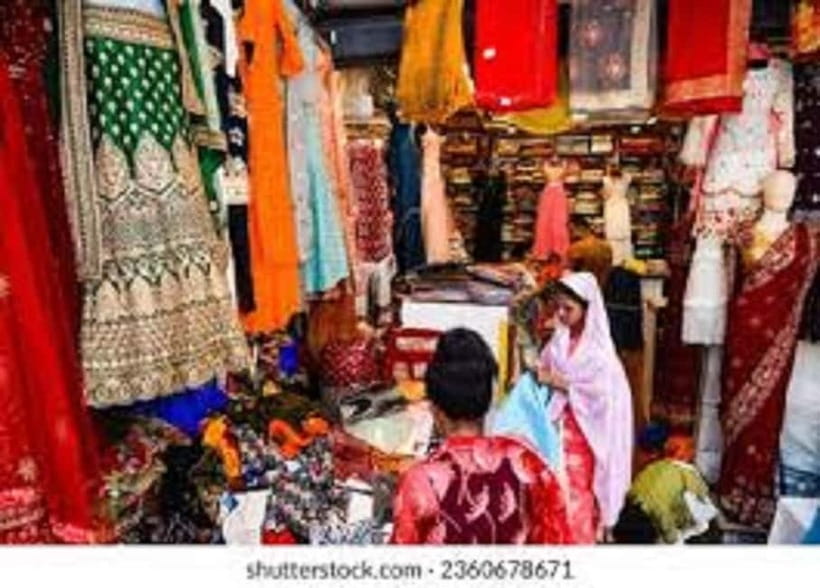
Kinari Bazar is described as an old-world market of narrow lanes around Jama Masjid. You might find colorful shops selling handicrafts, jewelry, fabrics, spices, food, and vegetables. The range matters because it shows the bazaar as a working market rather than a single-purpose shopping street.
I like this kind of walk because the objects have a practical setting. A fabric shop, spice stall, or vegetable seller makes more sense when you see it among local businesses and daily routines. You are not just looking at souvenirs in isolation. You are watching a neighborhood market serve its community.
The guide can help you decide when to browse and when to keep moving. In a private group, you can ask about a particular item without holding up strangers. If you are interested in shopping, remember that the walk is primarily a guided cultural experience, not a dedicated buying tour. The information provided does not promise fixed stops, discounts, or a shopping allowance.
Expect the market to feel close and active. The lanes may be crowded, and you could need to step aside for people, goods, or animals. Keep your belongings secure, stay aware of your footing, and wear shoes suited to walking. The details do not specify the surface or accessibility arrangements, so anyone with mobility concerns should confirm suitability before booking.
Spices, fabrics, jewelry, and handicrafts

The appeal of Kinari Bazar is its variety. One moment you may be looking at fabrics, and the next you may be near spices, vegetables, jewelry, or handicrafts. This makes the walk easy to tailor to your interests.
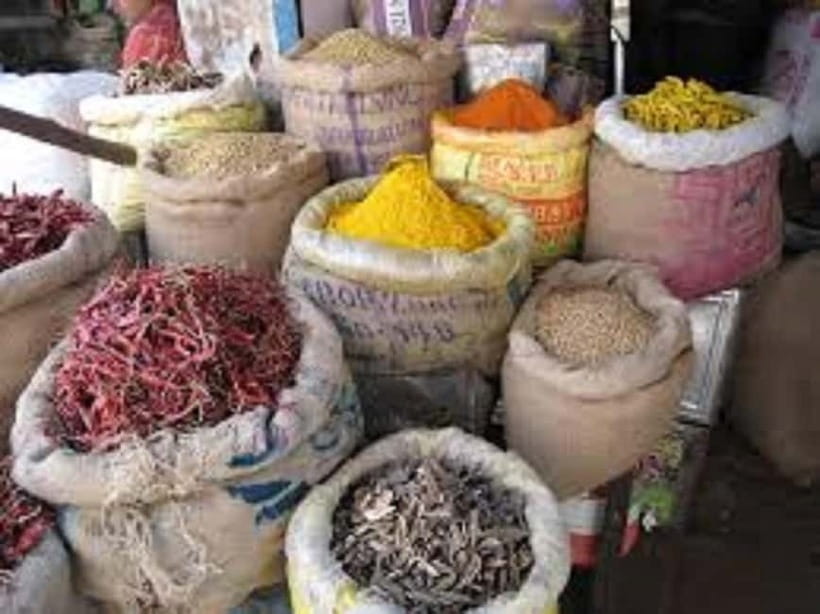
If you enjoy food, spend time with the spice side of the market. The tour specifically includes a spices market, so you can expect the guide to help you understand at least some of what is being sold. You might ask how the spices are used in local cooking or how they differ in appearance and aroma. The available information does not name specific spices, so it is best to let the market itself provide the surprises.
Fabrics and jewelry offer a different view of local shopping. They show the bazaar’s connection to clothing, ceremonies, and personal style. Handicrafts may appeal if you want a small reminder of Agra that feels connected to the local market rather than a large monument.
You should not feel pressured to buy. A guided walk is useful even if you purchase nothing, since the main value lies in seeing how the market works and having someone explain what you are passing. If you do shop, ask clearly about prices and make sure you understand what you are buying before paying.
Mughalai food and roadside sights
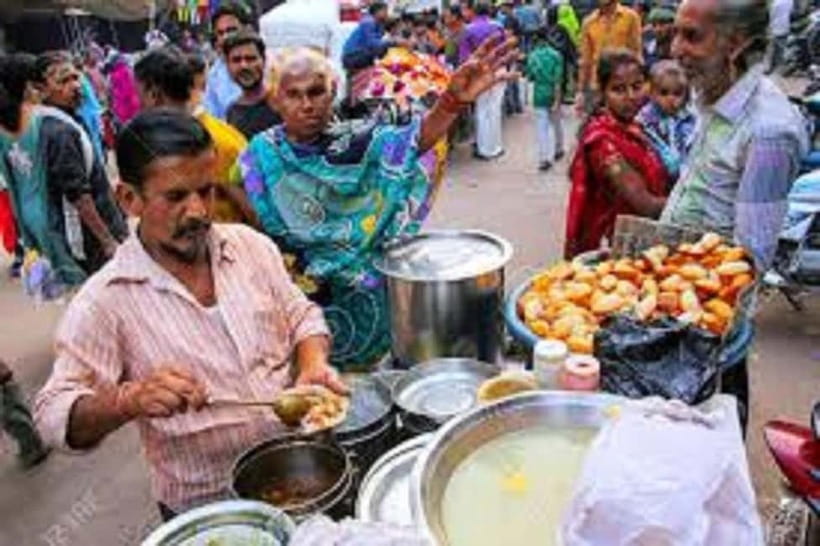
Food is one of the strongest reasons to choose this experience. You’ll have the chance to taste Mughalai and local Indian foods, linking the city’s Mughal past with the food sold in present-day Agra.
The supplied details do not name the dishes, restaurants, or stalls, so I would treat the tasting as flexible rather than expecting a fixed menu. Tell the guide about your preferences and limitations at the beginning. If you avoid certain ingredients or have dietary restrictions, ask what is available before tasting anything.
Street food can be an important part of understanding a market, but you should use ordinary care. Ask the guide which options are suitable, especially if you have a sensitive stomach. Do not assume every food stop will suit every diet, since vegetarian, spicy, dairy-based, and meat dishes may vary.
The walk also includes the everyday animal life of the streets. Cows and monkeys may appear along the roadside, and the experience presents them as part of Indian society rather than as a staged attraction. Keep a sensible distance and do not feed or tease them. Their presence can be memorable, but it also adds another reason to watch where you step and keep food packed away.
This is an honest part of the tour’s character. The old bazaar is not a quiet museum. It is a working area with people, animals, food, traffic, and trade sharing limited space.
More Walking Tours in Agra
- Agra Walking Tour
★ 5.0 · 109 reviews - Agra: Street Food Walking Tour, Spice Market, & Tuk-tuk Ride
★ 4.9 · 102 reviews - Agra 101 City Walk
★ 5.0 · 41 reviews - Flavours of Agra Food walk
★ 5.0 · 25 reviews
A private tour for one, with flexible timing

The activity lasts between 1.5 and 4.5 hours, depending on the selected option and start time. The core route lists around 20 minutes at Jama Masjid and one hour in Kinari Bazar, but the wider duration suggests that pickup, drop-off, or a longer version may change the total.
Check the available start times when booking. This is especially important if you are fitting the walk around a visit to Agra Fort or another major sight. The listed drop-off is at Agra Fort Parking, and the meeting point can also be there.
You can meet the guide at Agra Fort Parking for the old bazaar walk. Hotel pickup is optional, with the guide able to meet you at your hotel. A taxi is not included, so you will need to arrange and pay for transport if you require a ride to the starting point or elsewhere.
The private format is the biggest logistical advantage. You can ask for explanations in English or Spanish, stop to examine something, and discuss food choices more easily than you could in a large group. The language options are limited to those two languages, so make sure one works for you before reserving.
The activity is operated by Taj Tour Guide. The available feedback describes the guide as very kind and great, with the tour also praised as excellent and interesting. The sample is small, but it supports the practical expectation that the human side of the experience is a major part of its value.
Is $16 good value for this Agra walk?
At $16 for a private group of one, this is a low-cost way to add local-market time to an Agra visit. The value is strongest if you want interpretation, food guidance, and a planned route through places you might otherwise pass without understanding.
You are paying for a local walking guide, not transportation, a major monument ticket, or a full-day sightseeing program. That distinction matters. If you want hotel transfers or a broad tour of Agra’s famous attractions, you will need to arrange more than this experience provides.
For a solo visitor, the price is particularly easy to justify because the guide’s attention is not shared with a large group. For a larger private group, confirm how the price is calculated before booking, since the stated rate specifies a group of up to one.
The activity also offers free cancellation up to 24 hours before the start and a reserve-now, pay-later option. Those policies make it easier to fit the walk into a changing Agra schedule, but you should still check the exact option and time you select.
Who should book this market walk?

I would recommend this experience to solo visitors, couples, and small private groups who have already seen, or plan to see, Agra’s major monuments and want time in the living city. It suits people who enjoy food, shopping, architecture, and close observation of daily routines.
It is also a good match if you prefer a guide who can adjust the conversation to your interests. Ask about spices, fabrics, religious architecture, food, or local customs, and the private format should give you room to follow those subjects.
You may want to choose another activity if you dislike crowded markets, prefer air-conditioned transport, or need a fully accessible route. The old bazaar is the point, and that means tight lanes and an active street setting rather than a calm, carefully managed attraction.
Should you book the Old Bazar and Kinari Bazar tour?

Book it if you want a short, affordable introduction to Agra’s everyday side, especially with a private guide and a chance to taste local food. Jama Masjid gives the walk an architectural anchor, while Kinari Bazar supplies the color, movement, shopping, and street life.
Before booking, confirm the start time, meeting point, total duration, food arrangements, and transport needs. Go with comfortable shoes, modest clothing for the mosque, and an open mind about the market’s busy conditions. If those details suit you, this walk is a useful counterpoint to Agra’s grand monuments.
FAQ

Where does the Agra bazaar walking tour meet?
You can meet the guide at Agra Fort Parking for the old bazaar walking tour. The guide can also meet you at your hotel if you select the optional pickup arrangement.
How long does the tour last?
The stated duration is between 1.5 and 4.5 hours. Available start times and the selected option determine the exact length.
What places does the walking tour visit?
The route includes Jama Masjid and Kinari Bazar. The Jama Masjid portion includes guided time, free time, and walking for about 20 minutes. Kinari Bazar includes a guided walk of about one hour.
Is the tour private?
Yes. It is offered as a private group experience. The advertised price is $16 for a group of up to one person.
Which languages are available?
The live guide is available in English and Spanish.
Is transportation included?
No. The walking tour includes the expert local guide, but taxi transportation is not included. You can meet at Agra Fort Parking or arrange for the guide to meet you at your hotel.
Recently added around Agra
- Taj Mahal Entrance Ticket★ 5.0 · 3 reviews
- Agra’s Hidden Gems & Flavors on a Thrilling Tuk-Tuk Tour 3-4 Hrs★ 5.0 · 3 reviews
- Spiritual Private Tour of Vrindavan and Mathura★ 3.0 · 3 reviews
- Agra: Taj Mahal and Agra Fort Private Guided Half-Day Trip★ 5.0 · 3 reviews
- Shop Agra Like a Local: Unique Indian Handicrafts Tour★ 5.0 · 3 reviews
- From Jaipur: Taj Mahal Guided and Agra Tour By Car★ 5.0 · 3 reviews
- Private Transfers Jaipur To Agra Drop with sikri & stepwell★ 5.0 · 3 reviews
- Full day Taj Mahal, Agra Fort, Fatehpur Sikri By Car From Agra★ 5.0 · 3 reviews
Historical Tours, compared.

Private Full-Day Sightseeing Tour of Jaipur’s Heritage by Car
Read our review →
Jaipur Heritage Evening Walk – The Twilight Magic of Pink City
Read our review →
Nahargarh Water Walk – Guided 2-Hour Heritage Tour in Jaipur
Read our review →
Jaipur Heritage Walking Tour – Local life, Havelis and Temples
Read our review →
Jaipur@Twilight Guided Heritage City walk tour with Food Tasting
Read our review →
Browse the lists this tour appears in